Feeling weighed down by stress and concerns?
It’s okay to be open about sharing your thoughts and feelings. You can always approach:
- Student WellnessManager (OSAcares@nus.edu.sg)
- Student Support Manager (from your respective faculty)
Respect is a requisite for healthy relationships and interactions. It’s normal to have disagreements in a relationship, but this is not an excuse for disrespectful behaviours.
When there is a lack of respect, our conversations and interactions become about defending pride and self-esteem. While we seek respect from others, let’s also demonstrate respect ourselves:
- Listen before speaking. Before expressing your viewpoint, listen to what others have to say.
- Be emotionally empathetic. You can never know exactly what’s going on in someone else’s life — so when you speak to them, don’t be judgmental, impersonal or closed-off. Keep yourself emotionally open, pick up on others’ cues and practice empathy.
- Be respectful of other people’s language, culture, gender, race and religion.
- Value others’ opinions. Always make sure to value others’ opinions, encourage expression, consider their viewpoints and collaborate as the different viewpoints open up new ideas and possibilities that are unhindered by our own preferences.
References
- Crucial Conversations Training: Summary of Techniques. Retrieved from: https://virtualspeech.com/blog/crucial-conversations
- How to Demonstrate Respect in the Workplace. Retrieved from: https://www.thebalancecareers.com/how-to-demonstrate-respect-in-the-workplace-1919376
Resources: Empathy & Respect
Guide to Healthy Relationships
Relationships – be it with friends or a romantic partner – are part and parcel of university life and have the potential to enrich it. It’s okay to have disagreements in a relationship, but this is not an excuse for violence or abuse.
While everyone has their own ideas of what a good relationship looks like, there are some common things that defines a relationship as “healthy”.
Here are some tips on how to foster a health relationship.
Empathy Checklist
Here are four selected questions from the Interpersonal Reactivity Index (IRI; Davis, 1980, 1983) that are commonly used to measure empathy.
Reflect on these four statements to have a better understanding of your personal level of empathy.
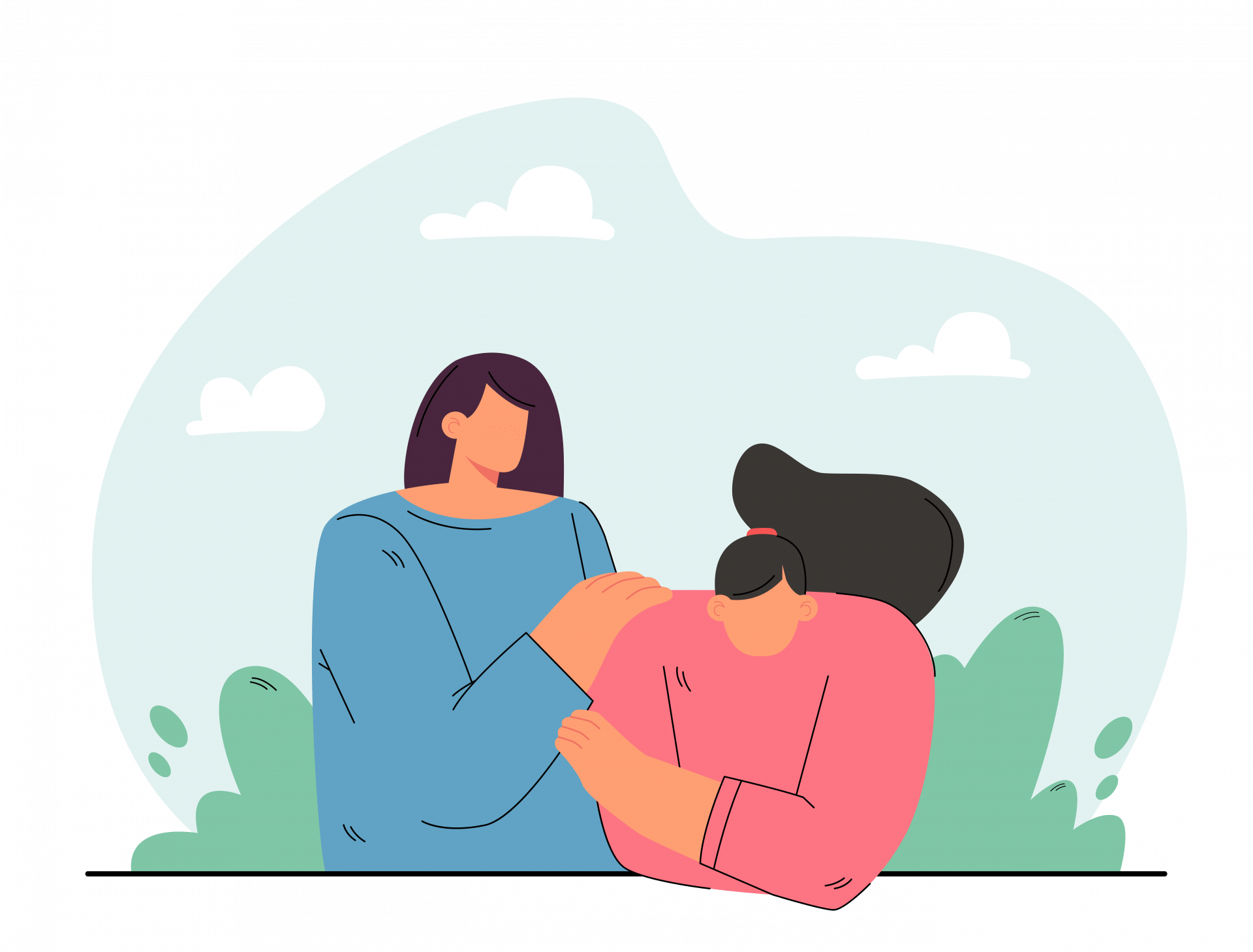
When I see someone being taken advantage of, I feel kind of protective toward them.
I try to look at everybody's side of a disagreement before I make a decision.
I'm often quite touched by the things that I see happen.
When I'm upset at someone, I usually try to "put myself in his shoes" for a while.
References
Davis, M. H. (1980). A multidimensional approach to individual differences in empathy. JSAS Catalog of Selected Documents in Psychology, 10, 85.
Davis, M. H. (1983). Measuring individual differences in empathy: Evidence for a multidimensional approach. Journal of Personality and Social Psychology, 44, 113–126.
#JustCheckingIn
Want to help or find out if someone is doing okay but not sure how?
Click on the banner to learn various tips on how to navigate these conversations with empathy and care..