

Climate Mitigation & Adaptation
Our Projects
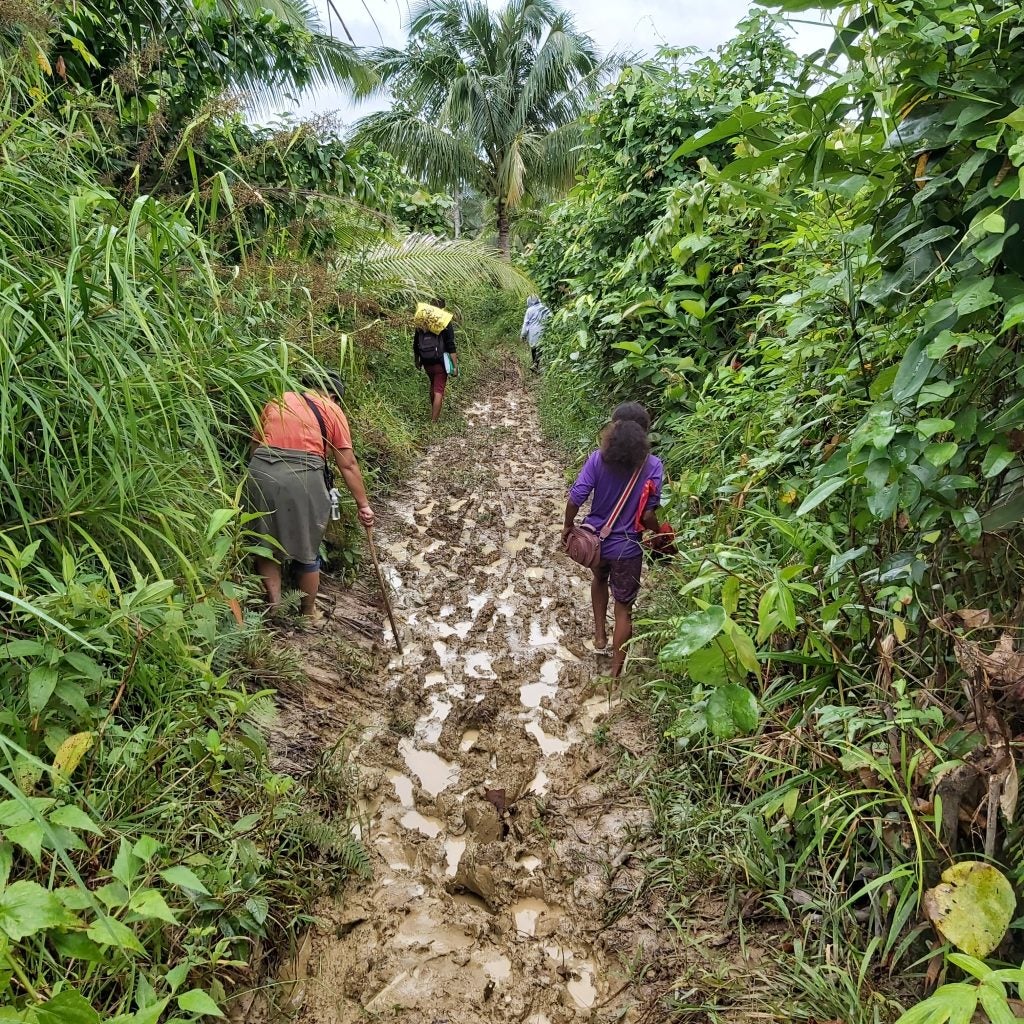

Malaria and climate modelling in Palawan, Philippines
Kimberly Fornace
Joyce Hu
This project applies spatio-temporal modelling to assess the impact of climate on malaria transmission in Palawan, the only province in the Philippines with sustained malaria transmission, with the goal of contributing to the development of a climate-driven early warning system that integrates environmental and climate variables to predict malaria risk and support proactive disease control strategies.
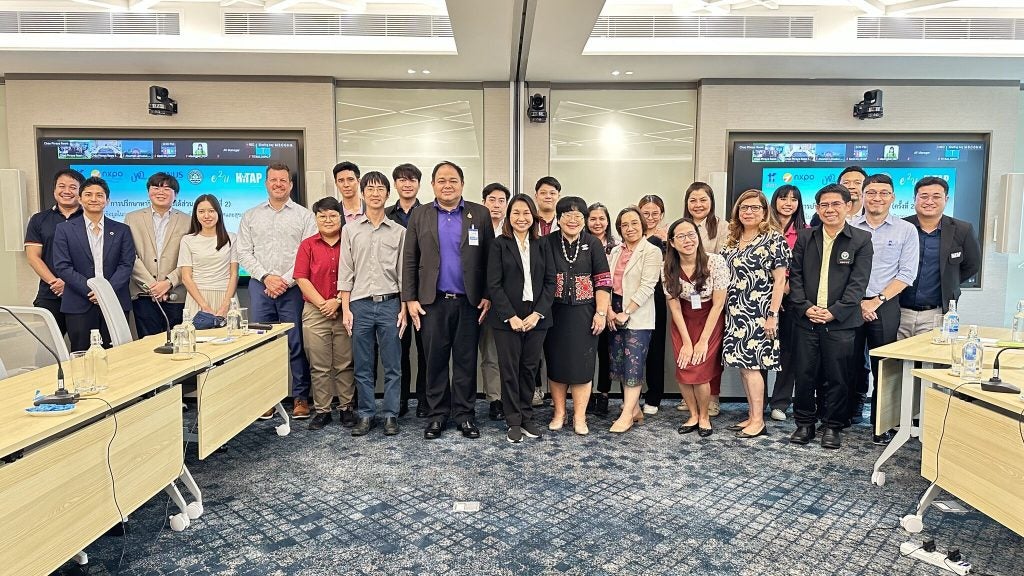
Thailand Climate and Health Policy: Health Intervention and Technology Assessment Program (HITAP)
Kimberly Fornace
Joyce Hu
Yann Felix Boucher
With HITAP, we will examine how climate and health data are used in cross-cutting policies and draw lessons from previously isolated, sector-specific policies. This approach will help to identify synergies and enhance coordination across health and climate policy frameworks, ultimately supporting more cohesive and effective policy action.
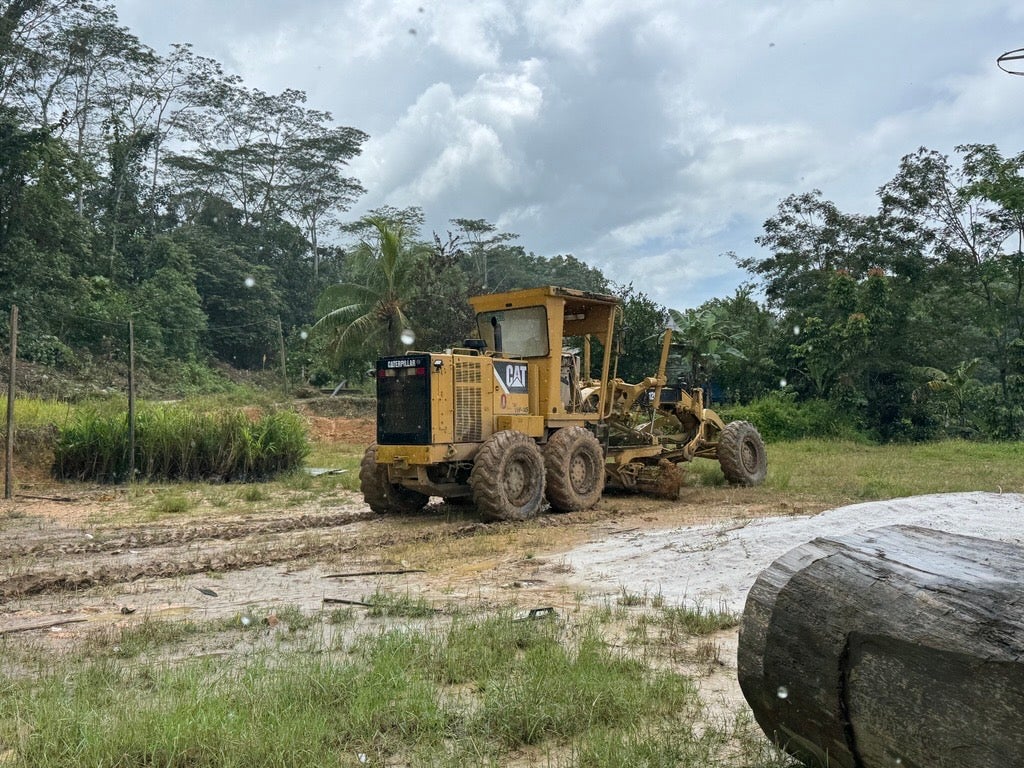
Malaria and dengue risks around the development of Indonesia’s new capital city
Abdullah Hasib
Swapnil Mishra
Kimberly Fornace
One of the most ambitious infrastructure projects in Southeast Asia is the relocation of the capital city of Indonesia from Jakarta to Kalimantan, Borneo. We will analyse historical data and conduct cross-sectional serological surveys to understand malaria and dengue risks around the development of IKN. Using mathematical models, we will explore how land use and climate data can be used to better target surveillance around new developments.
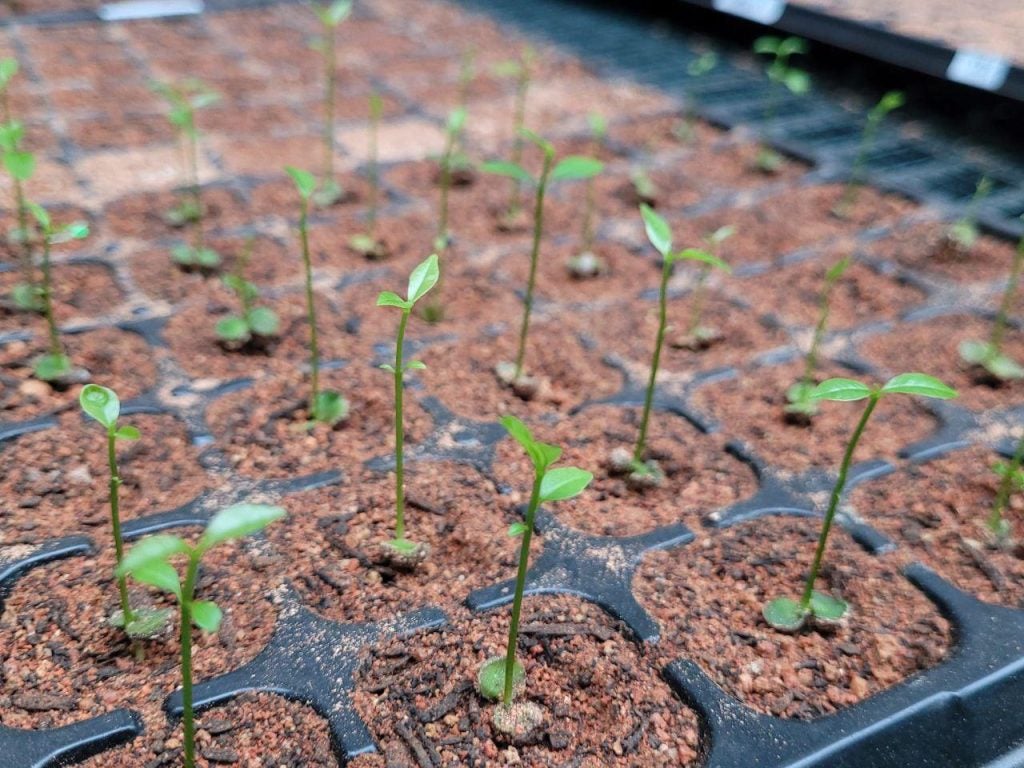
Multi-scale impacts of climate change on tropical forest dynamics in Singapore
Alicia Ong Xiang Ting
Singapore’s tropical forests will not be immune to the effects of climate change. Climate change will lead to long-term changes in precipitation and temperature, as well as the frequency of extreme weather events such as droughts or windstorms, with important implications on the physiology and demography of tree populations in our forests. This project examines the potential effects of climate change on species-, community-and ecosystem-level responses in Singapore’s forests, using a combination using seedling / sapling experiments, the development of vegetation models to evaluate the impact of climate-induced disturbances, and species distribution models to project which native species are most at risk to long-term changes in climate.

Conservation of Mangroves for Climate Resilience
Robyn Gwee
Mangroves offer a host of benefits such as protecting lives, supporting livelihoods and contributing to climate mitigation goals. Under climate change and future land-use changes, conservation strategies may need to be adapted to evolving pressures. My research focuses on quantifying benefits of mangroves, as well as assessing conservation strategies for mangrove ecosystems in the current and changing climate.

Scaling High-Integrity Natural Climate Solutions in the Voluntary Carbon Market: Challenges and Opportunities
Shakura Bashir
This project aims to assess the environmental and social integrity of natural climate solutions through an inter-disciplinary approach. Key topics include factors influencing carbon credit certification, monitoring of biodiversity outcomes as well as the effectiveness of benefit-sharing mechanisms for local communities.

Remote Sensing of Tropical Peatland Forests – Brunei
Maria Elizabeth Rodriguez Ronderos
This project aims to improve tropical forest peatland above-ground biomass estimations using traditional ground forest surveys, Terrestrial LiDAR scanning (TLS) and Drone LiDAR scanning (ULS). We further aim to understand the effects of human disturbance at the edge of peatland forests in Brunei, and the impacts on their geomorphology, ecology, biodiversity and biomass.

Charting the Future of High Forest Low Deforestation Jurisdictions
Steve Hoong Chen Teo
HFLD jurisdictions are vital as they contain some of the world’s last intact forests. However, these areas may experience increasing deforestation rates, which traditional carbon financing mechanisms based on historical baselines may not address adequately. In this project, we explore ways to improve HFLD crediting mechanisms to provide sufficient incentives for their protection while ensuring project integrity.
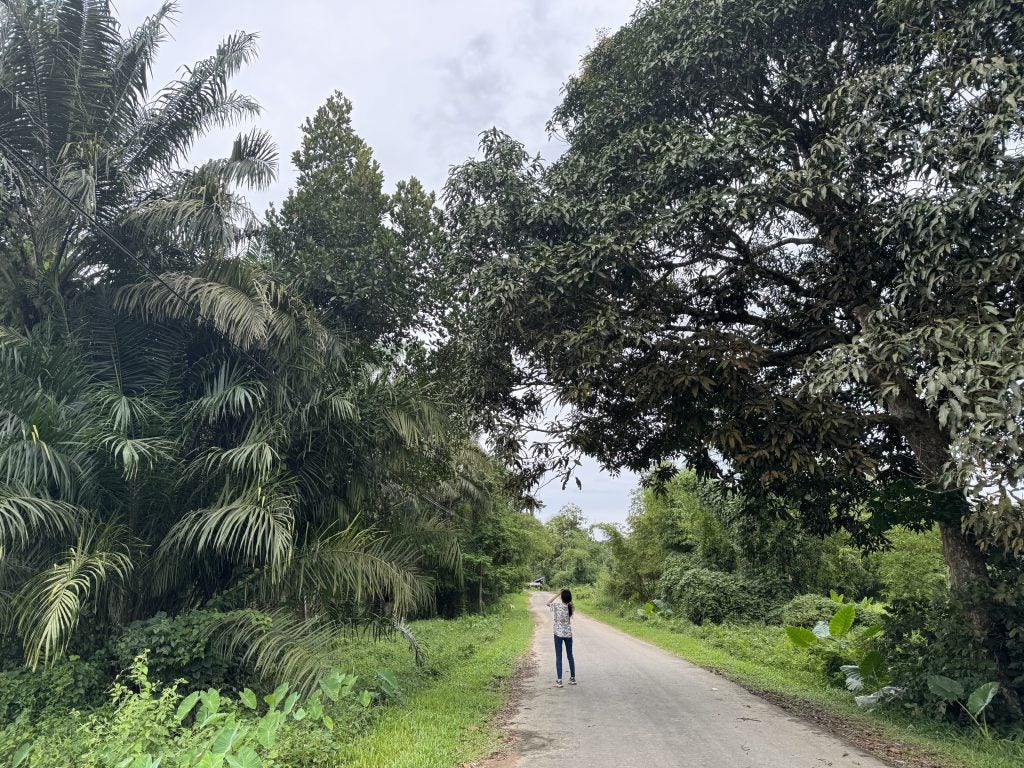
Pivoting forestry and agricultural concessions to conservation for a great forest transition
Annabel Lim Jia Yi
Forestry and agricultural concessions, such as those hosting logging activities or growing oil palm, are hotbeds of deforestation. Our research finds that surprisingly large swaths of natural forests are still standing within concessions, performing essential carbon storage services and supporting critical biodiversity. Through economic viability analyses, we further demonstrate that many of these otherwise highly threatened forests can be protected with green finance, representing a promising pathway for concessionaires to transition their lands towards nature conservation and climate action.