
Applied Ecology & Conservation Lab
Our Projects


Scaling High-Integrity Natural Climate Solutions in the Voluntary Carbon Market: Challenges and Opportunities
Shakura Bashir
This project aims to assess the environmental and social integrity of natural climate solutions through an inter-disciplinary approach. Key topics include factors influencing carbon credit certification, monitoring of biodiversity outcomes as well as the effectiveness of benefit-sharing mechanisms for local communities.

Charting the Future of High Forest Low Deforestation Jurisdictions
Steve Hoong Chen Teo
HFLD jurisdictions are vital as they contain some of the world’s last intact forests. However, these areas may experience increasing deforestation rates, which traditional carbon financing mechanisms based on historical baselines may not address adequately. In this project, we explore ways to improve HFLD crediting mechanisms to provide sufficient incentives for their protection while ensuring project integrity.
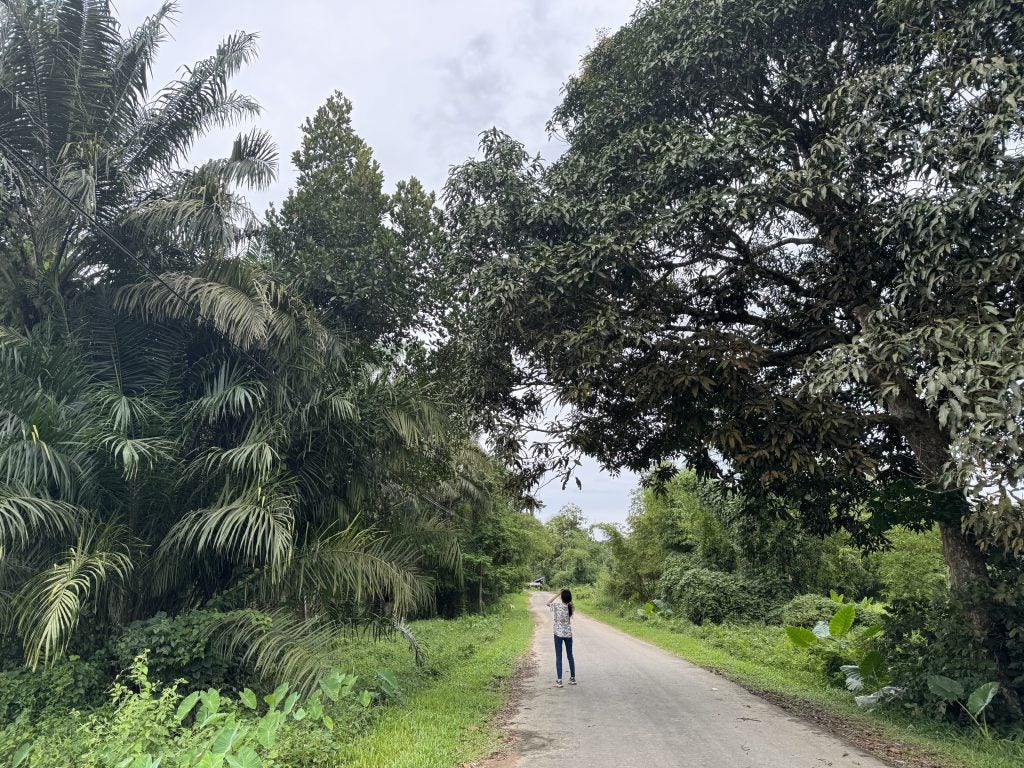
Pivoting forestry and agricultural concessions to conservation for a great forest transition
Annabel Lim Jia Yi
Forestry and agricultural concessions, such as those hosting logging activities or growing oil palm, are hotbeds of deforestation. Our research finds that surprisingly large swaths of natural forests are still standing within concessions, performing essential carbon storage services and supporting critical biodiversity. Through economic viability analyses, we further demonstrate that many of these otherwise highly threatened forests can be protected with green finance, representing a promising pathway for concessionaires to transition their lands towards nature conservation and climate action.

Bacterial pathogens in seagrass meadows
Debby Ng
[More on her work]
Does higher bacterial diversity mean healthy seas? Seagrasses are marine plants known for their ability to reduce bacterial pathogens. I investigate if these underwater grasslands keep coastlines healthy by maintaining high microbial diversity in the seawater.
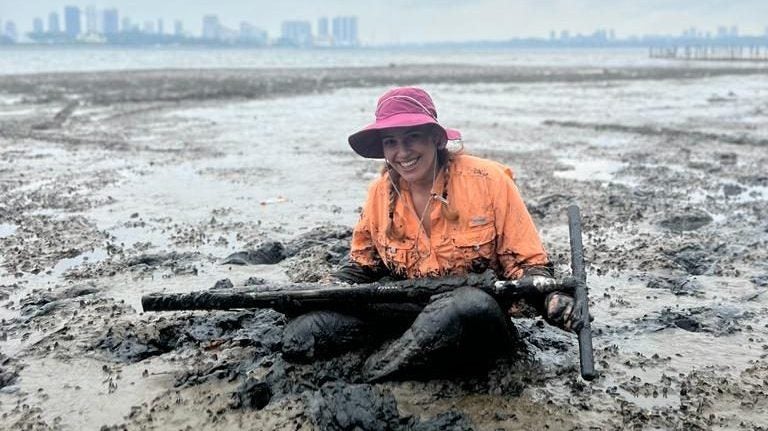
More than Mud: Unveiling the Ecosystem Services of Tidal Flats through a Transdisciplinary Approach
Yasmine Gatt
This project underscores the significance of tidal flats through a three-pronged approach. First, it assigns a monetary value to their ecosystem services; second, it quantifies their carbon storage potential and assesses their status as blue carbon ecosystems; and third, it evaluates how their cultural services contribute to human well-being.
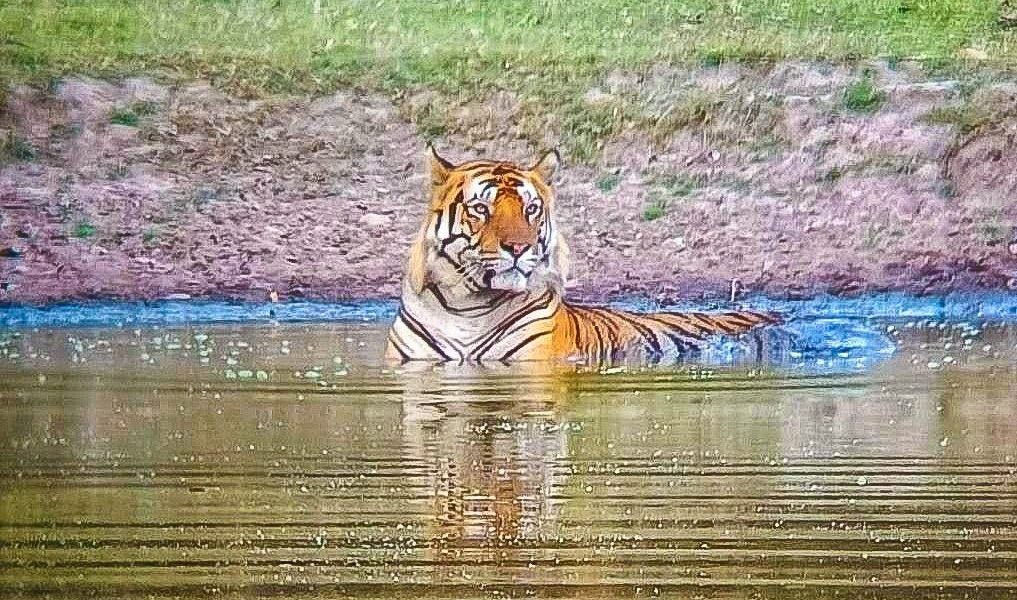
Climate co-benefits of tiger conservation in India
Aakash Lamba
This project aims to provide empirical evidence for the climate benefits of a primarily biodiversity-focused conservation intervention by using tiger conservation in India as a model. We found that enhanced species focused conservation led to over 93$ million USD in climate regulation services in India over the study period. Link to the study here. Media features: https://www.straitstimes.com/singapore/tiger-conservation-in-india-saved-at-least-one-million-tonnes-of-co2-from-being-emitted-study https://timesofindia.indiatimes.com/india/tiger-conservation-efforts-bring-carbon-benefits-worth-rs-769-crore/articleshow/100924231.cms https://abcnews.go.com/US/tiger-conservation-india-helping-mitigate-climate-change/story?id=99567912
Carbon Market Integrity R&D Programme Singapore (CISG)
Renee Lorica
CISG team
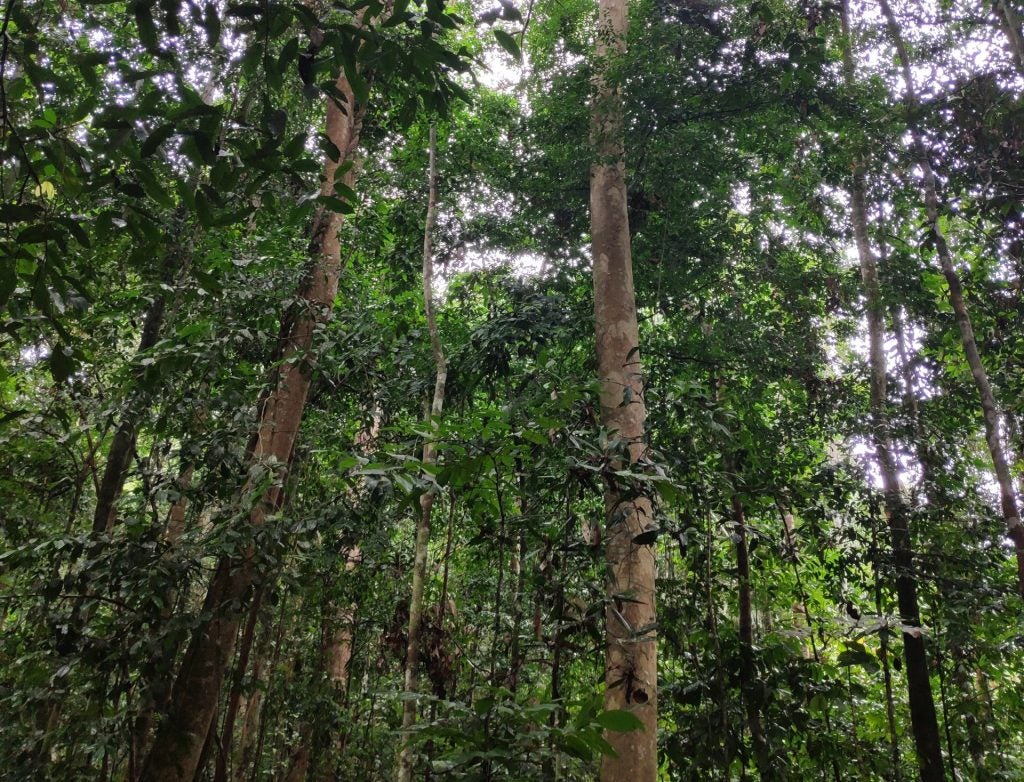
Carbon Integrity SG is a research programme funded by the Singaporean government with a mission is to develop and strengthen capabilities in the accounting, monitoring, and quality assurance of nature-based carbon projects across Southeast Asia.

Adaptation: Understanding the Opportunities and Constraints of Green-Grey Infrastructure for Climate and Societal Benefits
Daisuke Taira
This project aims to develop a regional framework to understand risks to near-shore human development and assess the opportunity of mangrove green and green-grey solutions in Southeast Asia as the climate change adaptation strategies.

NUS-Temasek Blue Carbon Project
Naima Iram
Muhammad Ariq Khalingga
This is a regional blue carbon project that aims to quantify robust and defensible blue carbon budgets of mangroves and seagrasses across Southeast Asia by 1) laboratory experiments & in-situ carbon stocks and flux measurements, 2) by using advanced technology to improve the reporting, monitoring and verification protocols and 3) capacity building in blue carbon science.