

Plant Ecology, Evolution and Biogeography Lab
Our Projects
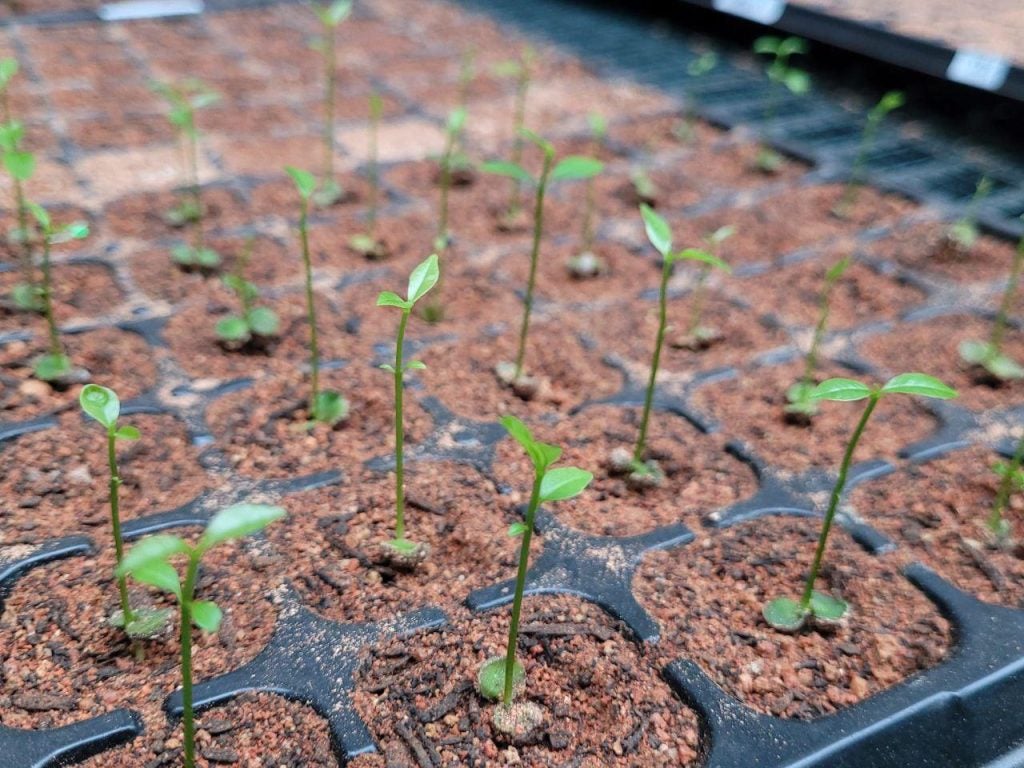

Multi-scale impacts of climate change on tropical forest dynamics in Singapore
Alicia Ong Xiang Ting
Singapore’s tropical forests will not be immune to the effects of climate change. Climate change will lead to long-term changes in precipitation and temperature, as well as the frequency of extreme weather events such as droughts or windstorms, with important implications on the physiology and demography of tree populations in our forests. This project examines the potential effects of climate change on species-, community-and ecosystem-level responses in Singapore’s forests, using a combination using seedling / sapling experiments, the development of vegetation models to evaluate the impact of climate-induced disturbances, and species distribution models to project which native species are most at risk to long-term changes in climate.

The Biodiversity of Tropical Asia: evolution, gaps and threats
Charles Marsh
The Asian tropics are exceptionally biodiverse and exhibit high levels of endemism, shaped by the vast and dynamic biophysical theatre in its many landmasses and islands. Its biota, however, is threatened by immense, varied and persistent pressures in an increasingly populous part of the world. This project aims to review and synthesise the current state of biodiversity and biodiversity research in the region for a range of terrestrial, freshwater and marine organisms, including patterns of endemism, rates of species discovery, spatiotemporal biases in biodiversity data and the magnitude of threats that species face across the region.

Quantifying the impact of seed dispersal failure on forest biodiversity across the world’s tropics
Liang Hanci
Sim Hong Jhun
Animals play important roles as seed dispersers in tropical forest ecosystems and so the pervasive decline of animal populations (“defaunation”) will lead to cascading effects on tree populations, ecosystem structure and carbon storage. However, predicting the impacts of defaunation on seed dispersal failure remains a challenge due to the paucity of ecological interaction information globally. This project aims to fill these gaps through the development of a global database of seed dispersal information and machine learning interaction models.
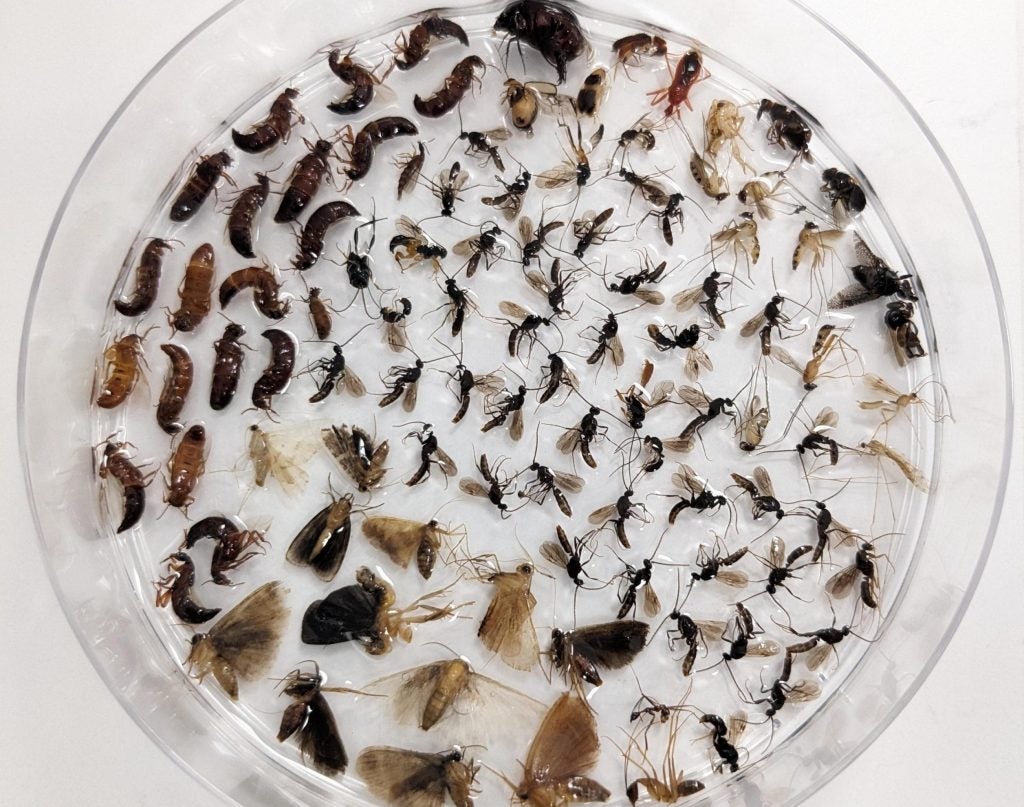
Establishing an ecological baseline for Singapore’s forest insect communities
Angelica See
Insect declines in abundance have been documented across a variety of ecosystems. In highly urbanised Singapore, the long-term impact of land use change on insect communities is expected to be large but is relatively poorly known, due to lack of quantitative and standardised ecological baselines and the immense diversity of many insect groups, making traditional taxonomic identification methods insufficiently scalable for broader ecological studies. This project aims to establish a network of insect sampling sites that will leverage newly established national long-term forest ecosystem monitoring programmes, and the development of DNA-based methodologies for rapid characterisation of ecological communities.