

Ecosystem, Climate and Health Observatory
Our Projects
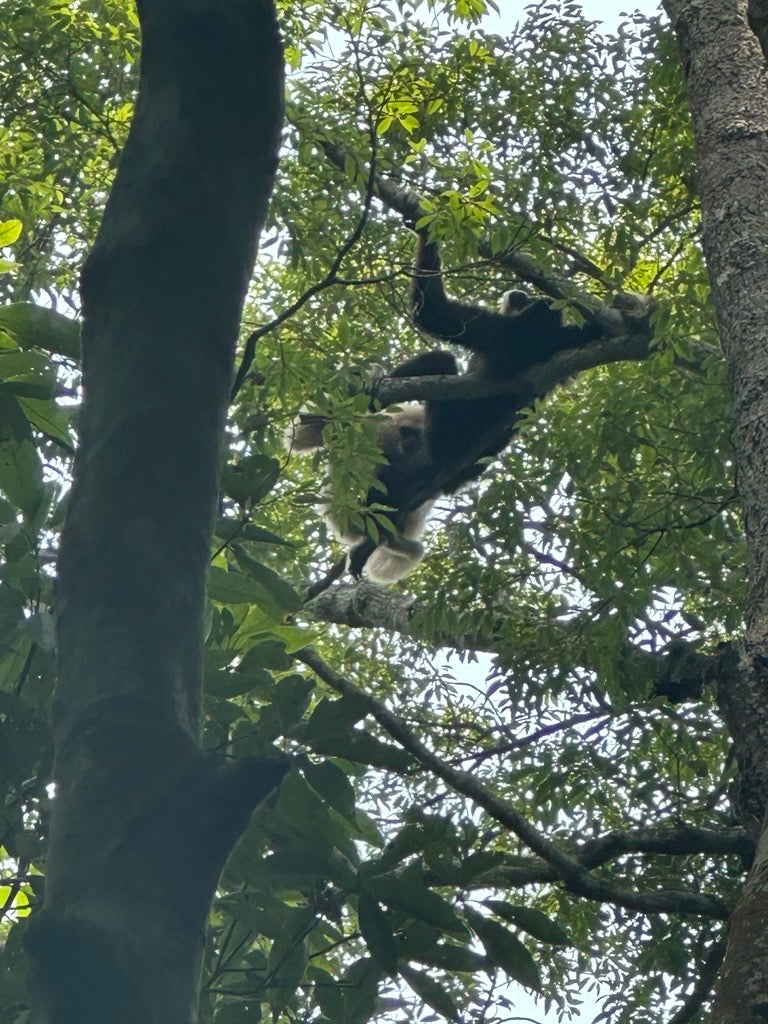

Modelling Simian malaria disease dynamics in Saraburi, Thailand to inform surveillance strategies for emerging zoonotic diseases
Natcha Dankittipong
Kimberly Fornace
Zoonotic malaria caused by Plasmodium knowlesi is spreading across Southeast Asia, yet we still know little about how the disease moves between macaques, mosquitoes, and humans. This project aims to uncover those connections by developing a mathematical model that links these three hosts in central Thailand. Drawing on existing data and 10 months of field surveys tracking macaque movements and human behaviour, the model will explore when and where transmission is most likely to occur. By simulating different ecological and behavioural scenarios, it will shed light on how spillover happens and help shape One Health strategies for early detection and prevention of emerging malaria threats.
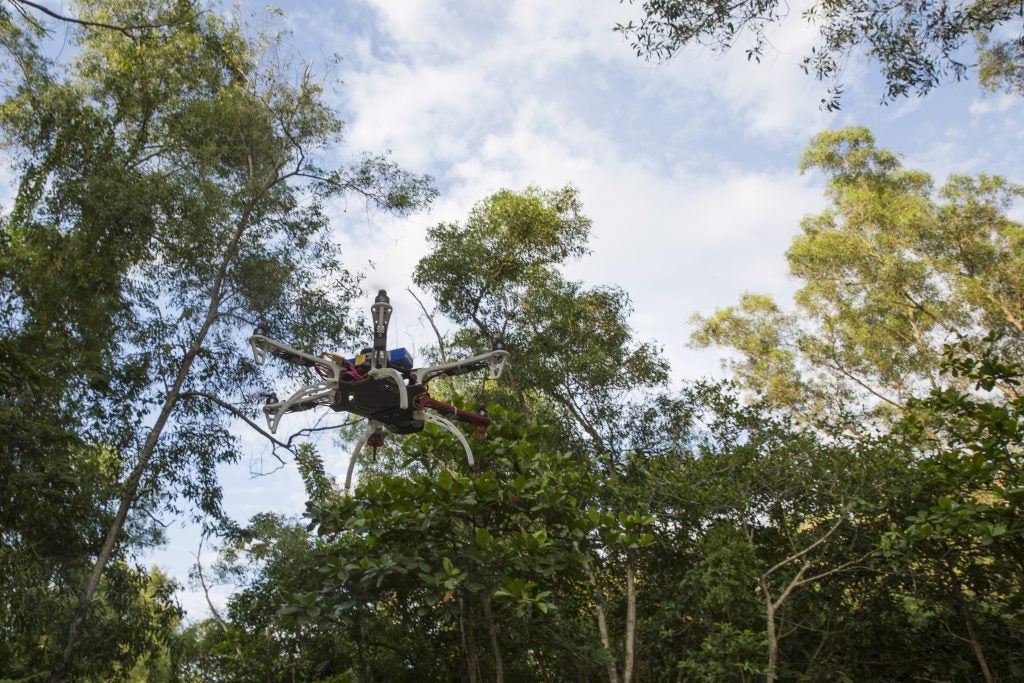
Earth Observation data for Malaria Surveillance
Kimberly Fornace
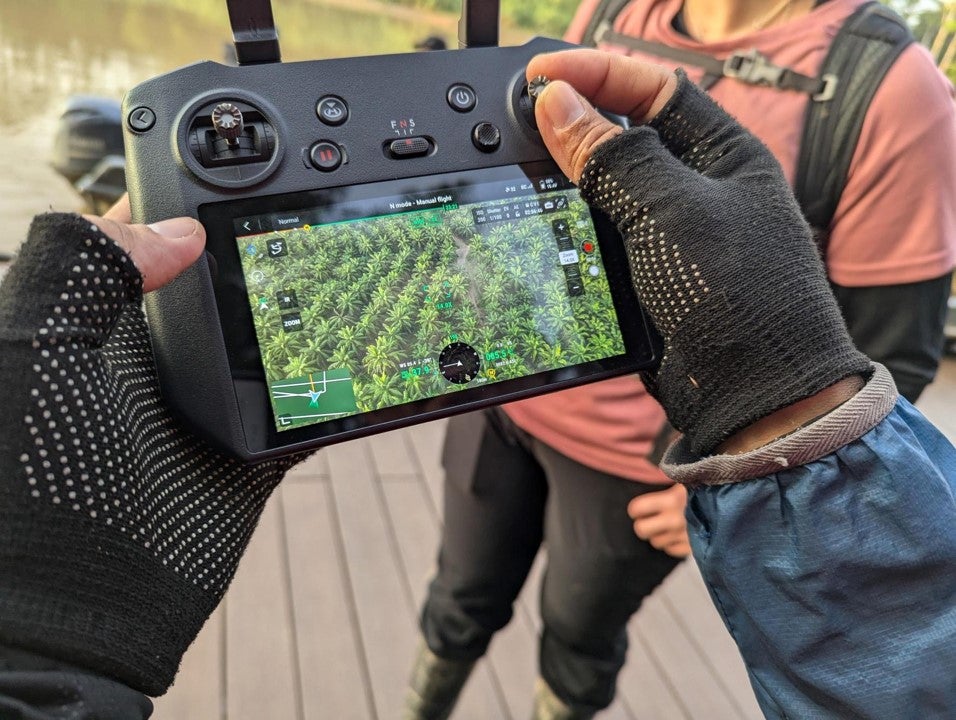
This project uses drone and satellite-based Earth Observation data to guide malaria surveillance across different contexts, exploring new approaches for machine learning and image processing.
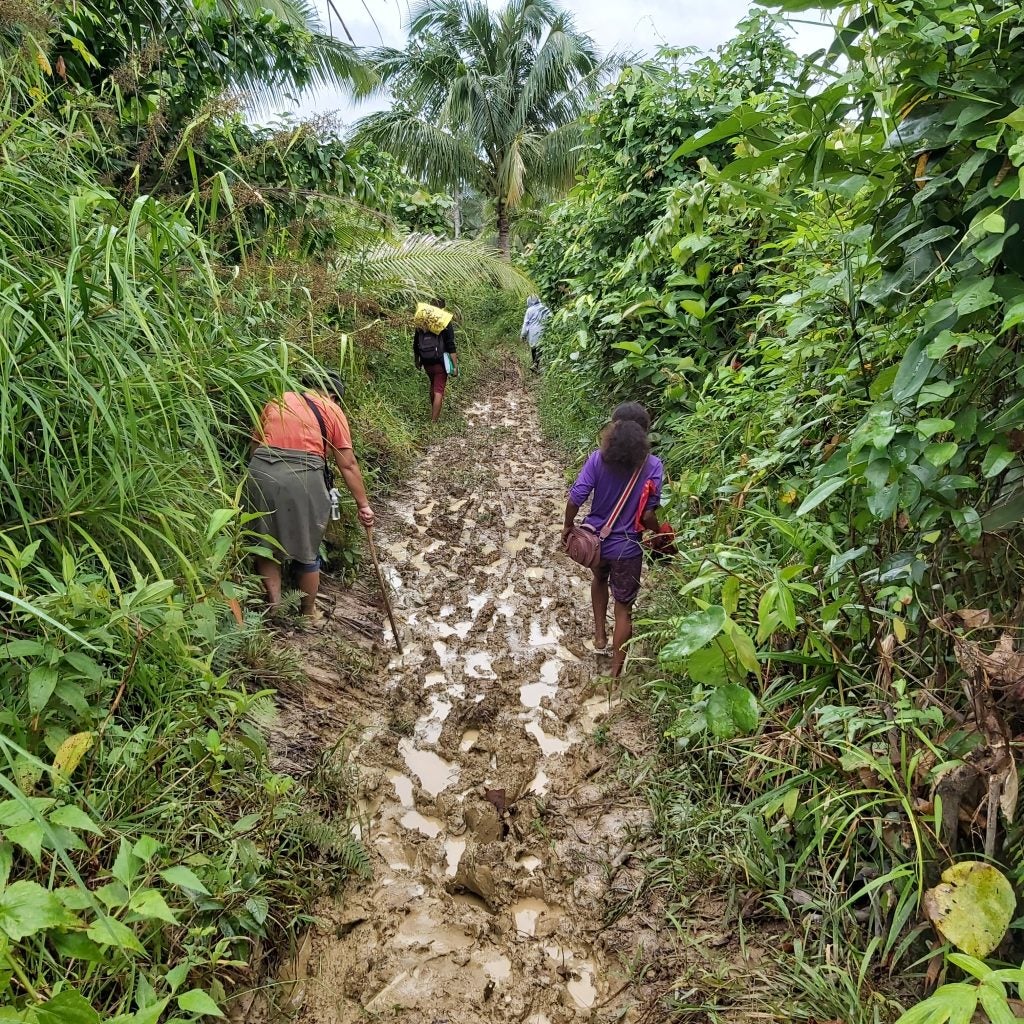
Malaria and climate modelling in Palawan, Philippines
Kimberly Fornace
Joyce Hu
This project applies spatio-temporal modelling to assess the impact of climate on malaria transmission in Palawan, the only province in the Philippines with sustained malaria transmission, with the goal of contributing to the development of a climate-driven early warning system that integrates environmental and climate variables to predict malaria risk and support proactive disease control strategies.
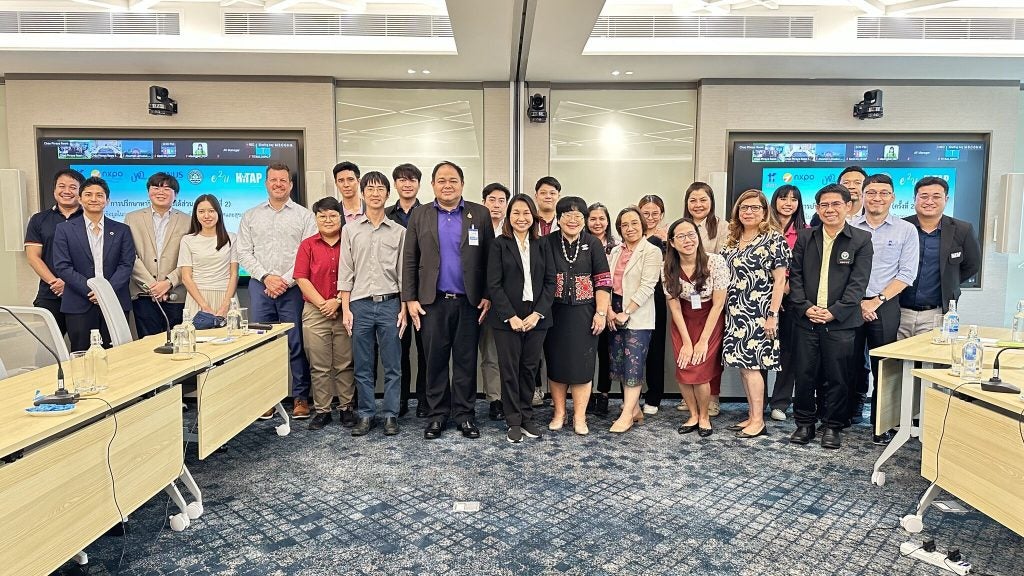
Thailand Climate and Health Policy: Health Intervention and Technology Assessment Program (HITAP)
Kimberly Fornace
Joyce Hu
Yann Felix Boucher
With HITAP, we will examine how climate and health data are used in cross-cutting policies and draw lessons from previously isolated, sector-specific policies. This approach will help to identify synergies and enhance coordination across health and climate policy frameworks, ultimately supporting more cohesive and effective policy action.
Malaria and dengue risks around the development of Indonesia’s new capital city
Abdullah Hasib
Swapnil Mishra
Kimberly Fornace
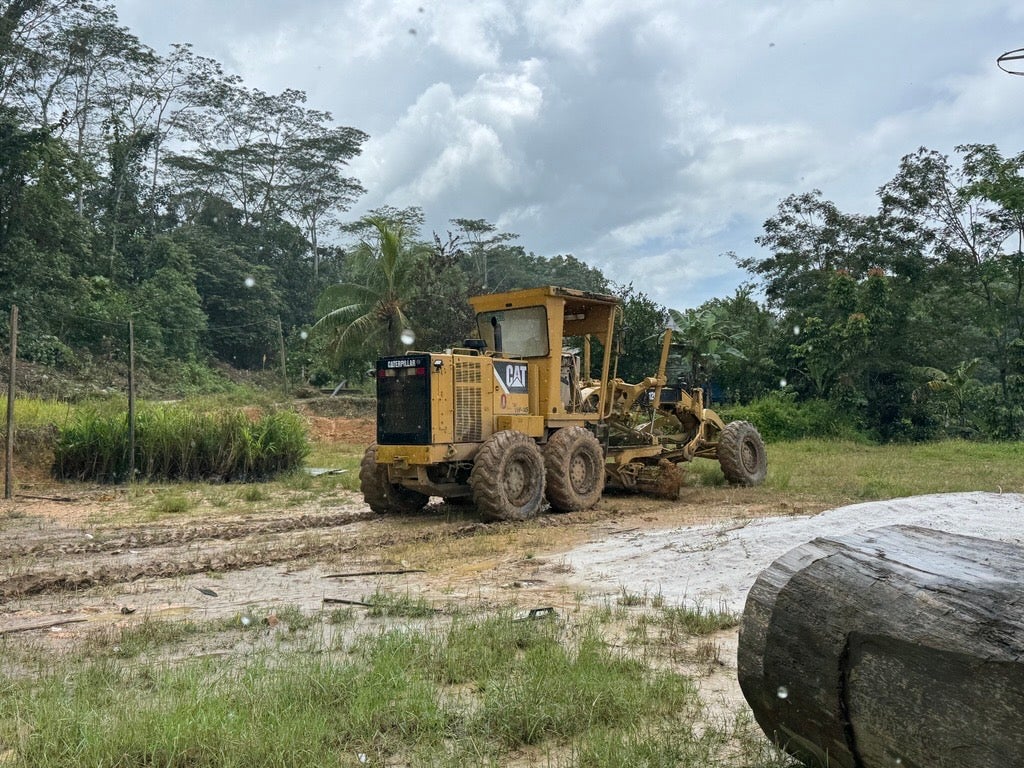
One of the most ambitious infrastructure projects in Southeast Asia is the relocation of the capital city of Indonesia from Jakarta to Kalimantan, Borneo. We will analyse historical data and conduct cross-sectional serological surveys to understand malaria and dengue risks around the development of IKN. Using mathematical models, we will explore how land use and climate data can be used to better target surveillance around new developments.
Land cover change and transmission of Ebola Virus and other zoonotic pathogens in Macenta, Guinea: integrating spatial and serological data to detect spillover risks
Chelsea Baker
Kimberly Fornace
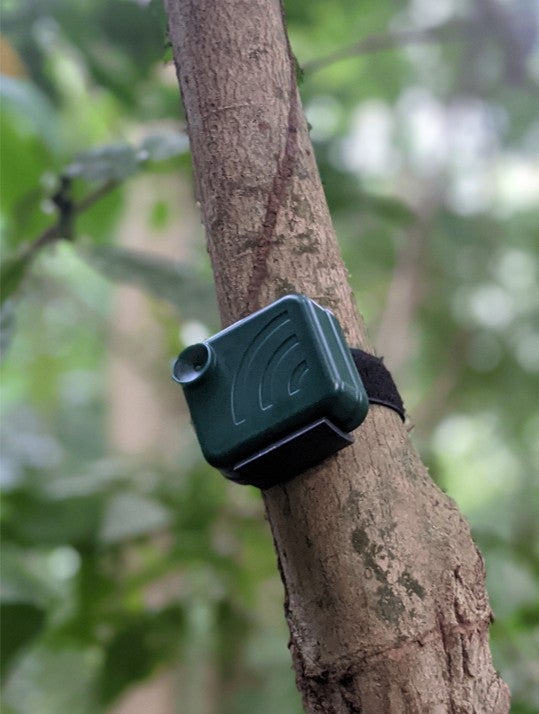
In this project, we engage with local communities to obtain various types of data, including laboratory analysis of collected blood samples, location tracking, and demographic and lifestyle information. By integrating these data with those collected from detailed ecological studies, we aim to examine how landscape, social factors, and contact with wildlife influence pathogen spillover and transmission. Understanding where and when these cross-species transmission events occur can provide new opportunities for disease surveillance and can inform land management strategies that reduce pandemic risks.
Climate Impact Science Research Project (CISR) : Acoustic monitoring and macaques
Shri Lak Nanjan Chandran
Kimberly Fornace
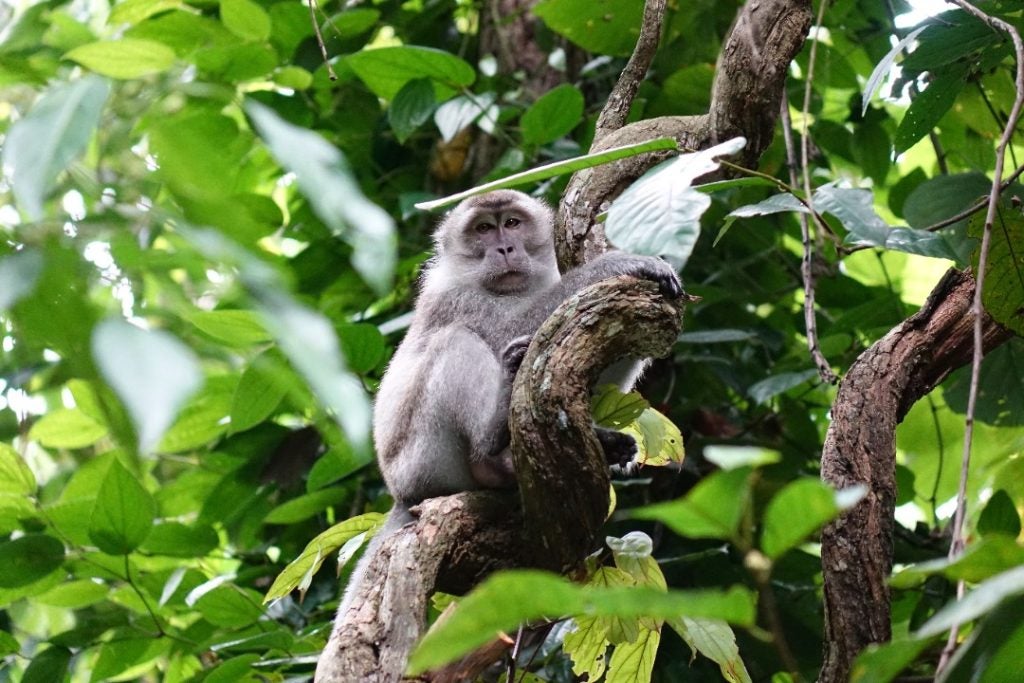
The acoustic monitoring portion of the CISR project aims to monitor the distribution of potential wildlife hosts in Singapore, targeting long-tailed macaques (Macaca fascicularis), as well as human distribution across green spaces, during key mosquito biting times. For this, a network of acoustic monitors designed to passively collect audio recordings will be deployed across Singapore’s national parks and green spaces.
Microclimate and mosquitoes
Natcha Dankittipong
Shri Lak Nanjan Chandran
Kimberly Fornace
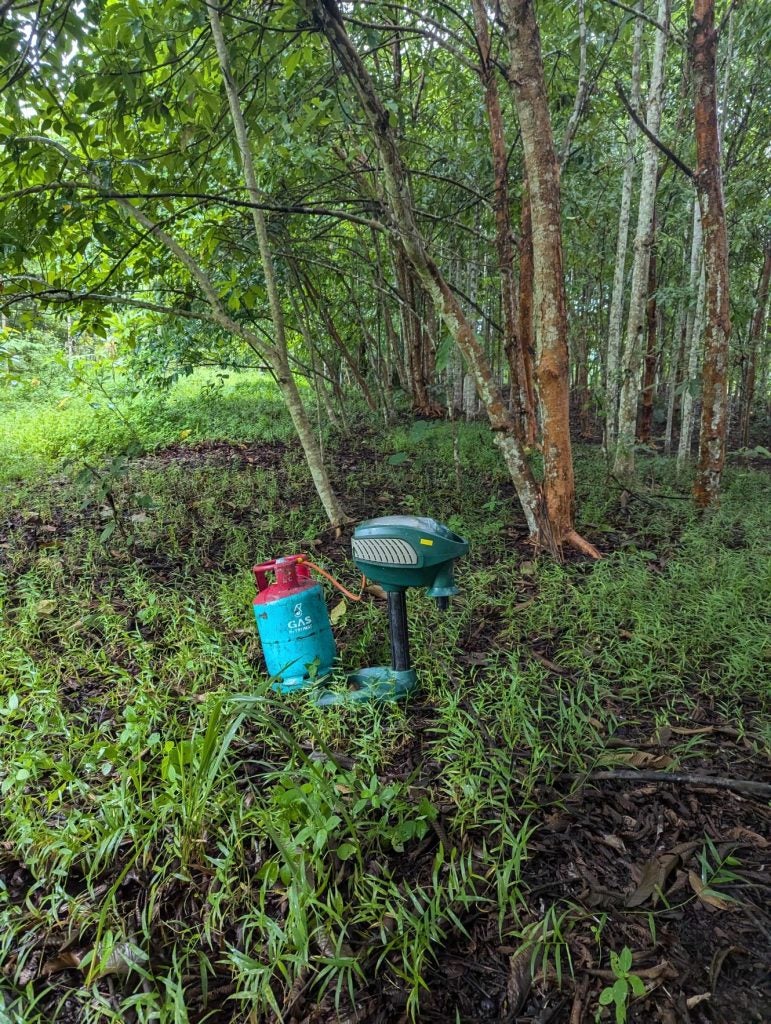
The microclimate project aims to generate realistic and site-specific climate information across different landscapes by combining physical modelling (microclimate models) with field-based observations from microclimate loggers. To achieve this, we have deployed numerous microclimate loggers across Singapore and other parts of Southeast Asia to obtain detailed environmental data. The climate data will be linked to models of mosquito population dynamics, which integrate both field-collected mosquito abundance data and mathematical modelling.
SENSOR: Socioecological dynamics of zoonotic and vector-borne diseases in changing landscapes
Kimberly Fornace
Jun-Sik Lim
Joyce Hu
Landscape changes, such as deforestation, can increase the spread of infectious diseases between people, wildlife, and insects. Focusing on Southeast Asia, we conduct field studies to collect data on how people, animals, and environments interact. We then use this data to build mathematical models to understand how landscape changes disrupt social, biological, and environmental systems, creating new pathways for disease spread.