

Biodiversity Conservation
Our Projects


Listening to the ecological heartbeat of the rainforest: Bioacoustics for monitoring of biodiversity to answer ecological questions
Sean Yap
“If a tree falls in a forest and no one is around to hear it, does it make a sound?” ~ Traditional biodiversity surveys are time-consuming, labor-intensive, and prone to human error—plus, human presence can disrupt wildlife. Bioacoustic recorders, paired with AI, offer a faster, less invasive way to monitor vocal animals. We use this technology to explore applied ecological questions, such as how human-made noise impacts vocal animal communities and how effective native reforestation efforts are. View some snaps of us in the field here.

The Biodiversity of Tropical Asia: evolution, gaps and threats
Charles Marsh
The Asian tropics are exceptionally biodiverse and exhibit high levels of endemism, shaped by the vast and dynamic biophysical theatre in its many landmasses and islands. Its biota, however, is threatened by immense, varied and persistent pressures in an increasingly populous part of the world. This project aims to review and synthesise the current state of biodiversity and biodiversity research in the region for a range of terrestrial, freshwater and marine organisms, including patterns of endemism, rates of species discovery, spatiotemporal biases in biodiversity data and the magnitude of threats that species face across the region.

Scaling High-Integrity Natural Climate Solutions in the Voluntary Carbon Market: Challenges and Opportunities
Shakura Bashir
This project aims to assess the environmental and social integrity of natural climate solutions through an inter-disciplinary approach. Key topics include factors influencing carbon credit certification, monitoring of biodiversity outcomes as well as the effectiveness of benefit-sharing mechanisms for local communities.

Remote Sensing of Tropical Peatland Forests – Brunei
Maria Elizabeth Rodriguez Ronderos
This project aims to improve tropical forest peatland above-ground biomass estimations using traditional ground forest surveys, Terrestrial LiDAR scanning (TLS) and Drone LiDAR scanning (ULS). We further aim to understand the effects of human disturbance at the edge of peatland forests in Brunei, and the impacts on their geomorphology, ecology, biodiversity and biomass.

Quantifying the impact of seed dispersal failure on forest biodiversity across the world’s tropics
Liang Hanci
Sim Hong Jhun
Animals play important roles as seed dispersers in tropical forest ecosystems and so the pervasive decline of animal populations (“defaunation”) will lead to cascading effects on tree populations, ecosystem structure and carbon storage. However, predicting the impacts of defaunation on seed dispersal failure remains a challenge due to the paucity of ecological interaction information globally. This project aims to fill these gaps through the development of a global database of seed dispersal information and machine learning interaction models.
Establishing an ecological baseline for Singapore’s forest insect communities
Angelica See
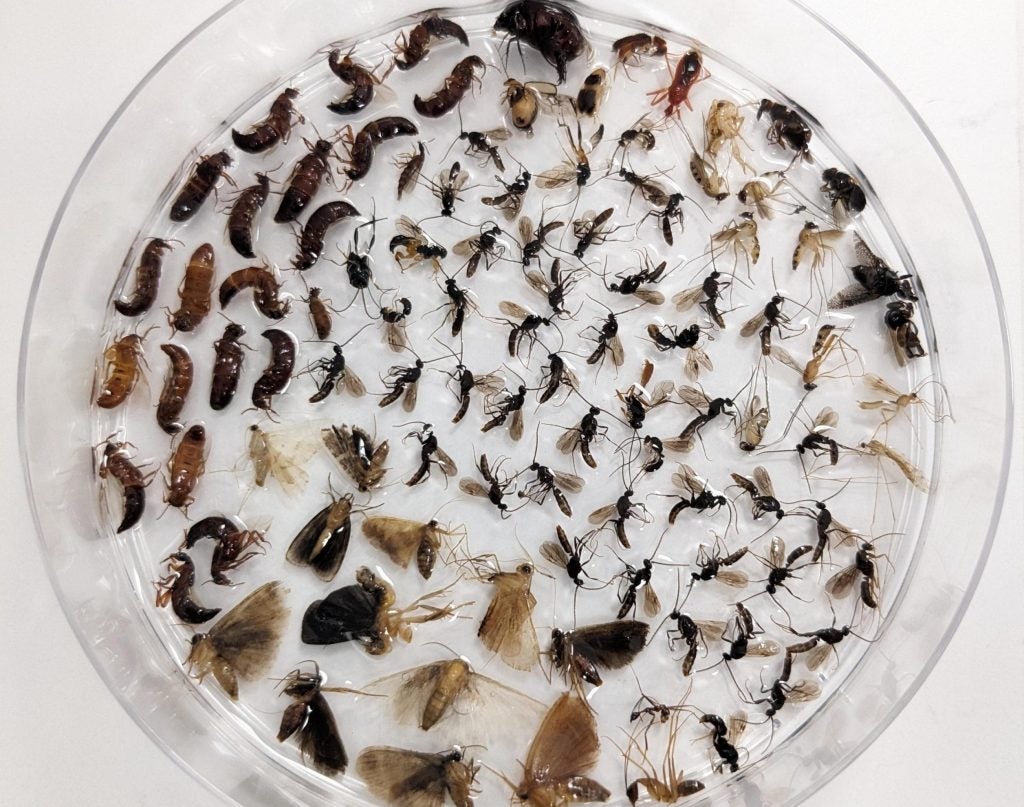
Insect declines in abundance have been documented across a variety of ecosystems. In highly urbanised Singapore, the long-term impact of land use change on insect communities is expected to be large but is relatively poorly known, due to lack of quantitative and standardised ecological baselines and the immense diversity of many insect groups, making traditional taxonomic identification methods insufficiently scalable for broader ecological studies. This project aims to establish a network of insect sampling sites that will leverage newly established national long-term forest ecosystem monitoring programmes, and the development of DNA-based methodologies for rapid characterisation of ecological communities.
Pivoting forestry and agricultural concessions to conservation for a great forest transition
Annabel Lim Jia Yi
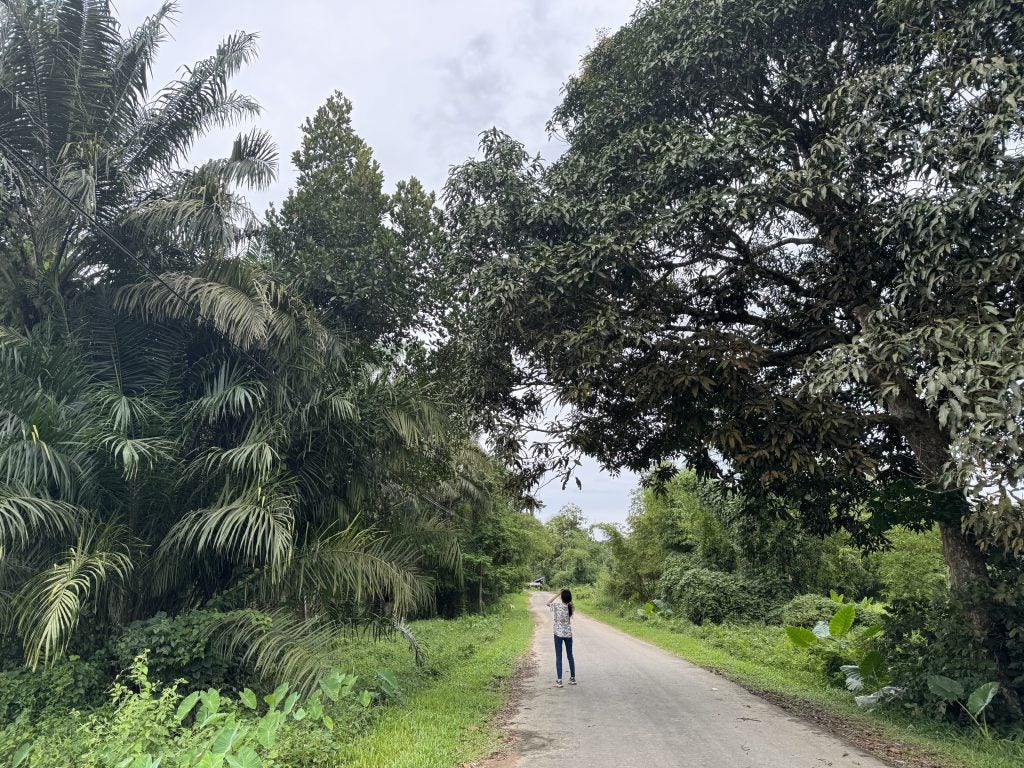
Forestry and agricultural concessions, such as those hosting logging activities or growing oil palm, are hotbeds of deforestation. Our research finds that surprisingly large swaths of natural forests are still standing within concessions, performing essential carbon storage services and supporting critical biodiversity. Through economic viability analyses, we further demonstrate that many of these otherwise highly threatened forests can be protected with green finance, representing a promising pathway for concessionaires to transition their lands towards nature conservation and climate action.

Bacterial pathogens in seagrass meadows
Debby Ng
[More on her work]
Does higher bacterial diversity mean healthy seas? Seagrasses are marine plants known for their ability to reduce bacterial pathogens. I investigate if these underwater grasslands keep coastlines healthy by maintaining high microbial diversity in the seawater.

Climate co-benefits of tiger conservation in India
Aakash Lamba
This project aims to provide empirical evidence for the climate benefits of a primarily biodiversity-focused conservation intervention by using tiger conservation in India as a model. We found that enhanced species focused conservation led to over 93$ million USD in climate regulation services in India over the study period. Link to the study here. Media features: https://www.straitstimes.com/singapore/tiger-conservation-in-india-saved-at-least-one-million-tonnes-of-co2-from-being-emitted-study https://timesofindia.indiatimes.com/india/tiger-conservation-efforts-bring-carbon-benefits-worth-rs-769-crore/articleshow/100924231.cms https://abcnews.go.com/US/tiger-conservation-india-helping-mitigate-climate-change/story?id=99567912