

Applied Ecology and Biology
Our Projects


Quantifying the impact of seed dispersal failure on forest biodiversity across the world’s tropics
Liang Hanci
Sim Hong Jhun
Animals play important roles as seed dispersers in tropical forest ecosystems and so the pervasive decline of animal populations (“defaunation”) will lead to cascading effects on tree populations, ecosystem structure and carbon storage. However, predicting the impacts of defaunation on seed dispersal failure remains a challenge due to the paucity of ecological interaction information globally. This project aims to fill these gaps through the development of a global database of seed dispersal information and machine learning interaction models.
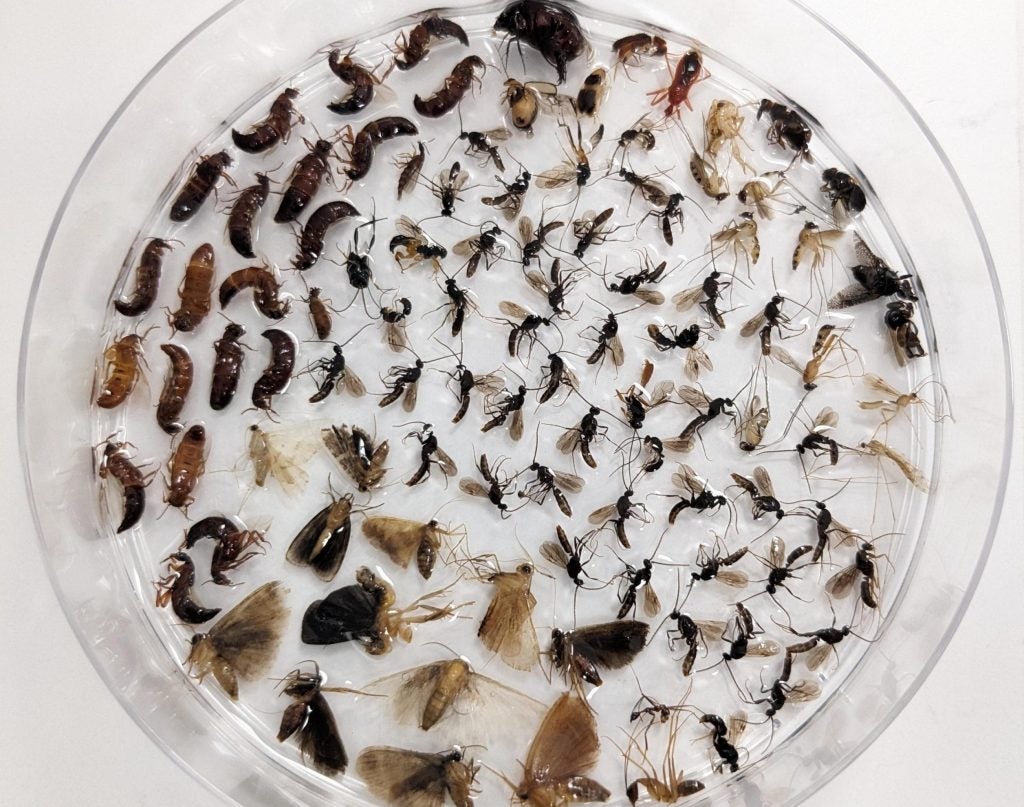
Establishing an ecological baseline for Singapore’s forest insect communities
Angelica See
Insect declines in abundance have been documented across a variety of ecosystems. In highly urbanised Singapore, the long-term impact of land use change on insect communities is expected to be large but is relatively poorly known, due to lack of quantitative and standardised ecological baselines and the immense diversity of many insect groups, making traditional taxonomic identification methods insufficiently scalable for broader ecological studies. This project aims to establish a network of insect sampling sites that will leverage newly established national long-term forest ecosystem monitoring programmes, and the development of DNA-based methodologies for rapid characterisation of ecological communities.

Bacterial pathogens in seagrass meadows
Debby Ng
[More on her work]
Does higher bacterial diversity mean healthy seas? Seagrasses are marine plants known for their ability to reduce bacterial pathogens. I investigate if these underwater grasslands keep coastlines healthy by maintaining high microbial diversity in the seawater.
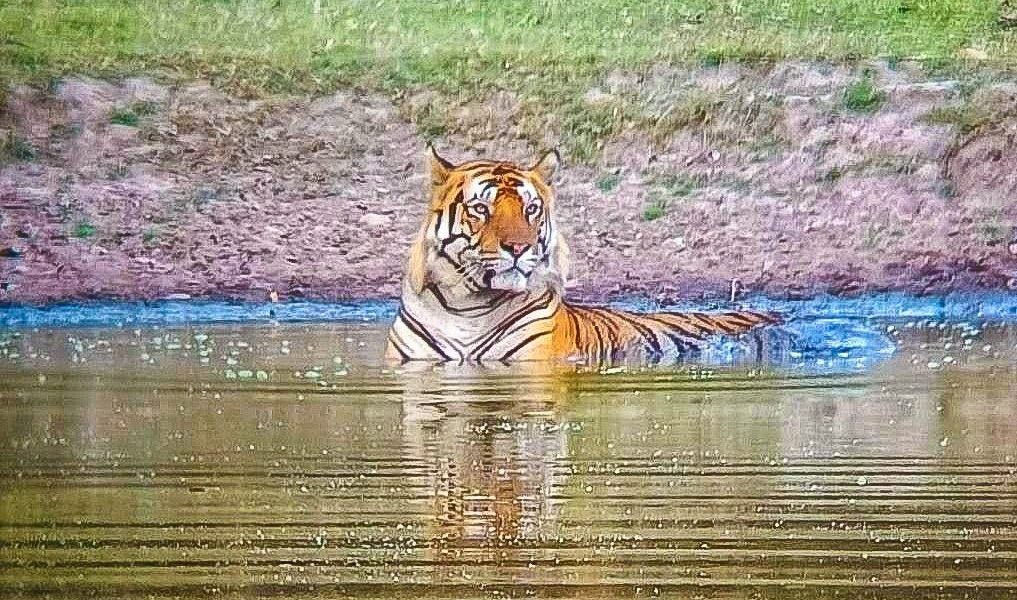
Climate co-benefits of tiger conservation in India
Aakash Lamba
This project aims to provide empirical evidence for the climate benefits of a primarily biodiversity-focused conservation intervention by using tiger conservation in India as a model. We found that enhanced species focused conservation led to over 93$ million USD in climate regulation services in India over the study period. Link to the study here. Media features: https://www.straitstimes.com/singapore/tiger-conservation-in-india-saved-at-least-one-million-tonnes-of-co2-from-being-emitted-study https://timesofindia.indiatimes.com/india/tiger-conservation-efforts-bring-carbon-benefits-worth-rs-769-crore/articleshow/100924231.cms https://abcnews.go.com/US/tiger-conservation-india-helping-mitigate-climate-change/story?id=99567912

Adaptation: Understanding the Opportunities and Constraints of Green-Grey Infrastructure for Climate and Societal Benefits
Daisuke Taira
This project aims to develop a regional framework to understand risks to near-shore human development and assess the opportunity of mangrove green and green-grey solutions in Southeast Asia as the climate change adaptation strategies.

NUS-Temasek Blue Carbon Project
Naima Iram
Muhammad Ariq Khalingga
This is a regional blue carbon project that aims to quantify robust and defensible blue carbon budgets of mangroves and seagrasses across Southeast Asia by 1) laboratory experiments & in-situ carbon stocks and flux measurements, 2) by using advanced technology to improve the reporting, monitoring and verification protocols and 3) capacity building in blue carbon science.