

Geospatial Science
Our Projects

Earth Observation data for Malaria Surveillance
Kimberly Fornace
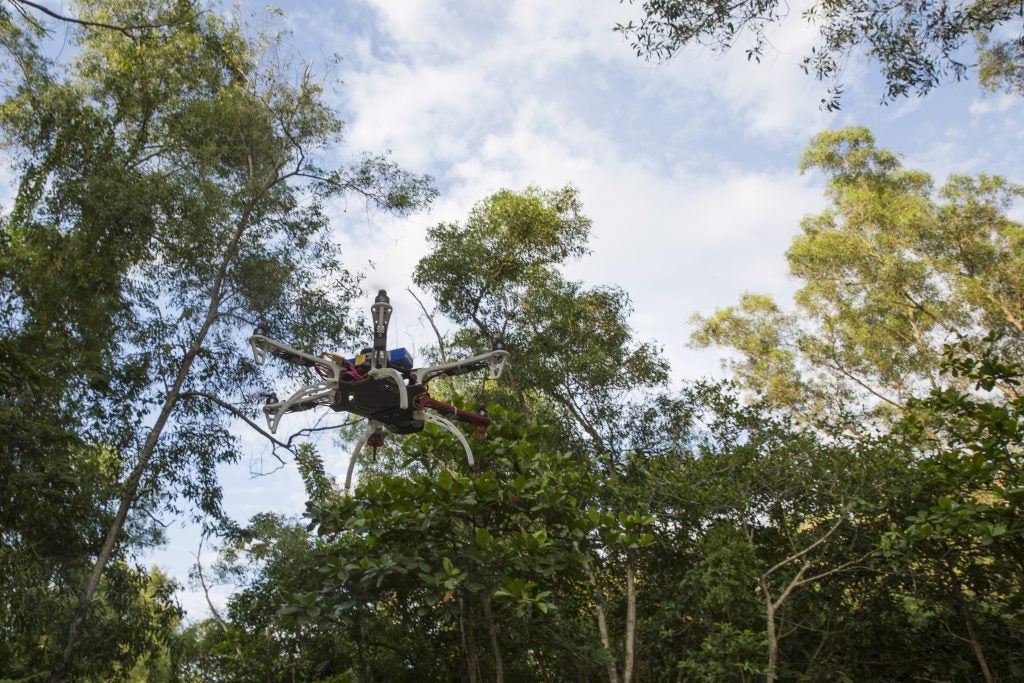
This project uses drone and satellite-based Earth Observation data to guide malaria surveillance across different contexts, exploring new approaches for machine learning and image processing.
Land cover change and transmission of Ebola Virus and other zoonotic pathogens in Macenta, Guinea: integrating spatial and serological data to detect spillover risks
Chelsea Baker
Kimberly Fornace
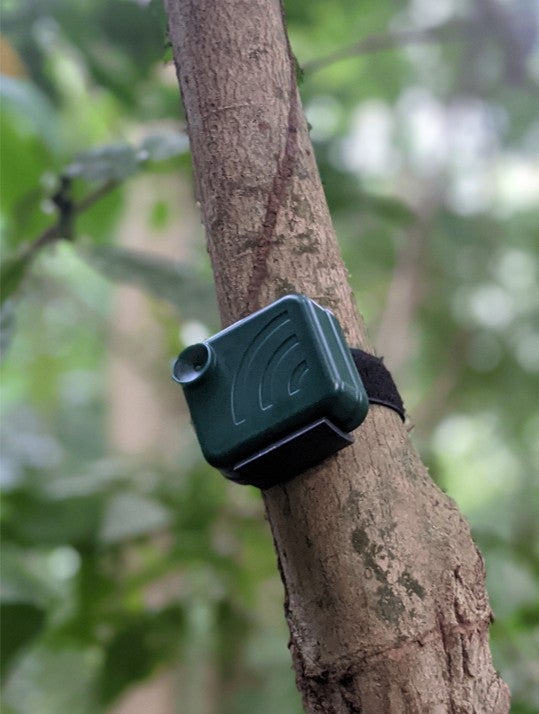
In this project, we engage with local communities to obtain various types of data, including laboratory analysis of collected blood samples, location tracking, and demographic and lifestyle information. By integrating these data with those collected from detailed ecological studies, we aim to examine how landscape, social factors, and contact with wildlife influence pathogen spillover and transmission. Understanding where and when these cross-species transmission events occur can provide new opportunities for disease surveillance and can inform land management strategies that reduce pandemic risks.
Validating and Improving Satellite-based Forest Carbon Estimation in Southeast Asia
Ankit Sagar
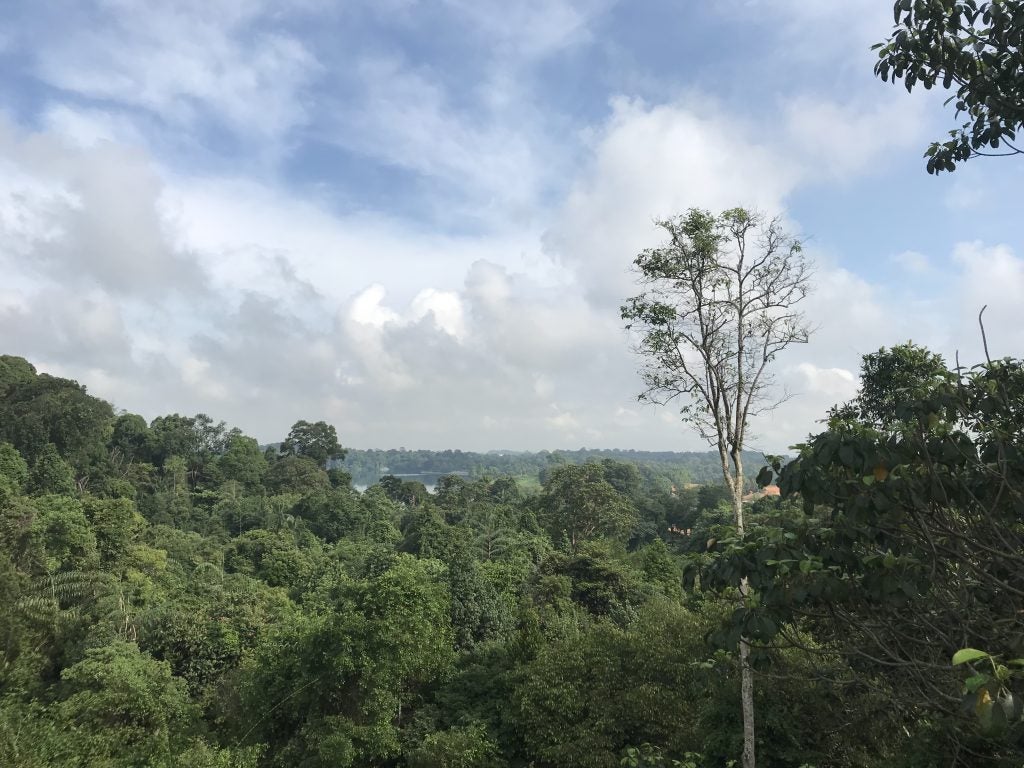
This project aims to map and improve the forest abovegound biomass estimates in Southeast Asia by linking remote sensing data with ground-based data.

Conservation of Mangroves for Climate Resilience
Robyn Gwee
Mangroves offer a host of benefits such as protecting lives, supporting livelihoods and contributing to climate mitigation goals. Under climate change and future land-use changes, conservation strategies may need to be adapted to evolving pressures. My research focuses on quantifying benefits of mangroves, as well as assessing conservation strategies for mangrove ecosystems in the current and changing climate.

Scaling High-Integrity Natural Climate Solutions in the Voluntary Carbon Market: Challenges and Opportunities
Shakura Bashir
This project aims to assess the environmental and social integrity of natural climate solutions through an inter-disciplinary approach. Key topics include factors influencing carbon credit certification, monitoring of biodiversity outcomes as well as the effectiveness of benefit-sharing mechanisms for local communities.

Remote Sensing of Tropical Peatland Forests – Brunei
Maria Elizabeth Rodriguez Ronderos
This project aims to improve tropical forest peatland above-ground biomass estimations using traditional ground forest surveys, Terrestrial LiDAR scanning (TLS) and Drone LiDAR scanning (ULS). We further aim to understand the effects of human disturbance at the edge of peatland forests in Brunei, and the impacts on their geomorphology, ecology, biodiversity and biomass.

Charting the Future of High Forest Low Deforestation Jurisdictions
Steve Hoong Chen Teo
HFLD jurisdictions are vital as they contain some of the world’s last intact forests. However, these areas may experience increasing deforestation rates, which traditional carbon financing mechanisms based on historical baselines may not address adequately. In this project, we explore ways to improve HFLD crediting mechanisms to provide sufficient incentives for their protection while ensuring project integrity.

A Blue Carbon Framework for Singapore’s National Climate Change Policy
Peiyang Qiao
Sai Qu
This project’s main aim is to understand the integration of blue carbon in Singapore’s national climate change mitigation targets. This project combines an interdisciplinary approach to mapping blue carbon at site and national scale, understanding changes in blue carbon and future projections. Public and private stakeholders are also engaged to create a roadmap of blue carbon as a climate change policy option for Singapore. This project is based in the Department of Geography.

Climate co-benefits of tiger conservation in India
Aakash Lamba
This project aims to provide empirical evidence for the climate benefits of a primarily biodiversity-focused conservation intervention by using tiger conservation in India as a model. We found that enhanced species focused conservation led to over 93$ million USD in climate regulation services in India over the study period. Link to the study here. Media features: https://www.straitstimes.com/singapore/tiger-conservation-in-india-saved-at-least-one-million-tonnes-of-co2-from-being-emitted-study https://timesofindia.indiatimes.com/india/tiger-conservation-efforts-bring-carbon-benefits-worth-rs-769-crore/articleshow/100924231.cms https://abcnews.go.com/US/tiger-conservation-india-helping-mitigate-climate-change/story?id=99567912