

Applied Ecology and Biology
Our Projects

Modelling Simian malaria disease dynamics in Saraburi, Thailand to inform surveillance strategies for emerging zoonotic diseases
Natcha Dankittipong
Kimberly Fornace
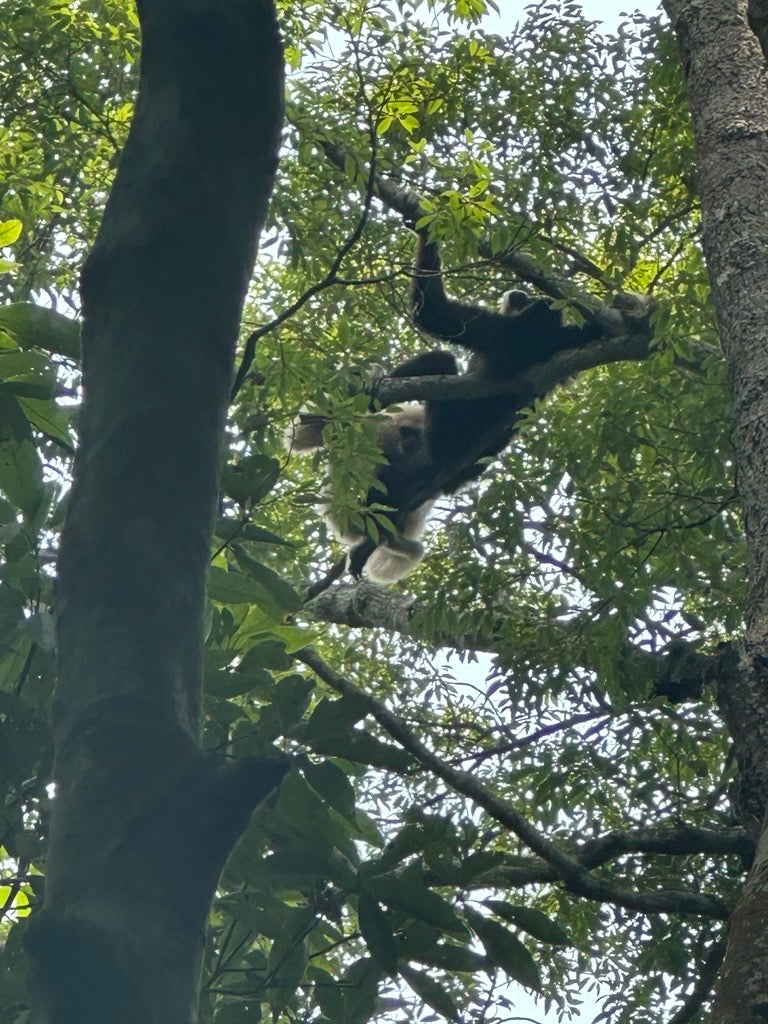
Zoonotic malaria caused by Plasmodium knowlesi is spreading across Southeast Asia, yet we still know little about how the disease moves between macaques, mosquitoes, and humans. This project aims to uncover those connections by developing a mathematical model that links these three hosts in central Thailand. Drawing on existing data and 10 months of field surveys tracking macaque movements and human behaviour, the model will explore when and where transmission is most likely to occur. By simulating different ecological and behavioural scenarios, it will shed light on how spillover happens and help shape One Health strategies for early detection and prevention of emerging malaria threats.
Climate Impact Science Research Project (CISR) : Acoustic monitoring and macaques
Shri Lak Nanjan Chandran
Kimberly Fornace
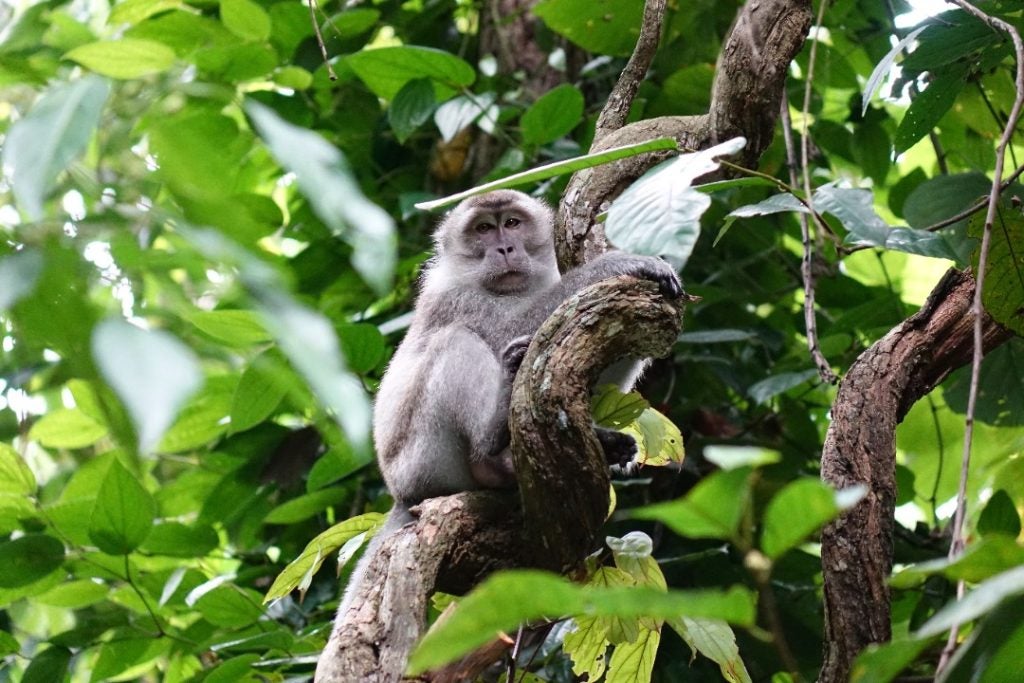
The acoustic monitoring portion of the CISR project aims to monitor the distribution of potential wildlife hosts in Singapore, targeting long-tailed macaques (Macaca fascicularis), as well as human distribution across green spaces, during key mosquito biting times. For this, a network of acoustic monitors designed to passively collect audio recordings will be deployed across Singapore’s national parks and green spaces.
Microclimate and mosquitoes
Natcha Dankittipong
Shri Lak Nanjan Chandran
Kimberly Fornace
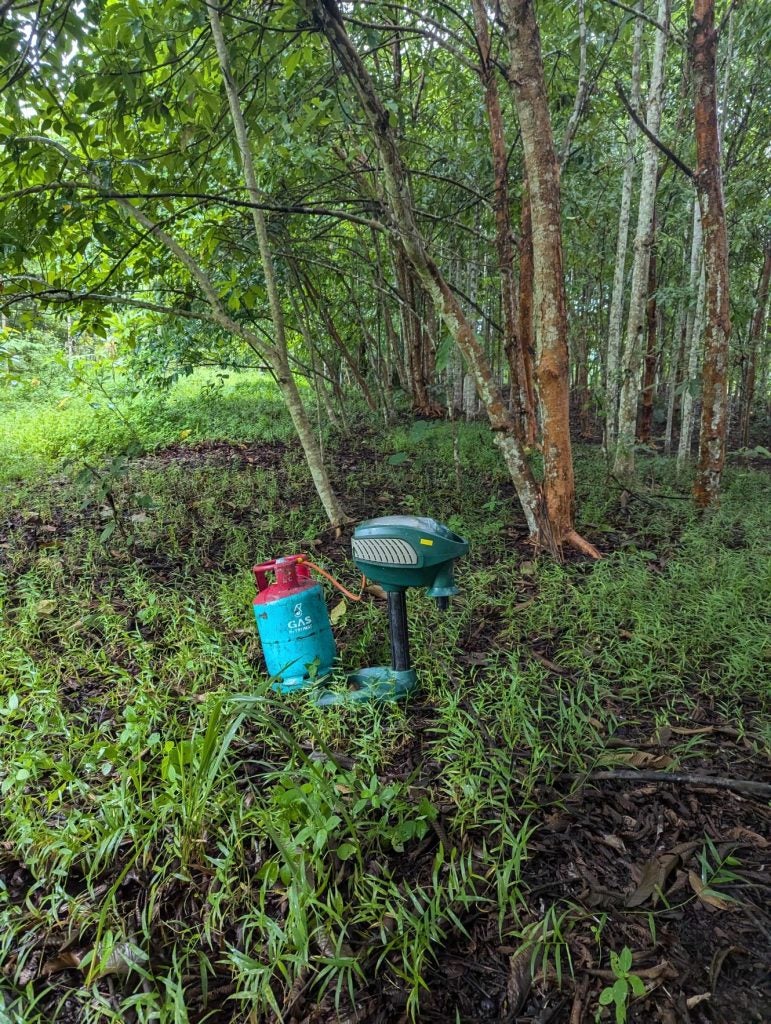
The microclimate project aims to generate realistic and site-specific climate information across different landscapes by combining physical modelling (microclimate models) with field-based observations from microclimate loggers. To achieve this, we have deployed numerous microclimate loggers across Singapore and other parts of Southeast Asia to obtain detailed environmental data. The climate data will be linked to models of mosquito population dynamics, which integrate both field-collected mosquito abundance data and mathematical modelling.
SENSOR: Socioecological dynamics of zoonotic and vector-borne diseases in changing landscapes
Kimberly Fornace
Jun-Sik Lim
Joyce Hu
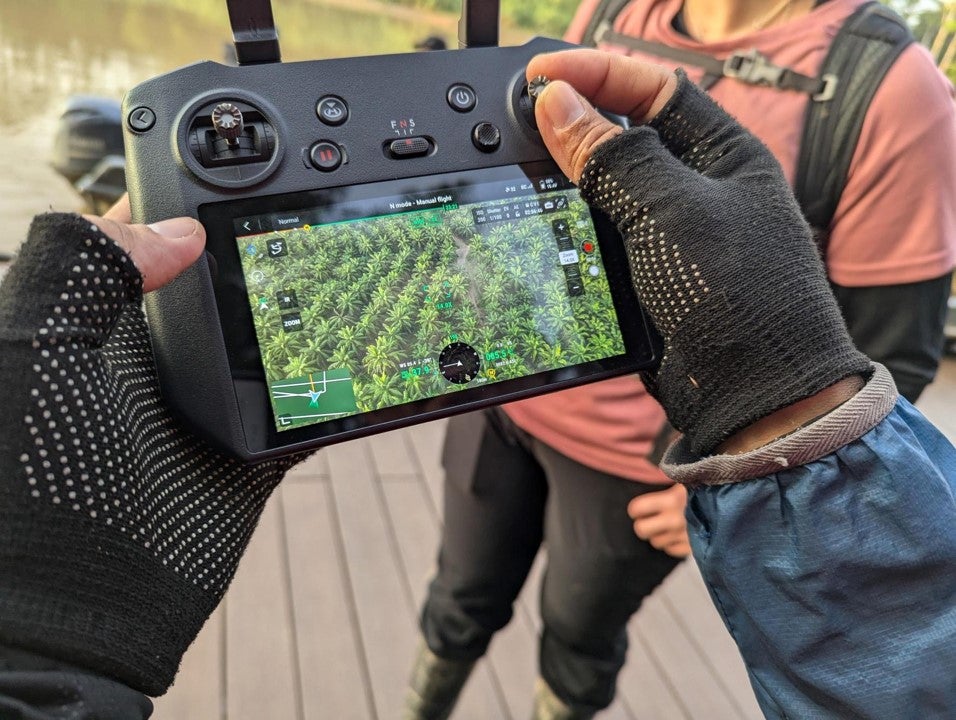
Landscape changes, such as deforestation, can increase the spread of infectious diseases between people, wildlife, and insects. Focusing on Southeast Asia, we conduct field studies to collect data on how people, animals, and environments interact. We then use this data to build mathematical models to understand how landscape changes disrupt social, biological, and environmental systems, creating new pathways for disease spread.

Listening to the ecological heartbeat of the rainforest: Bioacoustics for monitoring of biodiversity to answer ecological questions
Sean Yap
“If a tree falls in a forest and no one is around to hear it, does it make a sound?” ~ Traditional biodiversity surveys are time-consuming, labor-intensive, and prone to human error—plus, human presence can disrupt wildlife. Bioacoustic recorders, paired with AI, offer a faster, less invasive way to monitor vocal animals. We use this technology to explore applied ecological questions, such as how human-made noise impacts vocal animal communities and how effective native reforestation efforts are. View some snaps of us in the field here.
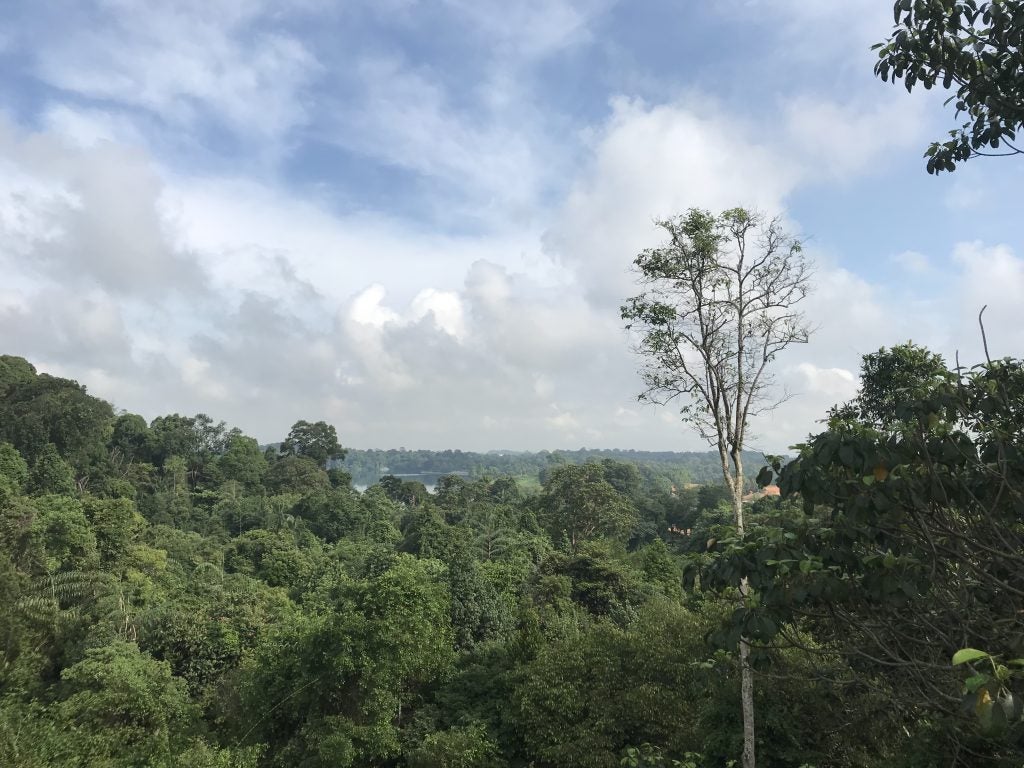
Validating and Improving Satellite-based Forest Carbon Estimation in Southeast Asia
Ankit Sagar
This project aims to map and improve the forest abovegound biomass estimates in Southeast Asia by linking remote sensing data with ground-based data.
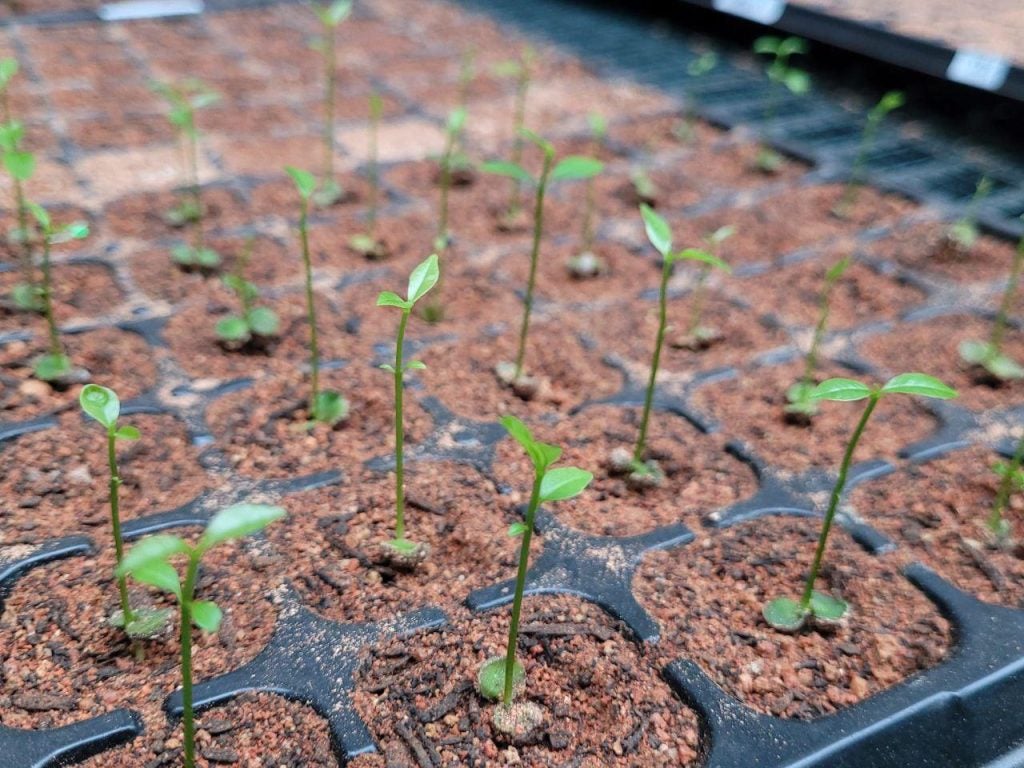
Multi-scale impacts of climate change on tropical forest dynamics in Singapore
Alicia Ong Xiang Ting
Singapore’s tropical forests will not be immune to the effects of climate change. Climate change will lead to long-term changes in precipitation and temperature, as well as the frequency of extreme weather events such as droughts or windstorms, with important implications on the physiology and demography of tree populations in our forests. This project examines the potential effects of climate change on species-, community-and ecosystem-level responses in Singapore’s forests, using a combination using seedling / sapling experiments, the development of vegetation models to evaluate the impact of climate-induced disturbances, and species distribution models to project which native species are most at risk to long-term changes in climate.

The Biodiversity of Tropical Asia: evolution, gaps and threats
Charles Marsh
The Asian tropics are exceptionally biodiverse and exhibit high levels of endemism, shaped by the vast and dynamic biophysical theatre in its many landmasses and islands. Its biota, however, is threatened by immense, varied and persistent pressures in an increasingly populous part of the world. This project aims to review and synthesise the current state of biodiversity and biodiversity research in the region for a range of terrestrial, freshwater and marine organisms, including patterns of endemism, rates of species discovery, spatiotemporal biases in biodiversity data and the magnitude of threats that species face across the region.

Remote Sensing of Tropical Peatland Forests – Brunei
Maria Elizabeth Rodriguez Ronderos
This project aims to improve tropical forest peatland above-ground biomass estimations using traditional ground forest surveys, Terrestrial LiDAR scanning (TLS) and Drone LiDAR scanning (ULS). We further aim to understand the effects of human disturbance at the edge of peatland forests in Brunei, and the impacts on their geomorphology, ecology, biodiversity and biomass.