

Retrieving books from our closed stacks will take longer due to ongoing renovation & improvement works. Do cater an additional day or two for your requests to be fulfilled. We apologise for the inconvenience & appreciate your understanding. For assistance or queries, contact loans@nus.edu.sg.

(1/1)

(1/1)

students-discussion students-discussion

AY2024/25

Meet our 3rd batch of Fellows, and learn more about their research topics and experiences being part of the Fellowship.
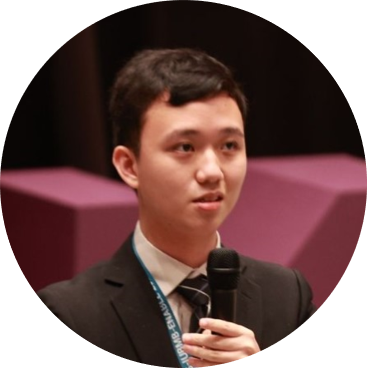
Fellows2025 Brandon
Brandon is a first-year Pharmaceutical Science undergraduate with minors in Life Science and Music. He has an interest in dengue immunology, specifically in studying the diagnostics and differentiation of dengue serotypes in the population. Outside of biomedical science, he engages in music theory research, with interests in Schenkerian theory.

Differentiating Dengue Serotypes Using Monoclonal Antibody-based Methods for Clinical Diagnosis and Seroprevalence Estimation

Dengue virus (DENV) is a mosquito-borne disease that sees 390 million cases of infection occurring annually worldwide. There are four dengue serotypes (DENV1 to DENV4), and while infection with one elicits immunity to that serotype, it offers transient or lowered protection against the other serotypes. Infection with any of the four serotypes causes acute symptoms such as dengue fever or dengue haemorrhagic fever, which in some cases may result in mortality. The question remains – can we successfully differentiate DENV serotypes? This study aims to answer the question using monoclonal antibody-based methods. The clinical implications of detection and differentiation of dengue serotypes are estimating the distribution of DENV serotypes within Singapore and potentially South-East Asia. Such knowledge can prove useful in cases of patients infected with DENV for a second time, as it can lead to quicker decision making and more lives saved from the clutches of dengue.

Find out more about Brandon's research journey →


Mentors

Annelissa Chin

Annelissa Chin Mien Chew

Senior Librarian (Research Librarian – STEM)

Brandon: "The fellowship has been instrumental in giving me the means to develop the skills required for scientific research."


On one hand, the support given by Annelissa has helped to improve my skills in literature search and NUS Libraries' resource exploration. I am grateful for her advice, and many of the advice could be used in my research pursuits in the future.

Additionally, the funding provided by the fellowship is a rare opportunity for undergraduate students—who would not have had funding otherwise—to fund research projects that they are interested and invested in. As the first experimentalist awardee of the fellowship, lab materials can be expensive, with an antibody costing up to SGD1000 for purchase. Having the financial means to cover the costs of the project provides me with a lot more intellectual freedom to pursue interesting findings and not be afraid of failure.

Lastly, I would like to thank my supervisor, Dr Tan Chee Wah, and team for their invaluable guidance in running the day-to-day experiments and for their intellectual mentorship. Having good and supportive supervisors truly makes the whole process an exciting one. I highly encourage undergraduates from all disciplines to choose a supportive mentor, and apply for future iterations of this scholarship. You may never know if the small investments you make in research today may change the world in the future!

Fellow25_Isabelle Singarayar
Isabelle is an Anthropology student who loves travelling, experiencing diverse cultures, languages, and natural landscapes. These interests have led her to pursue research that fosters progress in giving voice to marginalised groups for the betterment of society.

Chinese and Indian Christians, Racism, and Islamophobia in Singapore

This study aims to analyse the Christian-Singaporean culture and how this may produce a cultural web involving Chinese privilege, Indian-Chinese relations, Islamophobia, or anti-Malay-ness that are unique to Singapore. It will concurrently delve into the historical coloniality of Christianity in Singapore and how it has shaped these racial-religious dynamics and notions of privilege and power in the country. Furthermore, the notion of Christian privilege is not unique to Singapore—but what is unique is the racial dichotomisation that Singaporean-Christian privilege produces, drawing a line separating Malay-Muslims from Chinese and Indian Christians. Through interviews and anthropological methods, the study will also attempt a look at micro-level cultural experiences of Christianity that may shape macro-level racial-religious dynamics.

Find out more about Isabelle's research journey →


Mentors

Nur Diyana Binte Abdul Kader

Nur Diyana Binte Abdul Kader

Librarian (Research Librarian – HASS) 

Isabelle: "The aim of my project was to grow research on areas of Singaporean racial-religious identities that I felt not many knew about or endeavoured to understand."


The realities on Christian Singaporeans, the racial dynamics within them, and how they interact with especially Malay-Muslims are deeply unique and important to Singapore’s sociocultural landscape, but rarely acknowledged. Ultimately, my purpose in doing so was to shed light on the experiences of especially marginalised and minoritised brown communities in Singapore. As anyone with a goal in mind, these goals are sometimes not met, or they fluctuate and change as the project process evolves. My goal was never to find a fully uncover the racism that Malay-Muslims experience, or the lives of all Christian Singaporeans, but this research process definitely exposed me to the intricate complexities of a solo project that sometimes left me demoralised.
Fellow25_Chin Chen Kai, Jeff
Jeff is a final-year student majoring in Political Science and History, with a minor in Southeast Asian Studies. His interdisciplinary education at the former University Scholars Programme (now NUS College) has fostered his interests in various subjects. For leisure, he enjoys reading, travelling and spending time in nature.

Burning Traditions: Tracing the Singapore Government’s Approach to Joss Paper Burning

The burning of joss paper is a traditional Chinese religious custom often practised in the public areas of Singapore’s public housing estates. As these estates are home to the country’s multiracial and multireligious population, one would expect that the Singapore government would have resolved any concerns with this custom to achieve its national goal of religious harmony. This is especially because the burning of joss paper has public consequences such as producing smoke and ashes that can spread around the neighbourhood. However, after six decades of political independence, criticisms of this custom persist and have recently gained prominence in social discourse. This Honours Thesis research hence aims to investigate how the practice of burning joss paper has been managed by the Singapore government and its effect on the people practising it.

Find out more about Jeff's research journey →


Mentors

Chow Chai Khim

Chow Chai Khim

Senior Librarian (Special Collection Librarian)

Jeff: "I believe this fellowship was crucial in supporting my Honours Thesis research."


Apart from the stipend that helped me reimburse my interviewees and finance my travels between joss paper shops across various estates, the fellowship had also exposed me to the plethora of resources in NUS Libraries that made my research process much smoother. While I had visited the library building quite often in the past, it was only during the fellowship that I learned about the microfilms here. This definitely saved me the hassle of visiting the National Library just to capture images of old newspaper articles.


On top of that, the fellowship also introduced me to the most helpful and knowledgeable librarians we have on campus. I am extremely grateful to my librarian mentor Chai Khim (and Li-Jen and Jie Ying as well) for teaching me how to use the microfilms in the library, and introducing me to a variety of resources that I could consult for my research. One such resource was the oral history recordings and transcripts uploaded to the National Archives database. As someone new to conducting oral history interviews, I faced many uncertainties in how I should record and transcribe my interviews. Fortunately, Chai Khim pointed me to the transcriptions on the National Archives database as a reference. I believe this also contributed to the quality of my research output.


Finally, on that note, I appreciate NUS Libraries' interest in storing my interview recordings and transcripts. This has expanded my research output beyond the thesis paper I had written, since I can now make some of my primary sources accessible to future researchers. I am deeply honoured to be able to contribute to the library's resources and possibly inspire new research pathways. Indeed, I think this fellowship has helped me realise that one does not need to be a graduate researcher to be able to conduct useful and meaningful research. I thus encourage any undergraduate who is interested in research (even if it is a slight interest) to take the leap of faith, apply for this fellowship and witness how much you can achieve.

Fellow25_Lo Zhu Ern, Jonah
Jonah is a third-year History student. Straddling the fields of diplomatic, political, and social history, he is interested in how elites and publics in Southeast Asia construct, perform, and contest foreign affairs. He has published in the Cambridge Journal of Political Affairs, the Defense Horizon Journal, and the Strategy Bridge.

They’re Stealing Your Women, Corrupting Your Children: Backlash Against Westernisation in Singapore’s Post-Cold War

Jonah’s project aims to investigate anti-Westernism in the post-Cold War. With the end of the Cold War, the West transformed from an imagined necessary protector and role model to an imagined threat to the identities, social structures, and ideals of Singaporeans. Starting in 1989, a new wave of anti-Westernism emerged, dominated by imaginations of irrepressible Western culture corrupting Singaporean children and virile Western men seducing Singaporean women. This study accordingly aims to contextualise various events usually considered independently – the emergence of “Asian Values” diplomacy in 1993, the Michael Fay vitriol in 1994, and the contested and controversial responses within Singapore to the 2001 World Trade Center attacks. Through examining how Singaporeans perceived and discussed the West in a time of geopolitical transformation, social change, and leadership transition, this study thus hopes to offer an approach to understanding 1990s Singapore that is fresh, meaningful, and timely.

Find out more about Jonah's research journey →


Mentors

Herman

Herman Felani Bin Md Yunos

Associate University Librarian and Head of Archives & Digital Preservation

Shawn W

Shawn Wongosari

Assistant Librarian (Collections Management & Preservation)


Jonah: "The fellowship provides an excellent invitation and platform to work on a project of your choice, including pet projects and FYP pilots."


Fellow25_Ng Rui Kyi
Rui Kyi is a year 3 Medical student with a keen interest in interdisciplinary research, exploring the intersections between public health and geography. She aims to contribute to innovative approaches to tackle healthcare challenges on a global scale. For leisure, she enjoys playing sports and learning music.

Accessibility of Maternal Healthcare Services in Rural Southeast Asia - a Systematic Review

Maternal and reproductive health outcomes in Southeast Asia reveal significant disparities, particularly in rural and underserved regions, due to socio-economic, geographical, cultural and systemic barriers. These challenges include financial constraints, geographical inaccessibility, cultural norms, and shortages of skilled healthcare professionals, contributing to poor health outcomes, reduced healthcare utilisation, financial hardship, and worsened health disparities. This research seeks to identify and analyse key barriers and facilitators of the access to maternal healthcare in Southeast Asia, specifically in rural regions. By providing a holistic cross-country perspective on this issue, the study aims to equip various stakeholders with a deeper understanding of healthcare disparities. This understanding will guide future research, policy formulation, and the development of sustainable solutions to improve maternal healthcare access across the region.

Find out more about Rui Kyi's research journey →

Read Rui Kyi's published paper →


Mentors

librarian_sueinee

Wong Suei Nee

Senior Librarian (Research Librarian – STEM)


Rui Kyi: "The opportunity to engage in interdisciplinary research has been a highlight of my academic journey, allowing me to explore meaningful intersections between medicine, public health, and the social sciences."


This experience not only deepened my interest in these fields, but also equipped me with the skills to work independently. It pushed me to take initiative and affirmed my desire to continue pursuing research that bridges multiple domains of knowledge.


Throughout this journey, NUS Libraries has played a crucial role in supporting my work. From access to well-curated databases and specialised resources, to the guidance provided by my mentor Suei Nee, NUS Libraries has been an invaluable support in my research. I am very grateful for the resources and support that have shaped my development as a student researcher.
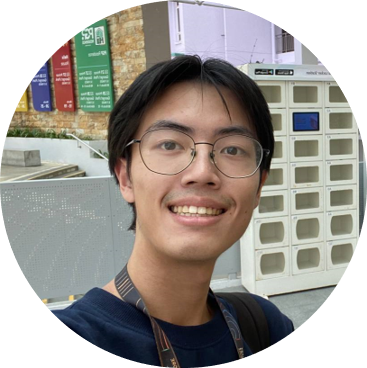
Fellow25_Tu Weizhi
Weizhi is a first-year student majoring in Data Science and Economics. His interests are in the modern banking industry which is constantly evolving and playing an increasingly pivotal role in the world. For leisure, he enjoys night running and bedtime coffee which have proudly become his lifestyle.

From Empire to Independence: A Historical Analysis of Banking in the Post-War Singapore, 1945 to 2025

This project explores the evolution of banking in Singapore from 1945 to 2025, tracing its significant transformations that laid the nation’s financial foundation. Beginning in the post-war period, the project examines the influence of British colonial banking systems on Singapore's recovery and the early development of local banks. Following independence in 1965, Singapore undertook significant financial reforms, including the establishment of the Monetary Authority of Singapore (MAS) as the central regulator. The steady and resilient growth of local banks enabled the sector to weather several financial crises throughout the late 20th century, while also driving their expansion into regional and global markets. In the modern era, the rise of digital banking and fintech innovation has propelled the city-state’s banking industry to the unprecedented forefront of global finance. This project provides a deeper understanding of Singapore’s banking history and emphasises its increasing relevance in today’s complex global landscape.

Find out more about Weizhi's research journey →


Mentors

suyian

Kho Su Yian

Principal Librarian (Research Librarian – HASS)


Weizhi: "This fellowship has been one of the greatest milestones in my university life and I really appreciate NUS Libraries for giving me this prestigious opportunity."


Under this fellowship, I explored the banking history of Singapore which is very important and helpful for acquiring a more comprehensive understanding of the island-state's unique financial industry. I have seen a clearer trend of the government's stance in regulating and developing the sector, which plays the centric role in building the global financial hub. In the modern age, the world becomes deeply interconnected with trade and technology and Singapore banks are at very favourable positions to grow regionally and globally which would further reinforce the nation's competitive edge even amidst today's greater uncertainty.


Along the research journey, I obtained immense help from my supervisor Prof Seng and NUS Libraries mentor Ms Su Yian in terms of navigating through the vast collections of resources, and in how to conduct a formal and in-depth research project. I attended the libraries' Researcher Unbound series which provided invaluable training in advanced research techniques and database utilisation.


The fellowship has solidified my interest in the banking industry, and I intend to leverage this work to pursue further research and career opportunities in the local and regional financial sectors. I am keen to further develop this research, specifically examining how technological advancements and regional economic integration are shaping the future of banking in Singapore and Southeast Asia.
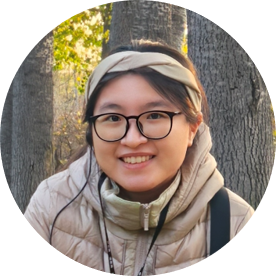
Fellow25_Zhang Ming
Zhang Ming is a final-year Global Studies undergraduate specialising in Colonialism, Security and Global Order, with a second major in Japanese Studies. She is deeply interested in East Asian geopolitics, identity politics and the intersection between environment and individual. In her free time, she enjoys playing the piano and photography.

My Health, My Way: Scientific Citizenship in Singapore Against Global Health Threats

Global environmental health threats (GEHTs) are risks to human health of a global scale that arise from disruptions in the natural environment, which could be traced back to human activities and/or natural phenomena. Examples of such threats include zoonotic diseases like COVID-19 and Mpox, environmental pollutants like haze, and climate-related threats like heat stroke. Singapore, as a well-connected global city, remains susceptible to GEHTs, and therefore it is crucial to understand how current and future generations of Singaporeans would approach this issue. Specifically, the link between risk perception (“what one thinks and knows”) and action (“what one does”) in the Singapore context must be made clear. Through semi-structured interviews with Singaporean parents of young children, this project aims to uncover how parents, representing the current generation of Singaporeans, would perceive, manage and inculcate values with regards to GEHTs as they nurture the next generation of Singaporeans.

Find out more about Zhang Ming's research journey →


Mentors

Stephanie Ng Yen Ping

Stephanie Ng Yen Ping

Senior Librarian (Research Librarian – STEM)

Zhang Ming: "As a researcher, this paper was my first and most extensive experience in conducting research independently. I was able to experience the entire process of conceptualising, designing, executing, troubleshooting and presenting my original research."


As a fellow, the stipend allowed me to provide my interviewees with ample compensation for the valuable insights that they have given me. Applying for and managing my funds from the fellowship was also an essential part of this real-world research experience. I regularly accessed the discussion room in the Central Library for a quiet and conducive space to review my literature. My deepest gratitude goes out to my library mentor Stephanie, my thesis supervisor Dr Shelley, and the fellowship coordinators for their timely and patient guidance.


As a member of society, conducting this research highlighted to me the symbiotic relationship between human health and the environment where our essential resources originate from, suggesting the need for a collective responsibility to live sustainably. The insights from my interviewees demonstrated an alignment between this collective responsibility and the concerns of Singaporean parents for their children's futures, suggesting that they could be the key target audience for the promotion of sustained action against GEHTs moving forward.

AY2023/24

In celebration of the remarkable research endeavours of our esteemed fellows, this video will bring you insights into their research journeys and highlight how their projects are poised to make meaningful contributions to academia and society at large.


Get to know our 2nd batch of Fellows, their research topics and their insights on the Fellowship.
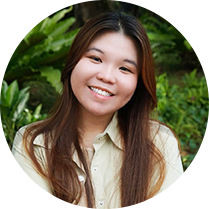
Fellows2024 Eunice
Eunice is a final-year undergraduate majoring in Global Studies, specialising in Global Health, Environment and Technology, and a minor in English Literature. Her interests lie in uncovering the interactions between the environment, politics and culture. For leisure, she enjoys meeting new people and delving deep into new literary works.

Fluid Boundaries: Navigating Singaporean Water Identity

This project aims to uncover the relationship between water and Singaporean identity. By understanding how Singaporeans' relationships with water manifest historically and contemporarily, the complex relationship between globalisation, environment and identity become clear. As the role and meaning of water is always changing in the Singapore environment due to globalisation and climate change, it is important to consider how a water narrative, a crucial facet of Singaporean identity, affects socio-cultural norms moving forward, as opposed to other identities. Ultimately, this project proposes that the understanding of water in Singapore and how it affects identity in Singapore cannot be separated from understandings of Globalisation. Through uncovering the relationships between identity, water and globalisation in the context of Singapore, the project sheds light on how vulnerable, malleable and ever-changing the Singaporean identity always is in relation to its environment, as well as how its multi-faceted complex nature is fundamentally constantly in tension.

Mentors

Kah Wei

Wong Kah Wei

Associate University Librarian and Head of Learning & Engagement
Gandhi

Gandhimathy Durairaj

Principal Librarian and Head of Collections

Eunice: “This thesis and fellowship has been an eye-opening experience that has developed my academic and personal potential."

Academically, embarking on a thesis was truly a whole new experience. It honed my academic research and writing and really stretched my capabilities in data collection. Without the fellowship, I think I would have been clueless as to where I could find relevant literature and sources. My mentors, Kah Wei and Gandhi, were extremely patient in their guidance,  especially with the sourcing process and reviewing the sources I had chosen for my thesis.


This thesis requiring various sources really stretched my ability to dig deep for so many things. I actually had even more sources such as myths, songs, island, maps etc. Although not all of these sources were showcased in my thesis, my mentors led me to realise much more about my topic then I had originally known.


Personally, I was able to explore topics that intrigued me – Water, Singapore and Globalisation! This thesis revealed to  me that much of what we consider to be an “identity”, is often reinforced visually or through narratives. My mentors were very helpful in providing me feedback on the coherency of my thesis. Even if alternatives were considered, my mentors always emphasised that I should make changes only if they aligned with my thesis' goals.


I also enjoyed getting to know my other research fellows and learning their research projects was fascinating. Getting to know and work with my mentors was also an extremely fun and exciting part of this journey. Last but not least, the fellowship provided me with the opportunity to present my work to an audience which is a very rare opportunity for an  undergraduate student. All in all, the Undergraduate Library Fellowship has been an invaluable experience and I would encourage anyone with a research interest to take the chance and apply for it!
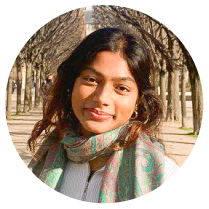
Fellows2024 Dakshayani
Dakshayani is a 5th year student in the double degree programme with NUS Law and Yale-NUS. She has a deep interest in socio-legal research, specifically in studying the legal consciousness of marginalised communities. Taking an intersectional approach, she is interested in understanding the power and limitations of law for minority groups. For leisure, she writes plays and enjoys drinking coffee.

Understanding Legal Consciousness Amongst Sri Lankan Migrant Domestic Workers in Singapore

Dakshayani’s project explores the legal consciousness of Sri Lanka migrant domestic workers (MDWs) in Singapore. It explores whether Sri Lankan MDWs are aware of their legal entitlements and whether they perceive themselves as rights holding subjects. It goes further to study how Sri Lankan MDWs respond to rights infringements – namely, whether they make use of formal legal mechanisms to enforce their rights, whether they opt for hidden modes of resistance or whether they lump their grievances. This project seeks to fill the gap in the existing literature by understanding if and how MDWs exercise their rights within a legal framework where power imbalances are rife. The purpose of this project is to understand how we may reform laws and enforcement mechanisms which empower MDWs to enforce their rights and hold employers accountable.

Mentor

Bissy

Bissy Ithack

Senior Librarian
(Research Librarian – Law)

Dakshayani: "I am grateful for the support of the NUS Undergraduate Library Research Fellowship which helped to strengthen and deepen my research."


I chose to conduct my research on the legal consciousness of Sri Lankan Migrant Domestic Workers (MDWs) in Singapore. This was borne out of a desire to bridge a gap in the extant literature – there was little to no existing literature on the legal consciousness of MDWs, and there was no current literature on Sri Lankan MDWs in Singapore. By researching on this area, I believe that there is the potential for important policy implications – namely, by understanding how Sri Lankan MDWs and, by extension, other MDWs or marginalised groups perceive the law in Singapore, we can seek meaningful reform in our legal system.


The fellowship aided my research process in the following ways: First, the generous funding allowed me to create a comfortable environment for my participants to share their stories. Using the funding, I purchased snacks and drinks for MDWs to enjoy as I interviewed them. Furthermore, at the end of the interview, I gave my interlocutors a $10 NTUC voucher as a token of appreciation for their time and effort. As I interviewed my participants on their only rest day during the week or even month, it was important to compensate them adequately. Thus, the funding provided by this fellowship allowed me to conduct my research ethically and respectfully.


Second, I am deeply grateful to Ms Bissy Ithack, my assigned library mentor, who assisted me with the initial stages of the research journey. This made the entire process less overwhelming and daunting. Given that there was no existing research on the legal consciousness of Sri Lankan MDWs in Singapore, I was at a loss on how to begin the research process. Ms Ithack suggested that I look at the two independent strands of research which my project bridged – i.e., legal consciousness scholarship and migration scholarship. This was helpful in setting the context for my work. Ms Ithack also provided me further guidance by teaching me certain tips and tricks to streamline the research process. Consequently, her mentorship made my research sharper and more focussed. I am also grateful for the wealth of resources which was made easily available by NUS Libraries.  


Third, I am thankful to my thesis supervisors – Dr Bittiandra Chand Somaiah and Dr Lynette Chua – who spent countless hours thinking about and discussing my findings with me. I was also grateful to them for providing feedback on my drafts which allowed me to produce a deeper and more refined piece of research.  


Finally, being able to interact with the other fellows allowed me the opportunity to learn from them and their fascinating, interdisciplinary research. I was also grateful for the opportunity to share my work with others during the symposium and receive useful feedback. This fellowship has been an inspiring and incredible experience, and I would encourage other aspiring scholars to apply for it.
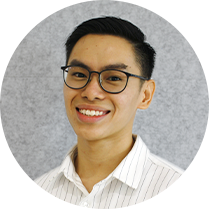
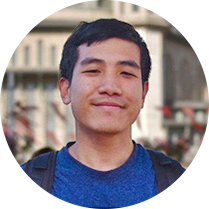
Fellows2024 Jordan
Jordan is a 3rd year student majoring in Architecture at the National University of Singapore. His interest in architecture lies in its ability to empower, uplift, and represent our society. By the same token, he is passionate about humanitarian/public-interest design and research.

The Built Language of Inequality: An Urban Case Study on Marine Parade

This research aims to address the following questions: How does the built environment facilitate and produce inequalities in Singapore? How does the built language of inequality, across diverse scales (micro to macro), function and interact with one another as agglomerative systems that transform the everyday experience of people with different socioeconomic backgrounds and influence their life outcomes? In a survey conducted by the Department of Statistics Singapore in 2021, the statistical findings hypothesised the possibility of an unequal distribution of opportunities, wealth, racial-religious groups, age groups, infrastructural amenities, and other forms of public good and rights across different geographies and neighborhoods in Singapore. These forms of inequalities are often produced and facilitated by architectural elements and their wider urbanity. This research seeks to investigate the built language of inequality using Marine Parade, one of the most unequal neighborhoods in Singapore, as a case study.

Mentor

Raudah

Raudhah Thongkam

Principal Librarian
(Immersive Learning Librarian)

Jordan: "Being a recipient of the NUS Libraries Undergraduate Research Library Fellowship has been one of the most significant milestones of my academic journey so far."

The abundance of resources, guidance, and support I have received has enriched my research and provided me with the opportunity to pursue my research even outside of the academic calendar. As a third-year undergraduate student, this experience has offered me a glimpse into graduate-level research and helped me determine the type of research I wish to pursue in the future. Through this journey, I have also gained a deeper appreciation for the efforts of the library team in making NUS Libraries a well-resourced database and service center, supporting students in their academic endeavors. For this, I am extremely grateful for the team's past and ongoing dedication.
Fellows2024 Lance
Lance Wu is a 4th year History major with a minor in Southeast Asian studies. His interests are in the histories of colonialism and perspectives of identity creation in Singapore and the Malay world. For leisure, he either escapes reality by reading fiction or learns new material on his guitar.

Who Says They are Lazy?: (Re)Contextualising ‘Lazy’ Malay Images in 19th Century Malaya Through the Lives of Frank Athelstane Swettenham and Isabella Lucy Bird.

Negative stereotypes can result in prejudice and, in extreme cases, inflict real hurt or harm through social and economic marginalisation. Lance aims to (re)contextualise historical images of ‘laziness’ and ‘indolence’ of the Malays within British colonial discourses. This diverges from existing studies that ‘lazy’ images emerged from an ‘ideology’ of colonial capitalism to justify colonial rule. His research proposes that ‘laziness’ in British colonial writings were more complex than one-dimensional moral and capitalistic subjugation for the colonial project’s material gains. Biographical contextualisation of Frank Swettenham’s and Isabella Bird’s colonial experiences suggests that heterogenous opinions of ‘laziness’ resulted from intersecting personal and professional motivations of colonial personalities. Deeper textual analyses demonstrates that Malays’ ‘laziness’ was a superficial and incomplete observation. In reality, 19th century Malays were not condemned by Swettenham and Bird as morally deficient due to their supposed ‘laziness’ but rather, they acted rationally within prevailing environmental and social realities.

Mentor

Diyana

Nur Diyana Binte Abdul Kader

Librarian
(Research Librarian – HASS)

Lance: "I am extremely grateful to NUS Libraries for awarding this fellowship to me and for their invaluable assistance in guiding me through researching for my Honours Thesis."


This fellowship introduced me to, and allowed me to get acquainted with the vast physical and online collections available for perusal in various library collections. With the kind and knowledgeable support of my librarian mentor assigned to my project, I was able to conduct more thorough literature reviews and to find primary and secondary sources that enriched my project at various stages. The support given by NUS Libraries was invaluable, from identifying key sources that I initially missed in my own literature reviews, to purchasing scholarly materials currently not in any NUS Library collections for me to reference for my project. Being part of this fellowship has allowed me to gain crucial insights into the NUS Libraries’ role in developing the academic student community through providing academic resources, and allowed me to get a glimpse into the work and resources required for extensive and in-depth research.


Receiving this fellowship was a wonderful personal and academic experience. I would highly encourage future undergraduates from all disciplines to tap onto NUS Libraries’ extensive resources and expertise while conducting their own research journeys. I would also encourage interested undergraduates to apply for future iterations of this fellowship!
Fellows2024 Maximilian
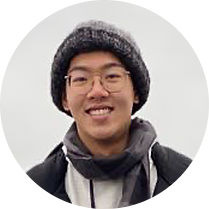
Maximilian is a final-year Philosophy, Politics, and Economics major. He has a keen interest in politics in the region, and is especially interested in the role and future of ASEAN given the numerous challenges it faces today.

ASEAN and Human Rights: Fundamentally Irreconcilable or a Work-in-progress?

In its effort to re-legitimise itself in the wake of the Asian Financial Crisis, ASEAN introduced a new series of expectations for itself: that it was a more unified, institutionalised, and effective regional body, with the willpower and capacity to not only promote, but enforce human rights. ASEAN thus far, however, has failed markedly to live up to these expectations. Instead, it now faces an existential threat to its credibility and legitimacy, as its inefficacy and fundamental inability to either protect or promote human rights is laid bare by its repeated mishandling of the Myanmar Crisis. By investigating ASEAN’s approach to human rights thus far and adopting a comparative approach with other regional organisations, this thesis seeks to unravel this new conundrum ASEAN finds itself in, and identify key measures that must be addressed before ASEAN can make substantial changes on this issue.

Mentors

Herman Felani Bin Md Yunos

Associate University Librarian and Head of Operations

Jadely Seetoh

Senior Librarian

Maximilan: "The NUS Libraries Fellowship was extremely helpful in the completion of my thesis."


First, the provision of the stipend was instrumental in the writing of my thesis, in part because it provided me the funding to gain access to paywalled resources, and also because it accorded me the financial freedom to focus on it.


While the Political Science department does afford modules on research methodologies and more generally how to write a research paper, one aspect of my education in NUS that was perhaps lacking was the absence of formal instruction with regards to research sources. Having attached mentors from NUS Libraries was additionally extremely helpful in that regard — my mentors pointed me to journal databases such as the International Political Science Abstracts and dissertation databases such as ProQuest and taught me how to use them to effectively supplement my research, which was extremely helpful in the writing of my thesis. Both my mentors were also extremely helpful in navigating the many resources that NUS Libraries provides to students, and their dedicated support of my research gave me the confidence to be more ambitious in the scope of my thesis.


On a similar note, NUS Libraries’ Singapore/ Malaysia Collection, especially its well-curated ASEAN Corner, proved to be an invaluable source of resources through the course of my research. In particular, the centralisation of resources in one dedicated space and the diversity of resources available provided a convenient means for me to explore alternative sources and perspectives for my research.


Last, but of no less importance, was the provision of a dedicated space in the library for me to work on my thesis; this was perhaps the most useful during the examination season where the library was constantly packed, and really gave me a space to sit down and write.
Fellows2024 Liurong
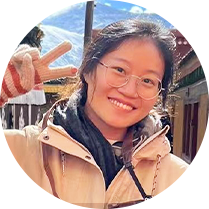
Liurong is a final-year Sociology undergraduate with a minor in Translation. How do individuals position themselves in this massive society? She hopes to discover this through exploring identity, culture, (social) memory, religion, and language. Walking along the street, with her earphones on, she likes crafting a world of her own in her mind.

Between ‘Two Worlds’: the ‘Story’ of ‘Home’ at Bukit Brown Cemetery

Bukit Brown Cemetery, housing approximately 100,000 tombs dating from 1922 to 1973, is not just a land for the dead but also for the living. The cemetery encapsulates a rich material culture that unveils a less-explored facet of Singapore, often overshadowed or forgotten in the context of the city-state’s high level of modernisation. However, it received unexpected public attention when the government announced plans in 2011 for its complete clearance to facilitate urbanisation and future residential development. Individuals who often have little or no prior connections and only possess distant memories of the graves call for its preservation. Why do these people who are expected to forgo the past and embrace the modern-urban world have the interest to re-engage with such a deserted ‘dead’-space? This project seeks to explore the expression of a shared nostalgia addressing the social amnesia encountered by the community in negotiation of their personhood and identity.

Mentors

Gaetan

Gaetan Boisson

Principal Librarian (Digital Scholarship Manager)

Tan Li-Jen

Assistant Librarian

Liurong: "My fellowship journey has been an incredible experience that has profoundly supported my burgeoning interest in research."


With the guidance of my mentors, Gaetan and Li-Jen, I have discovered the vast and often untapped wealth of resources available. This includes not only  books and journals but also the library’s own research projects, which have provided a treasure trove of information and inspiration. These resources have been instrumental in deepening my understanding of my research topic and exploring new avenues for investigation.


Interacting with other researchers and the librarians has been both fun and stimulating, adding to the supportive community that this fellowship fosters. As an undergraduate researcher, we can often feel immature in terms of our research skills and knowledge of the literature. This fellowship has provided much-needed support , helping me navigate what initially felt like being thrown into an open sea. One of the most significant aspects of this fellowship has been the financial support it has provided, alleviating a substantial amount of stress. This support has allowed me to focus more on my research pursuits without the constant worry of financial burdens.


Although my fellowship journey is still relatively short, it has already opened up numerous new opportunities for future research projects. The sense of support I feel from being part of this community, especially as an undergraduate navigating the early stages of my research interests, has been phenomenal. Sometimes, all one needs is a little push and some motivation, and this fellowship has provided just that. I look forward to further developing my research skills and exploring new possibilities with the foundation this fellowship has provided.


In summary, this fellowship has been a great experience, providing financial relief, access to invaluable resources, and the unwavering support of a vibrant community. I am excited about the future and grateful for the opportunities this fellowship has afforded me. Thank you to my mentors, Gaetan and Li-Jen, for their unwavering support and guidance.

AY2022/23

The Undergraduate Research Library Symposium is a celebration and showcase of the research projects completed by our pioneer batch of fellows. Watch them share their research and learnings, opportunities and challenges, and how their projects can contribute to academia/society.


Get to know our pioneering batch of Fellows, their research topics and their learning journey.
Damien Kee
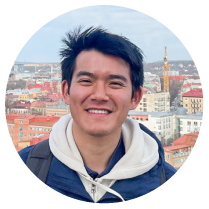
Damien is a 5th year student of Law and History with a deep interest in the social history of Southeast and East Asian interaction with entities that promoted alternative and ultimately unsuccessful world orders, Pan-Asianism, and Singapore’s military and legal institutions. For leisure, he wanders around Singapore whenever he can.

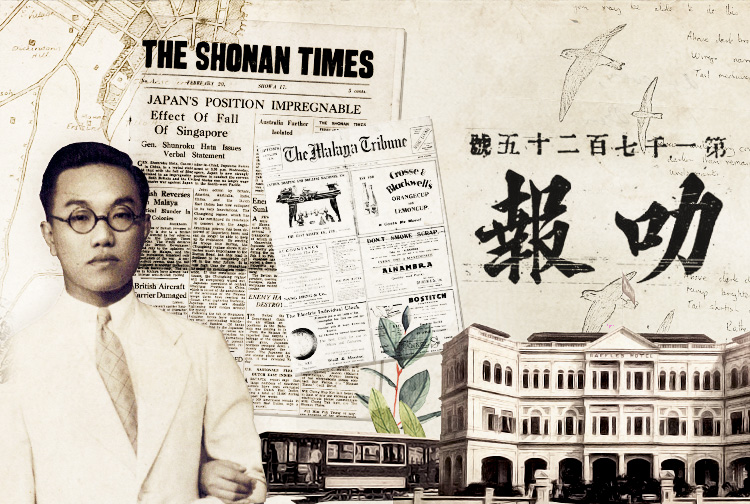
The Practice, Permeation, and Perception of Law by Local Residents of Japanese Occupied Singapore, Syonan-to

Damien's project firstly examines the efforts of Japanese (civilian and military) authorities to cultivate and portray the existence of the rule of law in Syonan. This includes their support or opposition of legal institutions and local participation within them, the codification of newly promulgated laws, and efforts to adopt a principles-based approach to legislation. Secondly, his project considers how residents of Syonan experienced law. Specifically, the research will consider the extent to which law permeated their lives, and was perceived as an institution that could be relied upon to attain justice and mitigate the arbitrariness of life in Syonan. This project will ultimately help develop our shared understanding of Syonan’s legal history, which hitherto has received relatively lesser attention in academia as compared to her political, economic, and social aspects.

Mentor

Gandhi

Gandhimathy Durairaj

Principal Librarian and Head of Collections

Damien: "I am grateful for the assistance of the staff at NUS libraries, and the support of the Wan family for Southeast Asian research."


My research was born out of an effort to combine three different academic interests of mine. The first of these is the lived experience of law, and how it can expand or restrict one’s choices in life. The second is the lived experience of war, especially on the home front and in stories of how people carry on amid the atmosphere and demands of war. The third is that of all things related to local history, and of the stories that can be told of lives lived in this place. Thus came my decision to explore the legal history of wartime Singapore. Specifically, I wanted to understand how a legal landscape, encompassing substantive law and its accompanying institutions and process, made life better or worse for the average resident of Japanese-occupied Singapore, and how it evolved as the Empire in which Singapore found itself faced the prospect of total defeat.
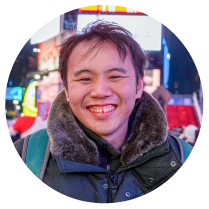
 

While I have kept to my original purpose, I eventually decided to focus on the history and impact of the Auxiliary Police Force (APF) which I found not only to be a large and imposing organisation staffed entirely by local residents, but also one which accrued more roles to fit the evolving needs of the Japanese leadership. Through an analysis of the APF, I have tried to tell a story of a top-down attempt to co-opt the Singapore population in the control and exploitation of the island’s precious resources of manpower and strategic location. I have also told a story of Auxiliary policemen who opted to express their values and desires through their newfound duties and powers, rather than abide by the occasionally jingoistic and often distant dictates of the Japanese Military Administration. Far from providing definitive answers, I hope to highlight the complexity and depth of Singapore’s wartime experience, and to provide a springboard for further investigation into the APF and other organisations or processes that featured the Singapore population as participants in the governing and legal structure of occupied-Singapore in one way or another. As I briefly discuss as well, the APF traces its lineage to preceding variants employed across East Asia, and was later further exported for employment in the rest of occupied Southeast Asia as well. The APF was thus not a mere local phenomenon, but a facet of our shared Asian history.


Singapore’s wartime history is not only rich, but shrouded in myth, mystery, and traumatic memory too. In my attempt to understand, negotiate, and perhaps penetrate this shroud, I am grateful for the assistance of the staff at NUS libraries, and the support of the Wan family for Southeast Asian research. I am especially thankful for my supervisors Professors Clay Eaton and Kevin Tan who constantly encouraged me to dive deeper and sharpen my arguments, and kept me inspired with their passion for history.
Shaun Lee
Shaun is a 3rd year History Major. He is interested in the history of Southeast Asia and its relationship with China, especially from the perspective of ordinary individuals and the underprivileged. In his spare time, he plays football and represents NUS English Debate in regional and international competitions.

The Songs We Sang with Asia: The Xinyao Movement and the Sinosphere

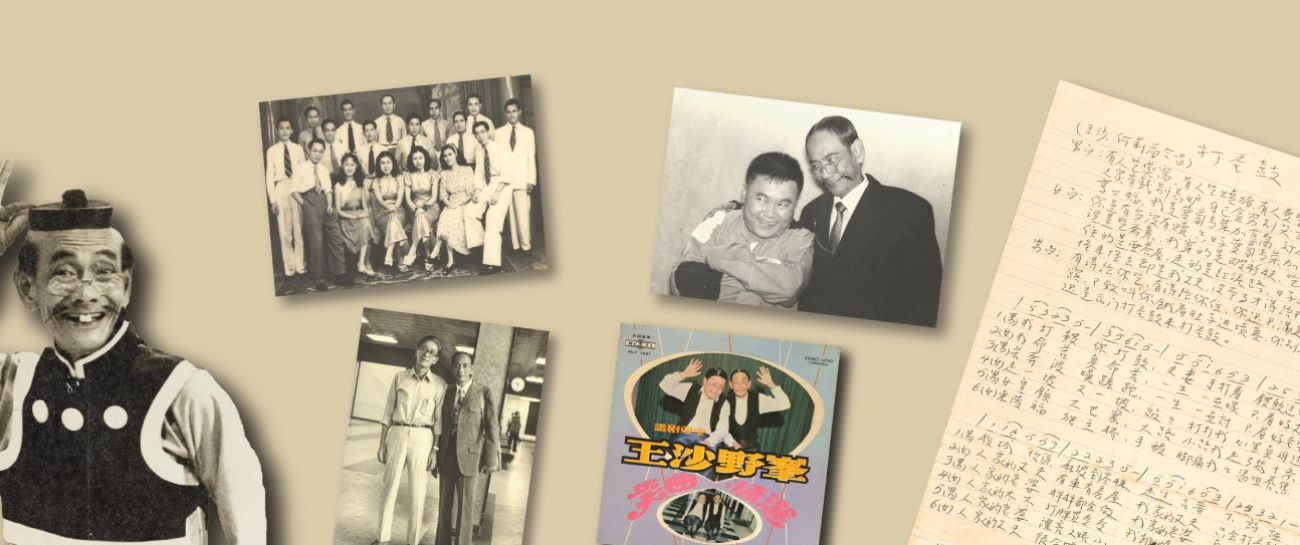
In the 1980s, students in Singapore schools produced self-written Chinese folk songs, culminating in the Xinyao movement, short for Xin Jia Po Nian Qing Ren Chuang Zuo de Ge Yao (Songs written by Singaporean Youth). The grassroots nature of Xinyao has led to it being celebrated as part of Singapore's homegrown Chinese culture. Moving away from existing literature that focuses on Xinyao songs and practitioners, this essay studies public and media reactions to Xinyao in its formative years and then analyses the evolution of Xinyao as it commercialised, both in its activity within Singapore and attempts at enter overseas markets. In so doing, Shaun argues that Xinyao was not just a domestic music movement, but instead operated as a part of a cultural Sinosphere, interacting with the international Chinese music market.

Mentor

Dr Sim Chuin Peng

Dr Sim Chuin Peng

Deputy University Librarian and Cluster Head of Collections Management & Preservation

Shaun: "The NUS Libraries has a wealth of primary and secondary material available, especially if you're able (and more importantly willing!) to read Mandarin sources."


I applied for the Undergraduate Library Fellowship without believing that I would actually be selected. What was initially a nice surprise has since become a great opportunity. The NUS Libraries has a wealth of primary and secondary material available, especially if you’re able (and more importantly willing!) to read Mandarin sources. I was extremely fortunate to have Dr. Sim Chuin Peng as my mentor. Not only did Dr. Sim check in on my progress regularly, he also helped me sift through the mind-boggling depth of resources in the library to identify secondary scholarship that was relevant to my project – which was especially helpful given my unfamiliarity with the Chinese Library collection – and also primary sources available in the Chinese Southeast Asian collection.

 

Dr. Kung Chien-Wen, my UROP supervisor, was instrumental to this project – by supporting me in my initial application, constantly giving new ideas and pushing me to improve the project, and proof-reading multiple drafts of the essay, he has made me a better history student and researcher.


The generous fellowship stipend was also helpful when I needed to purchase sources for the project, allowing me to expand my research in ways that would not have been possible without the fellowship. I also enjoyed the company of my fellow research fellows during this process – comparing notes on each other’s progress and learning their research projects was invaluable. Finally, being able to present my work to an audience, even if it is a virtual one, is a very rare opportunity for an undergraduate student and one that I am grateful for. The Undergraduate Library Fellowship has been a great experience, and I would encourage anyone interested to apply for it.
Rica Teo
Rica is a final year undergraduate pursuing Project and Facilities Management at the College of Design and Engineering. She is a BCA-Industry iBuildSG Scholar and is extremely passionate about sustainability advocacy in her field. As an NUS Student Ambassador, Rica also enjoys connecting with new people and guiding her juniors.

Legalising the Path to Net-Zero Carbon Buildings: The Case for the Singapore Net-Zero Carbon Building Act 2023

Governments and organisations worldwide are stepping up efforts to combat the negative impacts of climate change which are intensifying and becoming more prevalent in recent years. Evidently, Singapore has also joined the race to net-zero and introduced many initiatives to promote environmental sustainability, with decarbonisation as a key focus area under the five-year research masterplan. Unfortunately, carbon emissions in Singapore still remain high within the built environment. The absence of a standardised legal compliance framework, targeting carbon management and reduction, is an identified gap in the industry which should be addressed. Through this project, Rica will analyse current measures in Singapore and international best practices, as well as interview industry professionals to develop the proposed Net-Zero Carbon Building Act (“the Act”) for Singapore. The Act will legalise the pathway for developers to undertake to transition their buildings towards net-zero carbon.

Mentor

Winnifred Wong

Winnifred Wong

Principal Librarian (Research Librarian – HASS)

Rica: "Having a mentor, apart from my dissertation supervisor, during this journey served as a source of support and assurance which made me feel more confident about my work."


First and foremost, under this NUS Undergraduate Research Library Fellowship programme, I was assigned my personal mentor — Winnifred Wong who would be there to offer valuable guidance, suggestions, and advice during my dissertation journey. Having a mentor, apart from my dissertation supervisor, during this journey served as a source of support and assurance which made me feel more confident about my work. Secondly, I was able to access the full suite of NUS Libraries resources which greatly benefited me and advanced my dissertation research. This experience enabled me to gain new insights and perspectives on Singapore’s built environment through the vast resources provided by NUS Libraries.


Finally, through this NUS Undergraduate Research Library Fellowship programme, I was able to meet and interact with new peers from various faculties in NUS. Through our interactions, I got the opportunity to learn more about the fantastic work that my fellow peers under this programme are researching on which enabled me to broaden my knowledge on pertinent issues outside of my specialisation. Overall, I am extremely grateful to NUS Libraries and the generous Wan family for valuing the significance and potential of my research in addressing scholarly gaps in Southeast Asia. I am most honoured and humbled to be part of the inaugural batch of 2022 Fellows and I am confident that this Fellowship programme will continue to inspire, support, and nurture future batches of bright Fellows.
Shawn Wongosari
Shawn is a 3rd year Southeast Asian Studies Major with a Double Minor in Philosophy and Sociology. His interests include Food Anthropology, Nationalism and Social Constructionism in Southeast Asia. He is also a foodie who loves trying new cuisines, collects Batik shirts, consumes (lots of) Matcha, and plays the Javanese Gamelan.

Rethinking Singapore's Nation-Building Narratives: A Case Study from Pulau Semakau's Heritage

Many know Pulau Semakau today as a landfill to dispose of Singapore's incinerated waste and a success story of the government's sustainable development efforts. However, beneath the island's greenwashed narrative lies a deeper, richer history. Before its conversion into a landfill, Pulau Semakau was home to the native Orang Laut people, whose presence in the region predated Raffles' arrival in 1819. Additionally, many artefacts have been found on the island, including pottery dating back to possibly as far as the 12th century. These findings potentially open up new chapters in Singapore's history. Therefore, his research aims to construct this forgotten historico-cultural heritage of Pulau Semakau, and to provide a more inclusive way of perceiving Singaporean identity in our nation-building narratives through the inclusion of the Orang Laut people’s stories.

Mentor

Research Asst Diyanah Nasuha

Diyanah Nasuha Binte Omar Bahri

Research Assisstant

Shawn: "During the fellowship, I had the opportunity to familiarize myself with research ethics protocols, tools, and methods – skills which would serve me well when I embark on my Honours Thesis next year and beyond."


I've learned a few valuable things as an undergraduate research fellow. During the fellowship, I had the opportunity to familiarize myself with research ethics protocols, tools, and methods – skills which would serve me well when I embark on my Honours Thesis next year and beyond. For example, I had a taste of doing ethnography in the form of conducting oral interviews for the first time. This allowed me to realize the importance of conducting oral interviews in a patient, organized and systematic manner. I also had the chance to expose myself to up-to-date Artificial Intelligence-based tools for transcription, proofreading, and the recommendation of relevant academic sources, which made data analysis and writing more efficient.
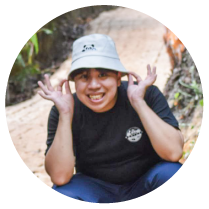
 

Although long and arduous, I have also come to appreciate literature reviews as it aids in finding gaps in existing bodies of knowledge. The Central Library's Singapore-Malaysia collection, where I've spent months researching, has been an extremely valuable source of references which were necessary for my research on Singapore's Southern Islands and the Orang Laut people. Additionally, I fell in love with microfilm sources during the process!


Additionally, with the funding provided through this fellowship, my research project became a more smooth sailing one as it helped offset the costs of monetary compensation for the people helping to scout for interview subjects, translation and transcription costs.


Of course, this fellowship did not come without its set of challenges. In my research on the histories of the islands of Pulau Semakau and Pulau Seking, one limitation I faced was the lack of sources to address knowledge gaps during the literature process. Archival and academic sources may be heavily skewed to one island over the other, giving rise to an incomplete understanding of the islands' histories. This problem highlights the need to admit that knowledge production is not a straightforward process, and existing knowledge can never be perfect.


What is perhaps the biggest hurdle was the immense difficulty of finding potential interviewees. As my research targeted a narrowly-defined demographic group (i.e. former residents of the Southern Islands), my scouting methods had to be narrowed down to people familiar with or part of that community. My search depended on a word-of-mouth basis. Furthermore, potential interviewees may be reluctant to sit for interviews, with one who was initially suspicious that I might exploit his narratives for gain. That incident made me rethink my viewpoint as an outsider qua researcher and reflect on my research project's potential implications, such as constructing biased understandings of these former island communities.


Despite these challenges, there was satisfaction reaped from contributing to academia in the form of a research paper and my depositories of oral interview recordings for future reference by scholars and researchers. Finally, as this fellowship has developed my research experience and a new-found fondness for microfilm sources, it opened doors for me to other research opportunities, such as my current internship at the ISEAS Yusof-Ishak Institute Library, where I am studying historical Indonesian newspapers in their microfilm collections.
Yap Yu Liang
Yu Liang is a final year History undergraduate with Minors in Religious Studies and Southeast Asian Studies. His interests lie in studying religion, and culture in Southeast Asia, especially Buddhism and Chinese religions in Singapore. In his spare time, he plays international chess and engages youths through the Scouting Movement.

Religious Philanthropy in a Global City-State: A History of the Singapore Buddhist Free Clinic, 1969-2019

Yu Liang's honours thesis traces the institutional history of the Singapore Buddhist Free Clinic (SBFC) from 1969 to 2019. By studying the evolution of the SBFC against the wider context surrounding the government’s social-welfare policies and developments in the healthcare sector, the thesis argues that the key to the success of the SBFC rested on its ability to function as an organisation that identified and actively responded to the gaps in the government social and healthcare policies while using Buddhist principles of compassion as their moral and spiritual backing to raise financial and social support for the organisation. Overall, his thesis hopes to provide a foundation for future studies of Buddhist and religious philanthropy in Singapore.

Mentor

Nur Diyana

Nur Diyana Binte Abdul Kader

Librarian (Research Librarian – HASS)

Yu Liang: "The fellowship provided a wealth of resources and mentorship from librarians which pushed my Honours Thesis to the next level."


I'm very grateful to have the opportunity to be a part of the inaugural NUS Undergraduate Research Library Fellowship. The fellowship provided a wealth of resources and mentorship from librarians which pushed my Honours Thesis to the next level.


The librarians from NUS libraries were very helpful in the initial phase of my research as they were able to direct me to library collections and materials that were relevant to my research project. Of which, I had the privilege of accessing A/P Ngiam Tee Liang's collection which he left behind with the library after his retirement. His collection gave me the perspective of a person who was greatly involved with in the development of social policies. This gave me the insight to shift the focus of my HT as I adjusted my time period of study to include developments in Singapore in the 1990s onwards.


I also made extensive use of the library collections such as the Singapore-Malaysia Collection and the Chinese in Southeast Asia Collection. The latter collection had materials such as Buddhist periodicals and anniversary publications that were key primary materials in my thesis.


Overall, I have benefitted immensely from this fellowship programme due to the strong relationship between librarians and researchers. I urge fellow undergraduates to apply for this programme.


Opening Hours

MORE OPENING HOURS

Central Library

09:00 AM - 09:00 PM

Not Crowded (2%)
Occupancy 2%

C J Koh Law Library

09:00 AM - 09:00 PM

Not Crowded (1%)
Occupancy 1%

Hon Sui Sen Memorial Library

08:00 AM - 10:00 PM

No Data

Library@BTC

08:00 AM - 06:00 PM

No Data

Medicine+Science Library

09:00 AM - 06:00 PM

Not Crowded (2%)
Occupancy 2%

Music Library

09:00 AM - 06:00 PM

Not Crowded (12%)
Occupancy 12%
Not Crowded (8%)
Occupancy 8%

Central Library

09:00 AM - 09:00 PM

Occupancy 2%

C J Koh Law Library

09:00 AM - 09:00 PM

Occupancy 1%

Hon Sui Sen Memorial Library

08:00 AM - 10:00 PM

No Data

Library@BTC

08:00 AM - 06:00 PM

No Data

Medicine+Science Library

09:00 AM - 06:00 PM

Occupancy 2%

Music Library

09:00 AM - 06:00 PM

Occupancy 12%
MORE OPENING HOURS
This site uses cookies

By clicking accept or continuing to use this site, you agree to our use of cookies. For more details about cookies and how to manage them, please see our Privacy Notice.