Symposium on Membranes: Beyond Barriers, Toward Scalable Solutions, 24 September 2026
We were pleased to host the Symposium, “Membranes: Beyond Barriers, Toward Scalable Solutions,” on 24 September 2026 at the National University of Singapore.
Organised by the NUS Environmental Research Institute (NERI) in support of NUS Sustainability Connect, the symposium brought together researchers, government agencies, industry experts, and practitioners to exchange ideas, explore emerging innovations, and discuss how membrane technologies can be translated into scalable solutions for water, energy, and environmental applications.
We were honoured to have Professor Low Teck Seng, Senior Advisor, Office of the President, NUS, deliver the opening address, setting the tone for a thoughtful and forward-looking conversation on the role of research and innovation in addressing sustainability challenges. We also extend our appreciation to Dr Gurdev Singh, Chief Engineering and Technology Officer, PUB, Singapore’s National Water Agency, for his keynote address, which offered valuable perspectives on advancing membrane technologies for real-world impact.
The symposium featured engaging oral presentations from experts across academia and industry:
- Dr Hiroshi Noguchi, Meiden Singapore Pte. Ltd.
- Dr Ho Jia Shin, Gradiant International Holdings Pte Ltd
- Professor Tang Chuyang, Director, NUS Environmental Research Institute
A lively panel discussion, chaired by Professor Tang Chuyang, further deepened the conversation, with experts from NUS, PUB, Meiden and Gradiant sharing perspectives on innovation, deployment, and the path toward scalable membrane-based solutions.
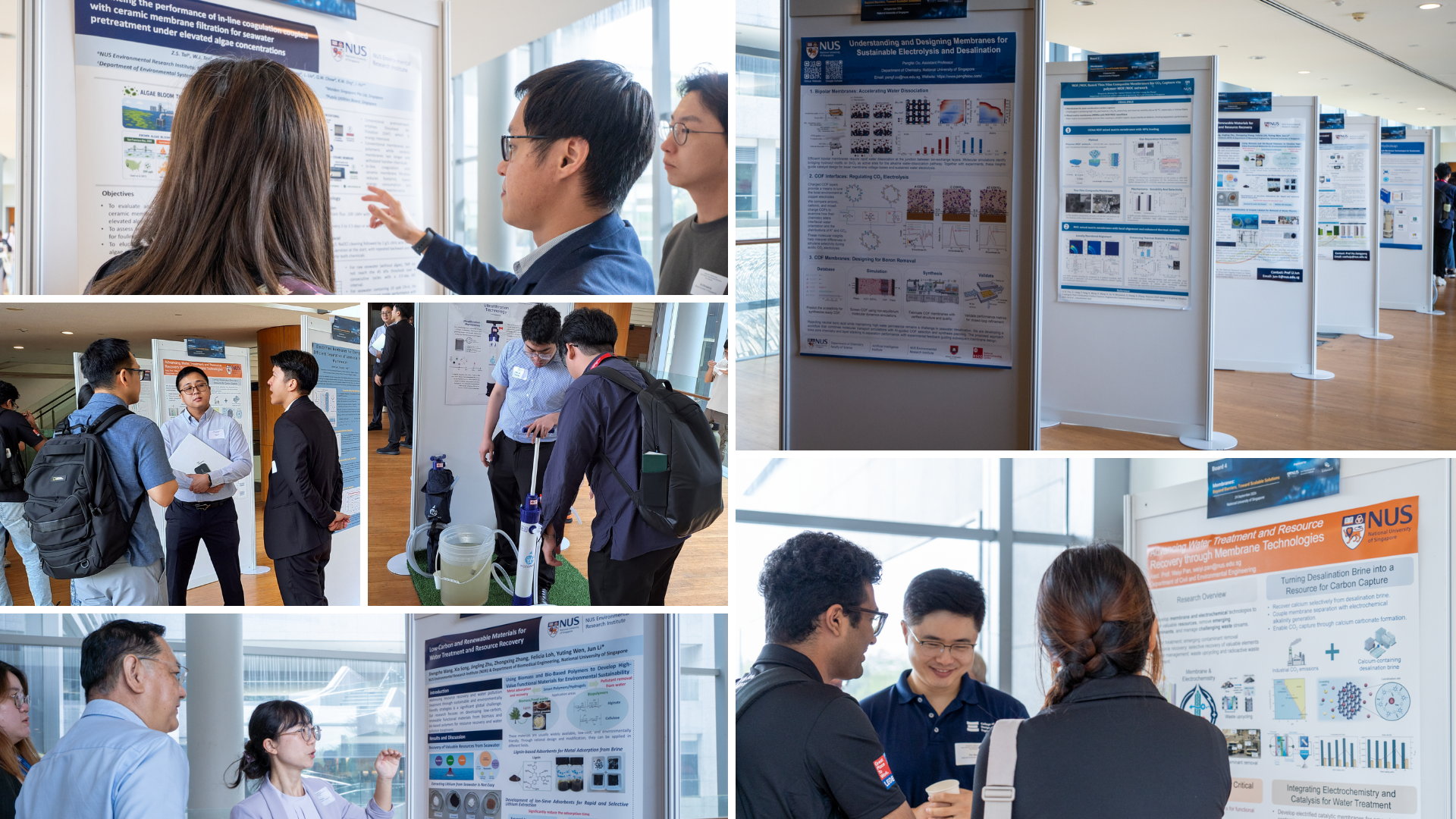
The event also included a poster session showcasing exciting work from NUS, Hydroleap, and Wateroam, highlighting a wide spectrum of research and translation efforts — from seawater pretreatment and desalination to carbon capture, selective ion separation, resource recovery, and water access solutions for rural and disaster settings.
We thank all speakers, panellists, poster presenters, and participants for contributing to a meaningful exchange of ideas and for helping to strengthen connections across the research, industry, and public sectors.
As membrane technologies continue to evolve beyond their traditional role as barriers, conversations like these are essential in shaping the next generation of scalable, high-impact solutions for a more sustainable future.
More information on the Symposium is available [here]
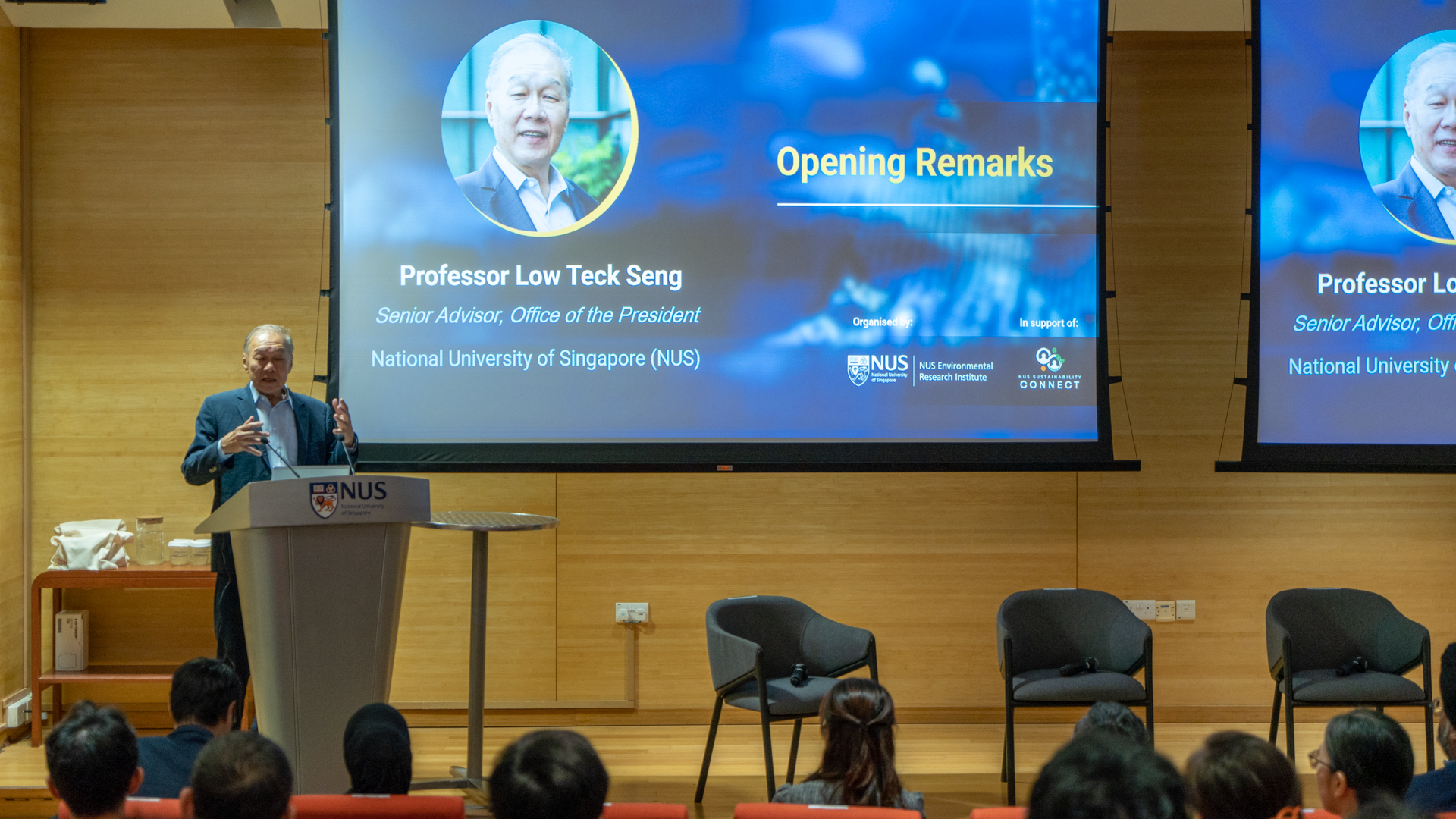
Opening Remarks by Professor Low Teck Seng, Senior Advisor, Office of the President, National University of Singapore
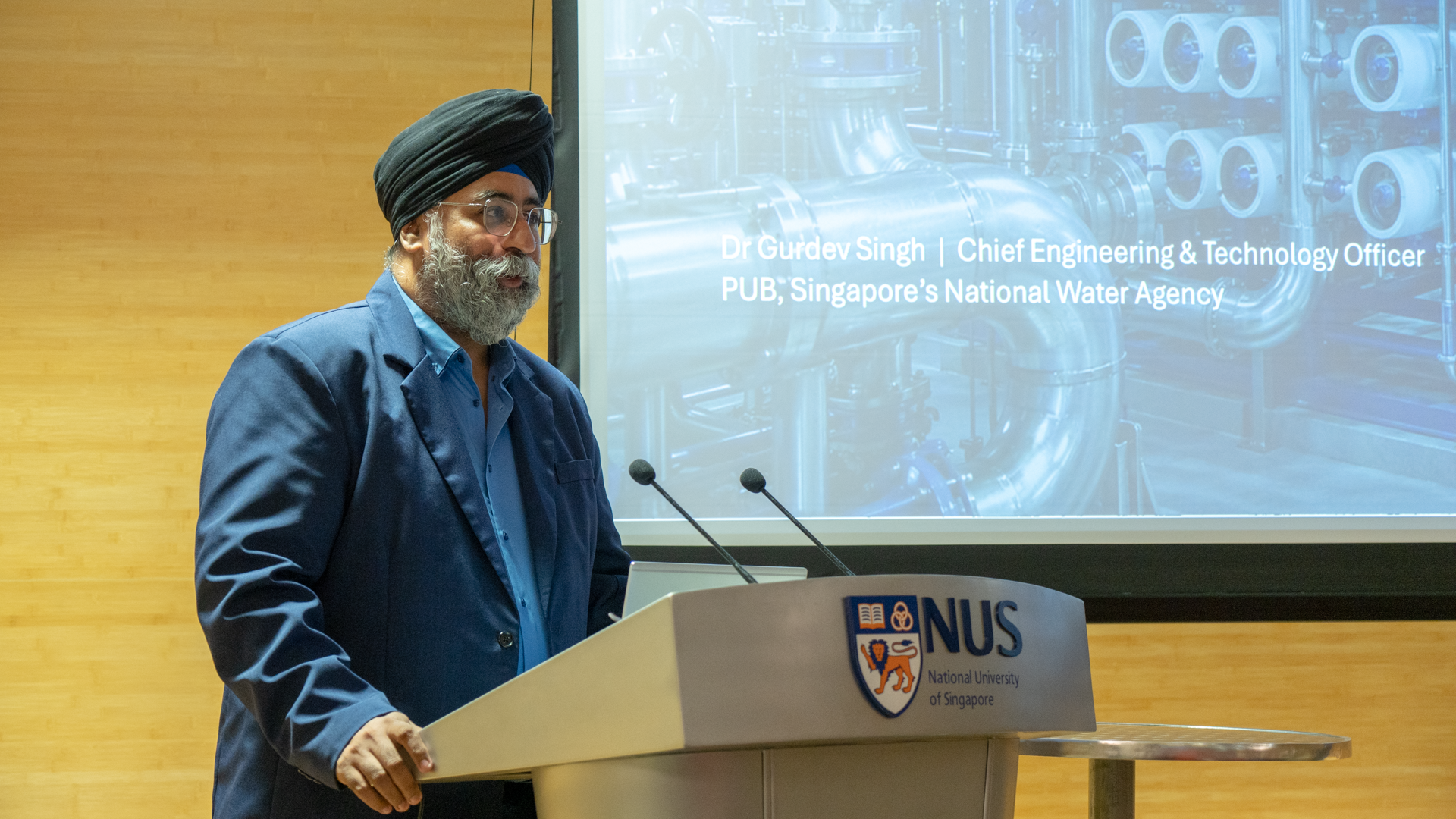
Keynote Address by Dr Gurdev Singh, Chief Engineering and Technology Officer, PUB, Singapore’s National Water Agency
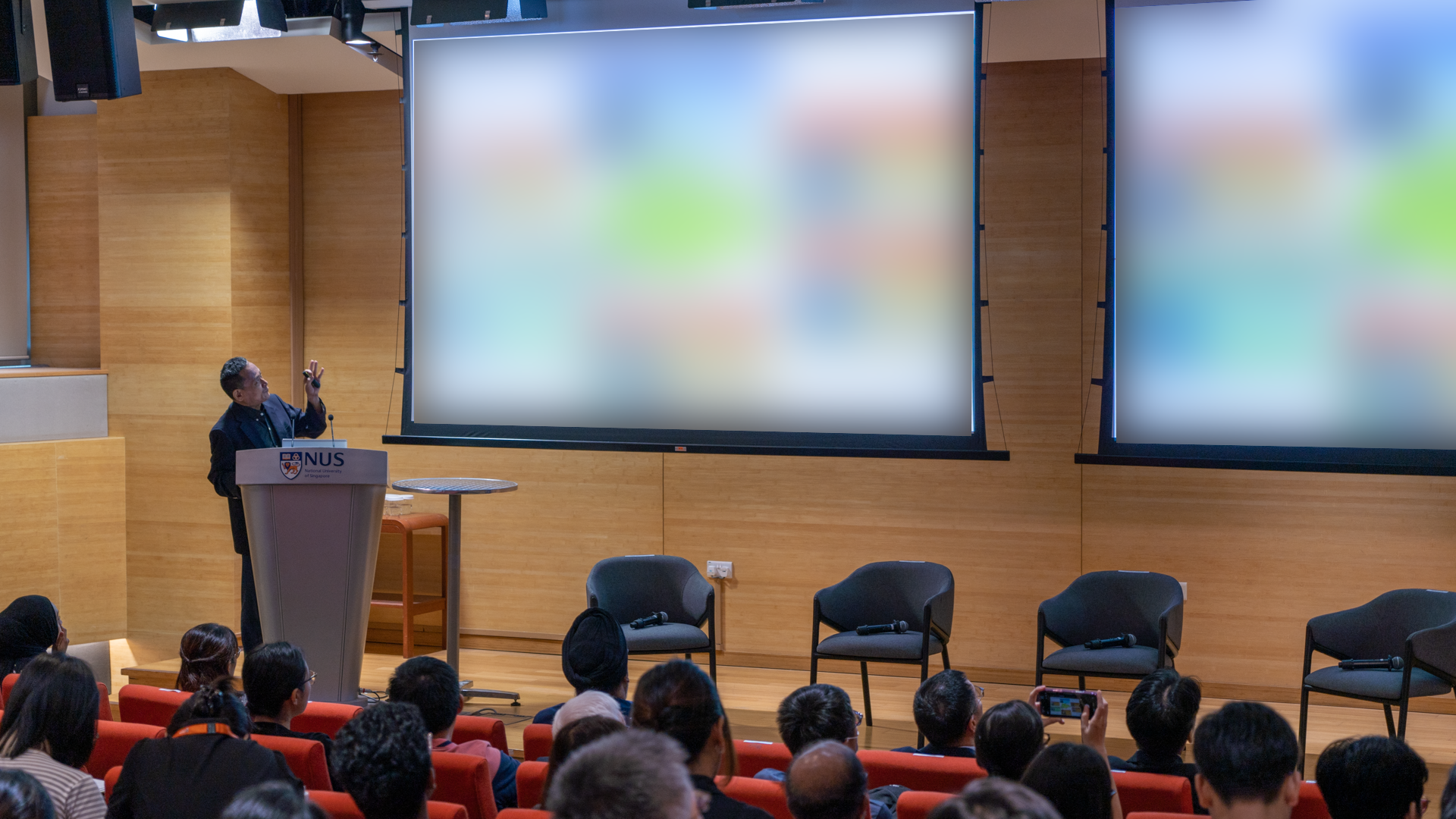
Application of Flat-Sheet Ceramic Membrane for Pre-Treatment of SWRO by Retrofitting into a DAF System by Dr Hiroshi Noguchi, Head of Membrane & Water Technology R&D Centre, Meiden Singapore Pte Ltd
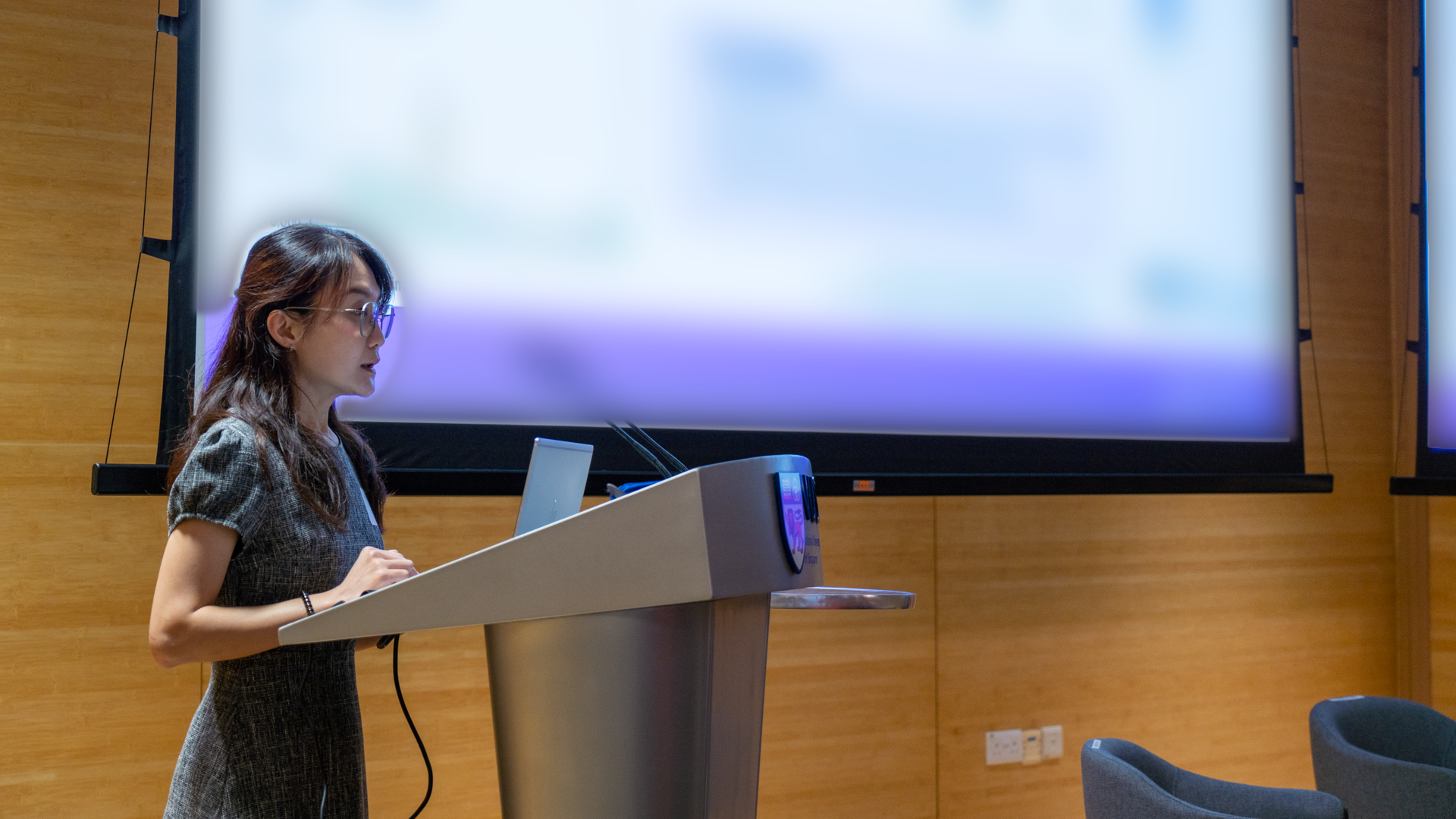
Novel Low Energy Seawater Desalination Solutions Empowered with SmartOps – A PUB Demonstration Plant Case Study by Dr Ho Jia Shin, New Product Initiative (NPI) Manager, Gradiant International Holdings Pte Ltd
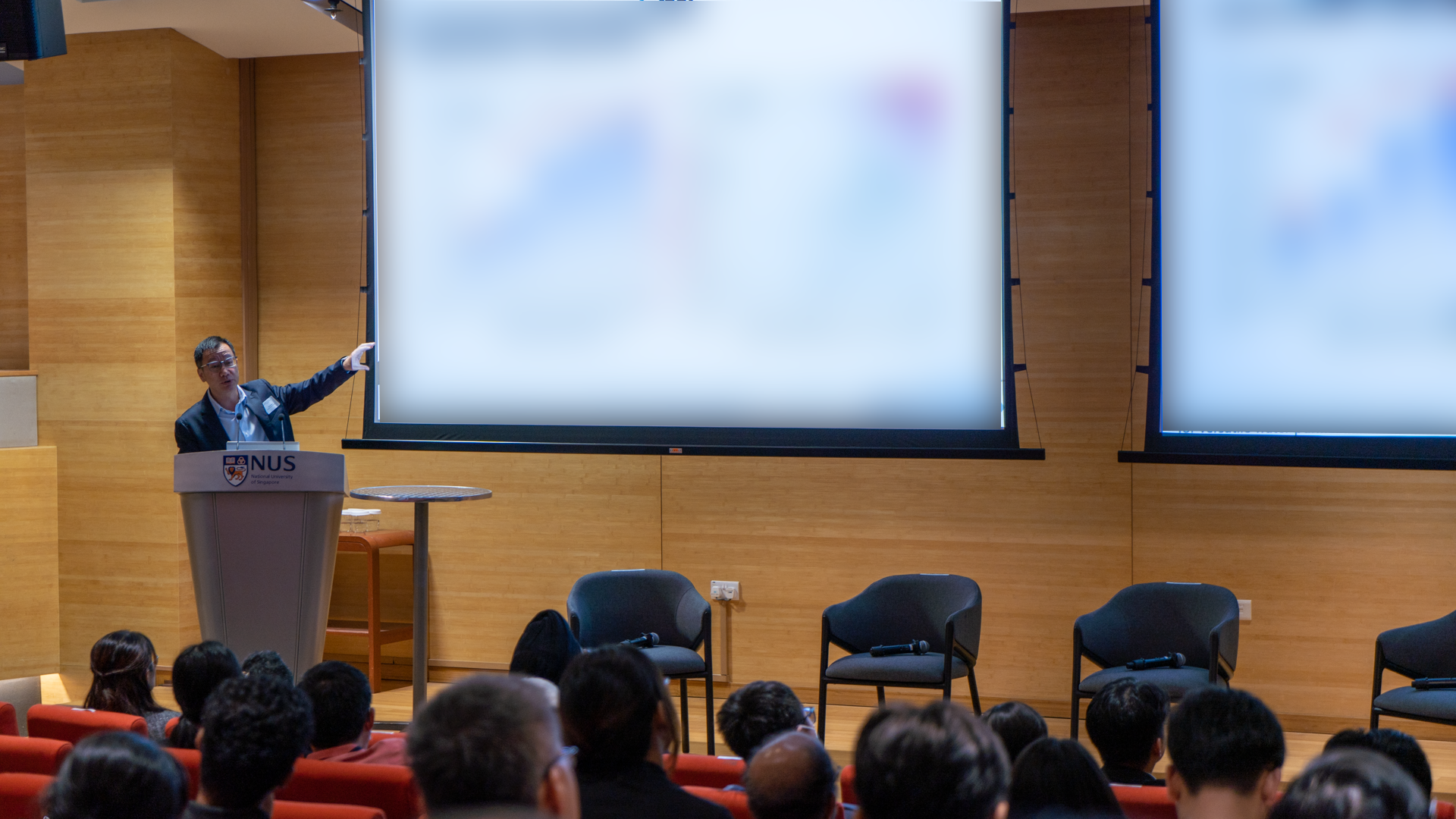
Beyond the Trade-Off: Ushering in a New Era of Ultra-Permeable and Ultra-Selective Membranes by Professor Tang Chuyang, Director, NUS Environmental Research Institute (NERI)
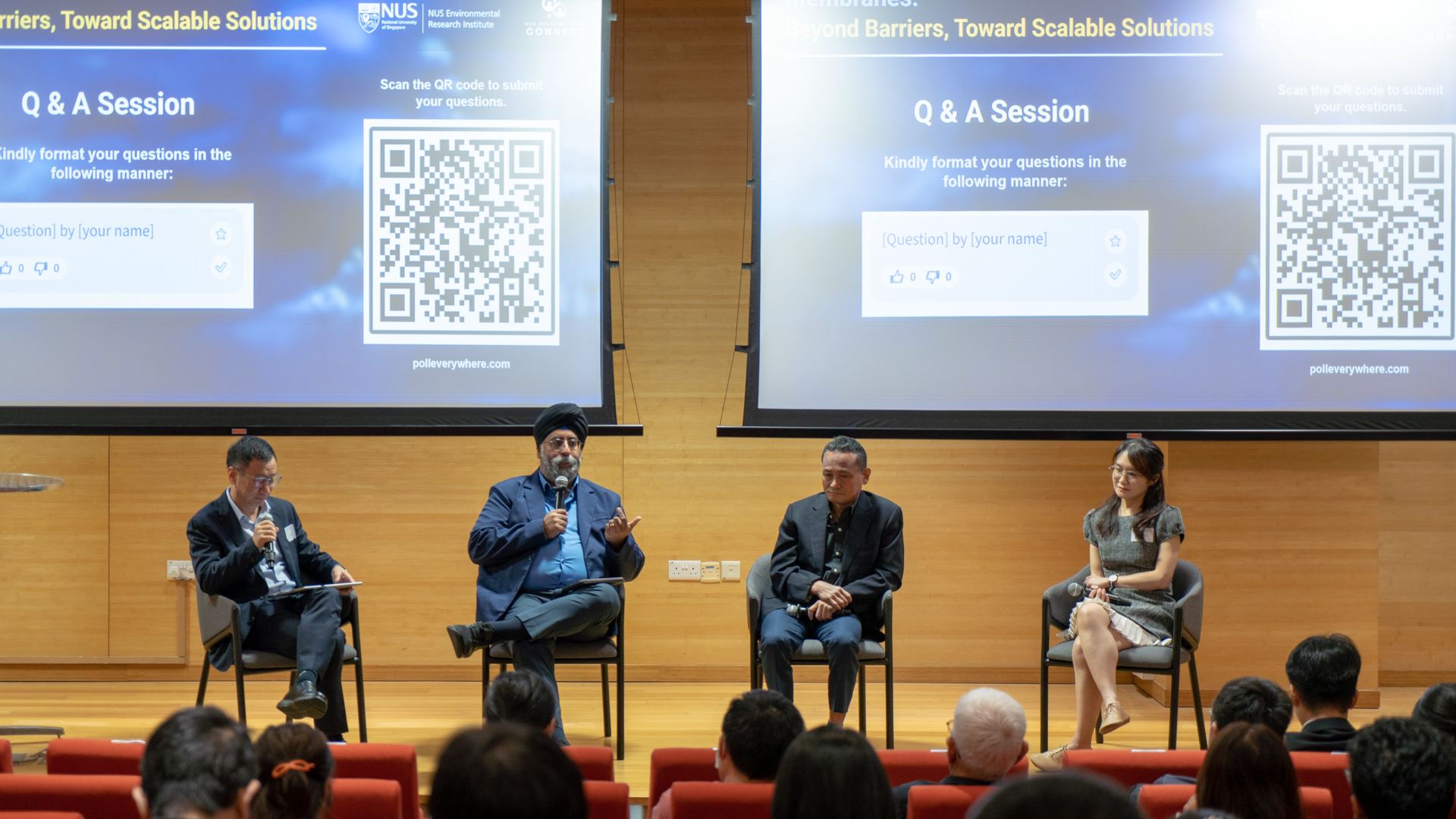
Panel Discussion