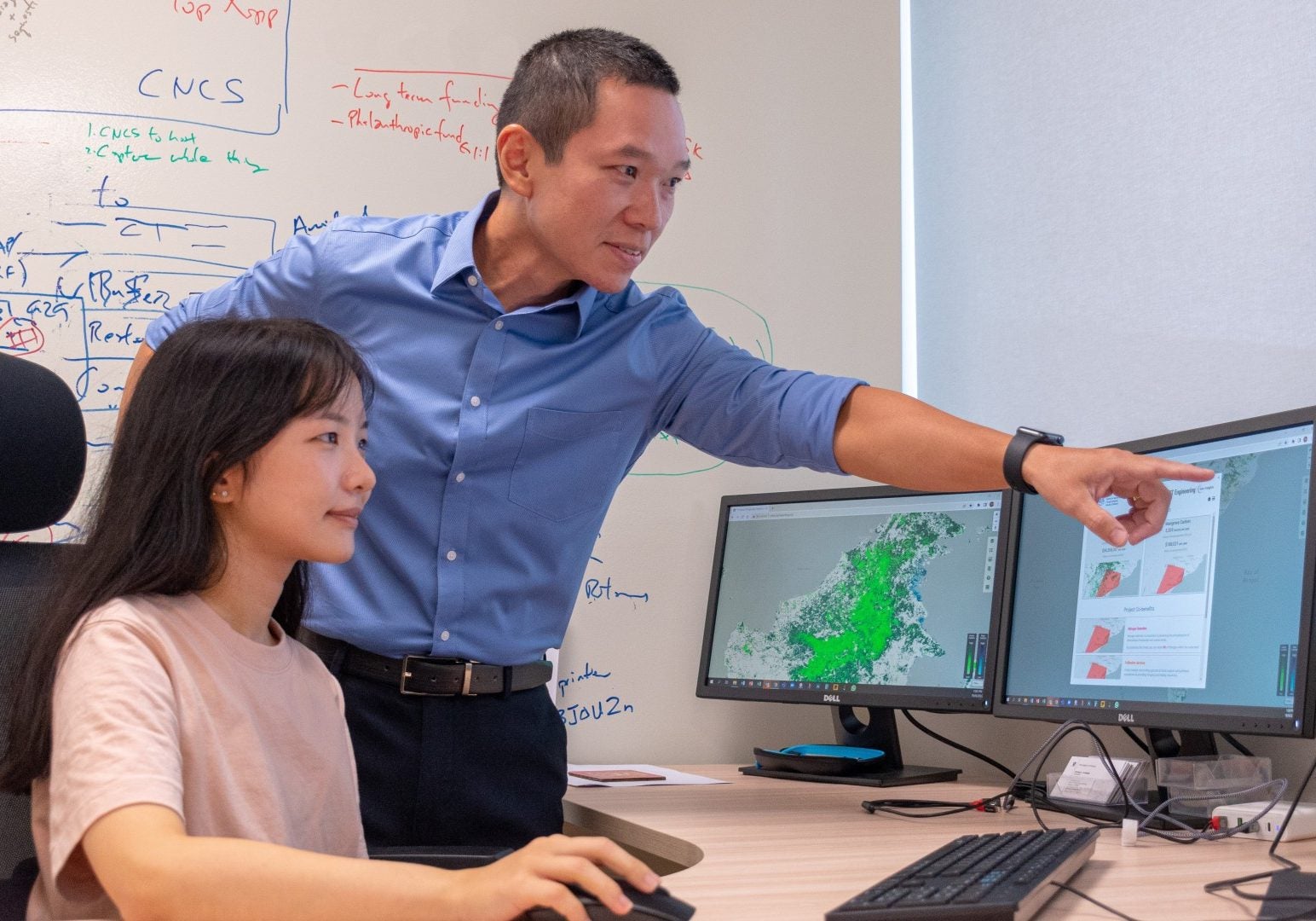
At CNCS, we believe that lasting impact on climate and biodiversity can only be achieved through collaboration. Our partnerships span the people, public and private sectors, alongside regional neighbours, amplifying the reach and effectiveness of our research.
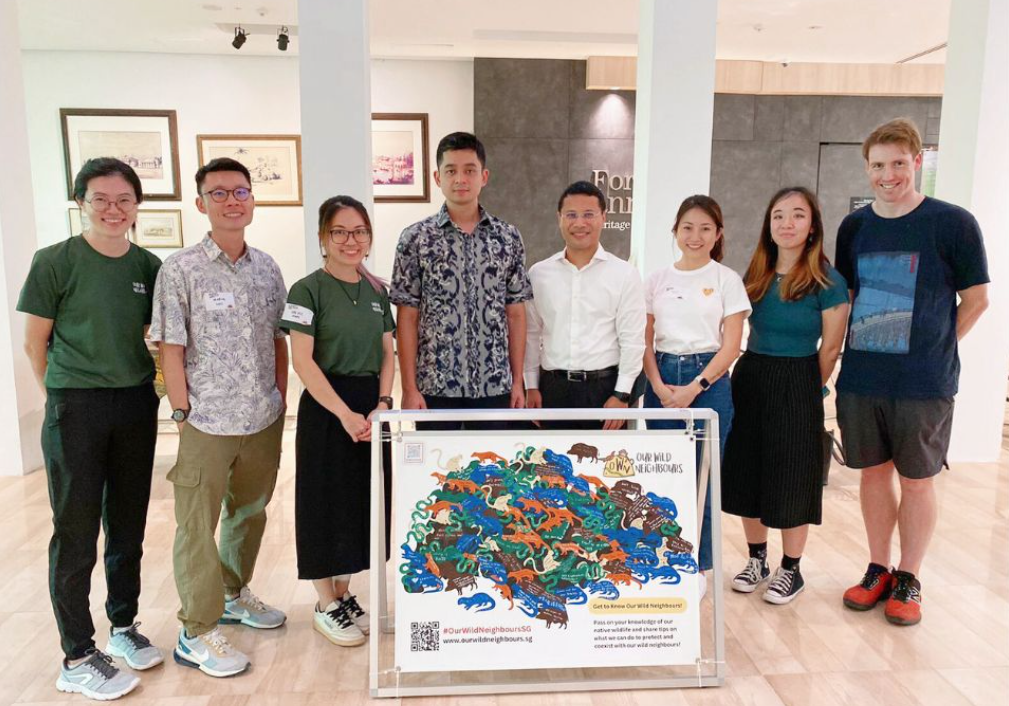
People & Philanthropy
Engaging communities and empowering future leaders
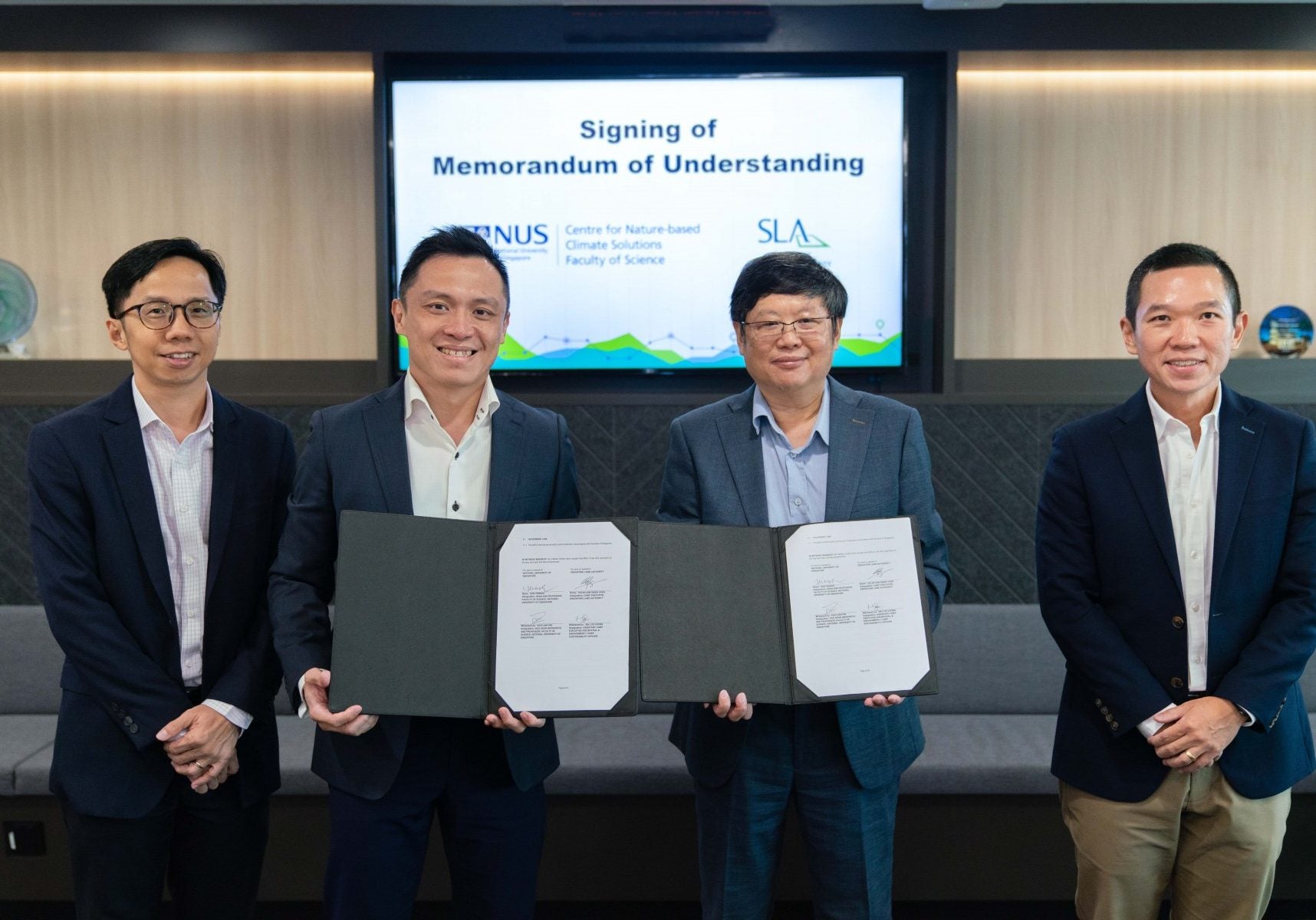
Public Sector
Working with governments for policy and implementation
Private Sector
Co-creating innovation and scaling solutions
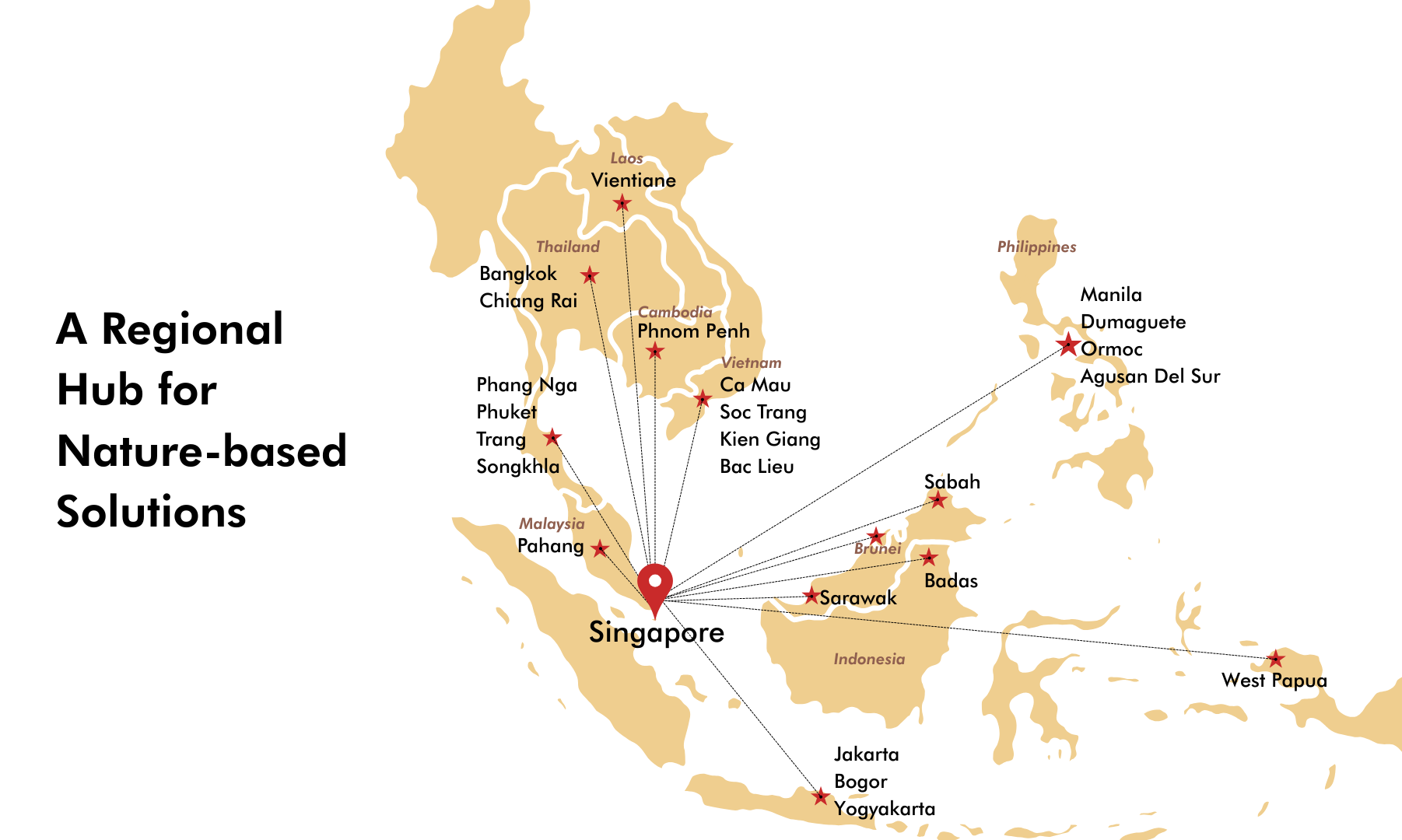
Our collaborative research efforts span 25 cities in 8 countries, ensuring that our solutions are locally informed and regionally impactful. By uniting expertise and resources, we create meaningful change and advance sustainability throughout Southeast Asia.
Featured Collaborations
Carbon Integrity Singapore (CISG)
Key Partners:
Energy Development Corporation (EDC)
National Research and Innovation Agency (BRIN), Indonesia
National University of Laos (NUL)
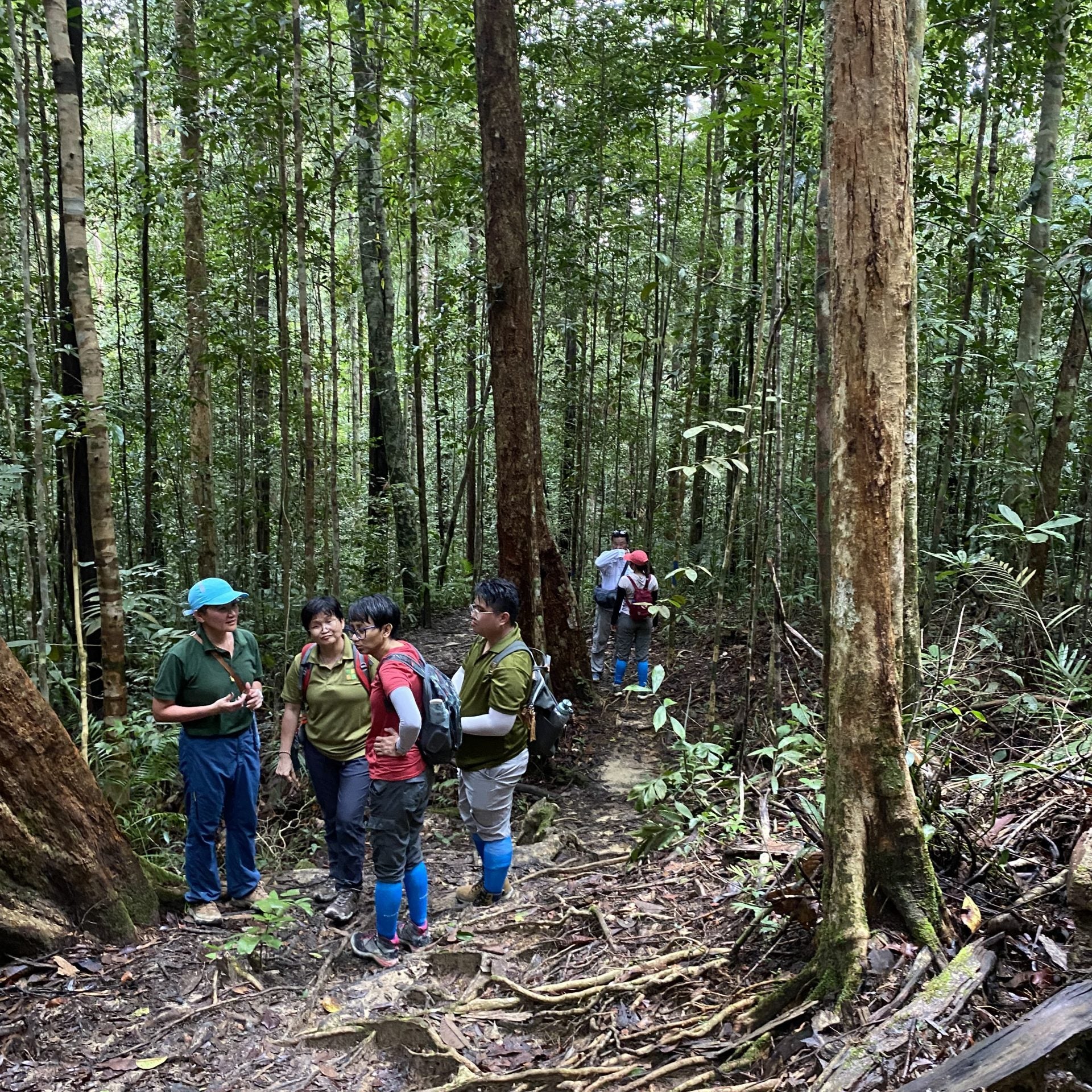
Carbon Integrity Singapore (CISG) is a national research initiative funded by the Singapore Government to improve the credibility and integrity of nature-based carbon projects in Southeast Asia. Its aim is to develop reliable and scalable methods for measuring and verifying aboveground carbon stored in forests, peat swamps, and mangroves, so that projects such as forest protection and reforestation can deliver transparent and trustworthy carbon credits.
To achieve this, CISG integrates remote sensing data—including optical, SAR, and LiDAR—with field measurements and advanced machine learning to produce accurate, regionally relevant estimates of aboveground carbon across Southeast Asia’s diverse ecosystems.
Understanding the Opportunities and Constraints of Green and Grey Infrastructure
Key Partner:
Quantedge Advancement Initative
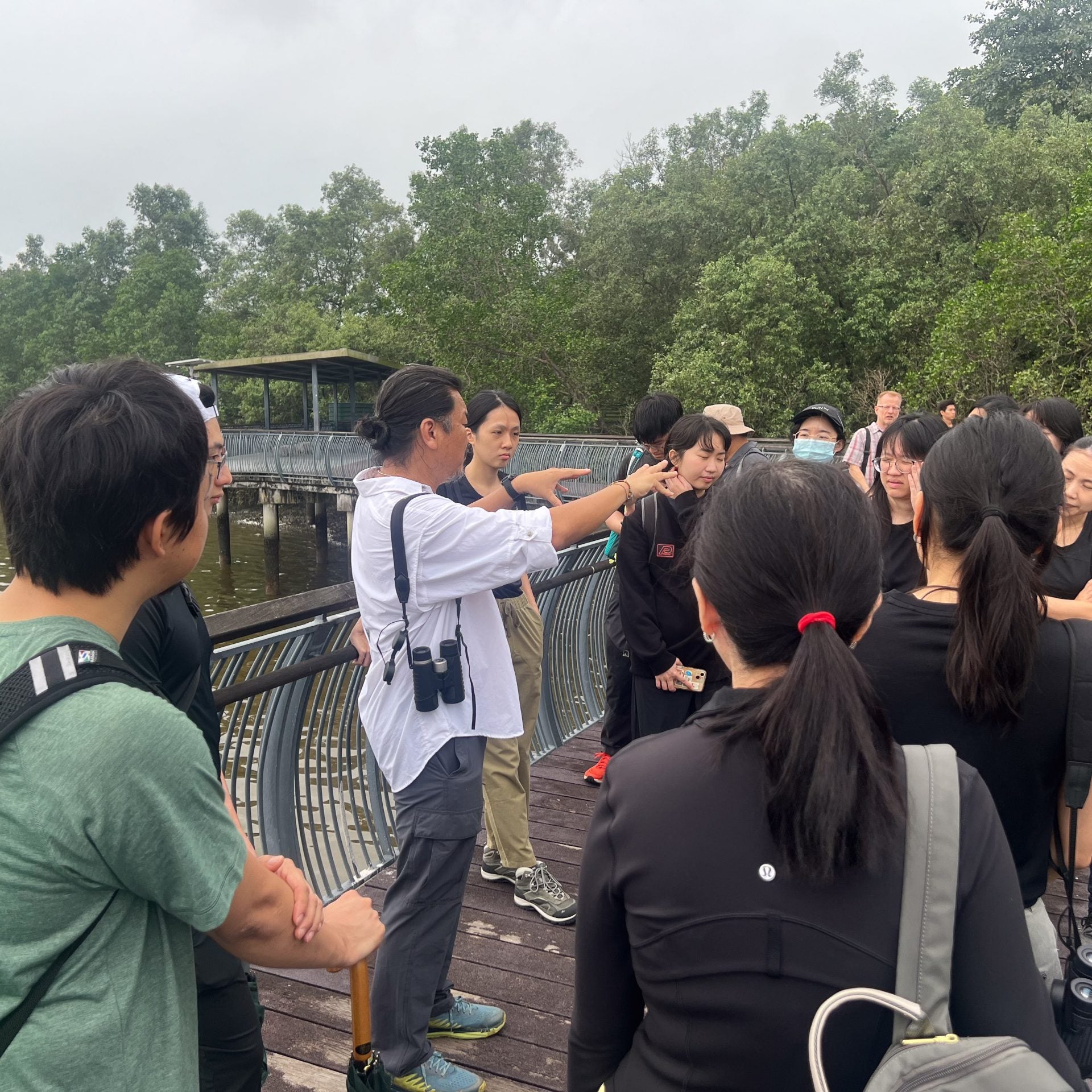
Southeast Asia faces serious climate risks, with rising seas and extreme weather threatening coastal communities. While traditional “grey” solutions like seawalls are common, there is increasing interest in natural “green” and hybrid "green-grey" approaches for coastal protection and climate resilience.
This research project, supported by the Quantedge Advancement Initiative, aims to generate key insights and tools for policymakers to evaluate where nature-based adaptation can effectively supplement or replace traditional defences. The project seeks to develop a regional framework that maximises the strengths of both grey and green infrastructure in adapting to and mitigating climate change.
Enhancing Regional Blue Carbon Databases for Scalable Solutions
Key Partner:
Temasek Foundation
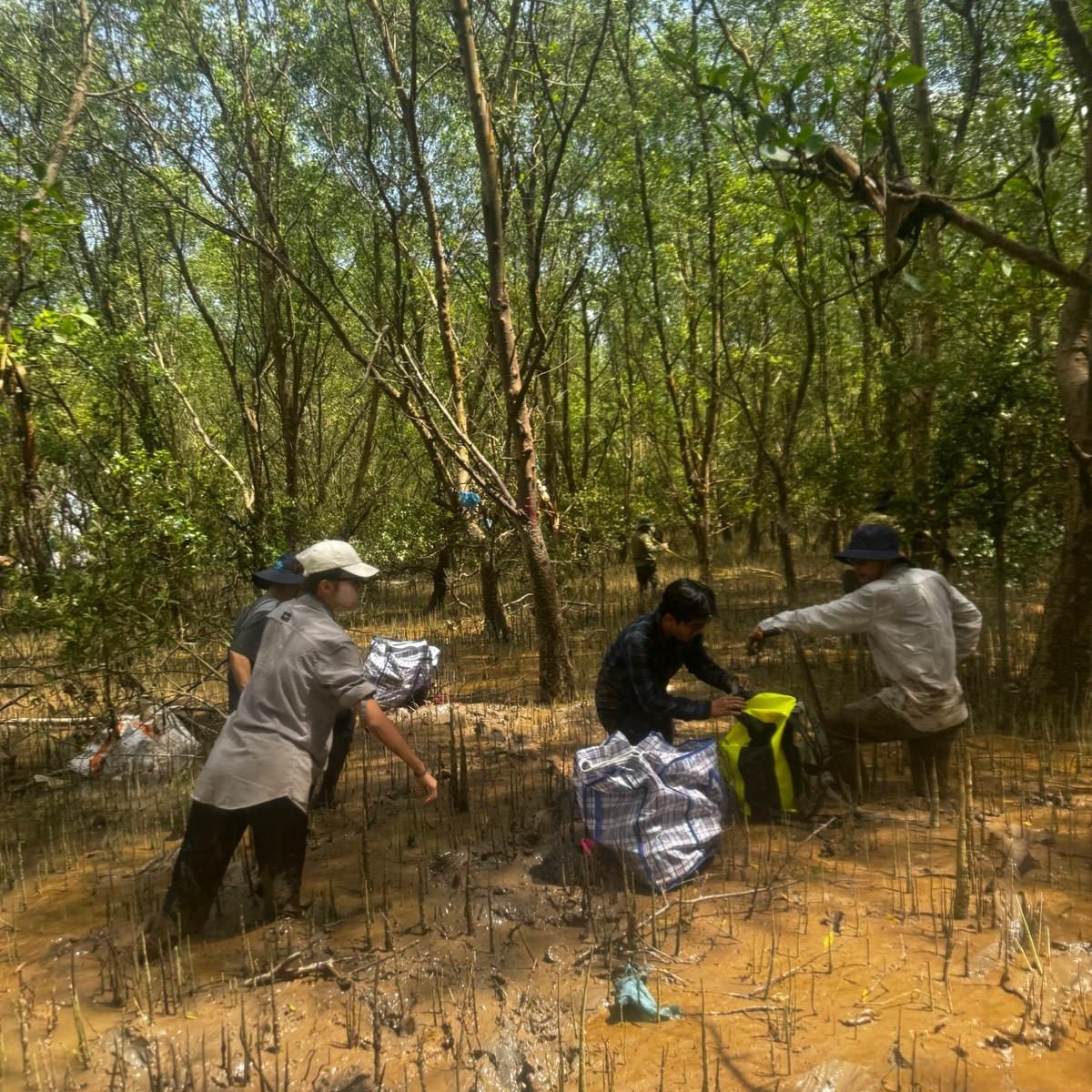
Supported by a S$3 million gift from Temasek, the NUS-Temasek Blue Carbon Project advances research on blue carbon ecosystems as nature-based climate solutions in Southeast Asia. Over five years, it will use traditional and novel monitoring methods for building a comprehensive database of regional blue carbon stocks to help guide conservation priorities and climate mitigation efforts.
The project works closely with public and private partners from Southeast Asia, Australia and the USA to ensure findings are robust to inform policy, management, and investment. By developing improved methods for carbon monitoring and verification, the project supports large-scale, evidence-based climate strategies.
Impact Beyond Borders: Ongoing collaboration with Mae Fah Luang Foundation, Thailand
Key Partner:
Mae Fah Luang Foundation
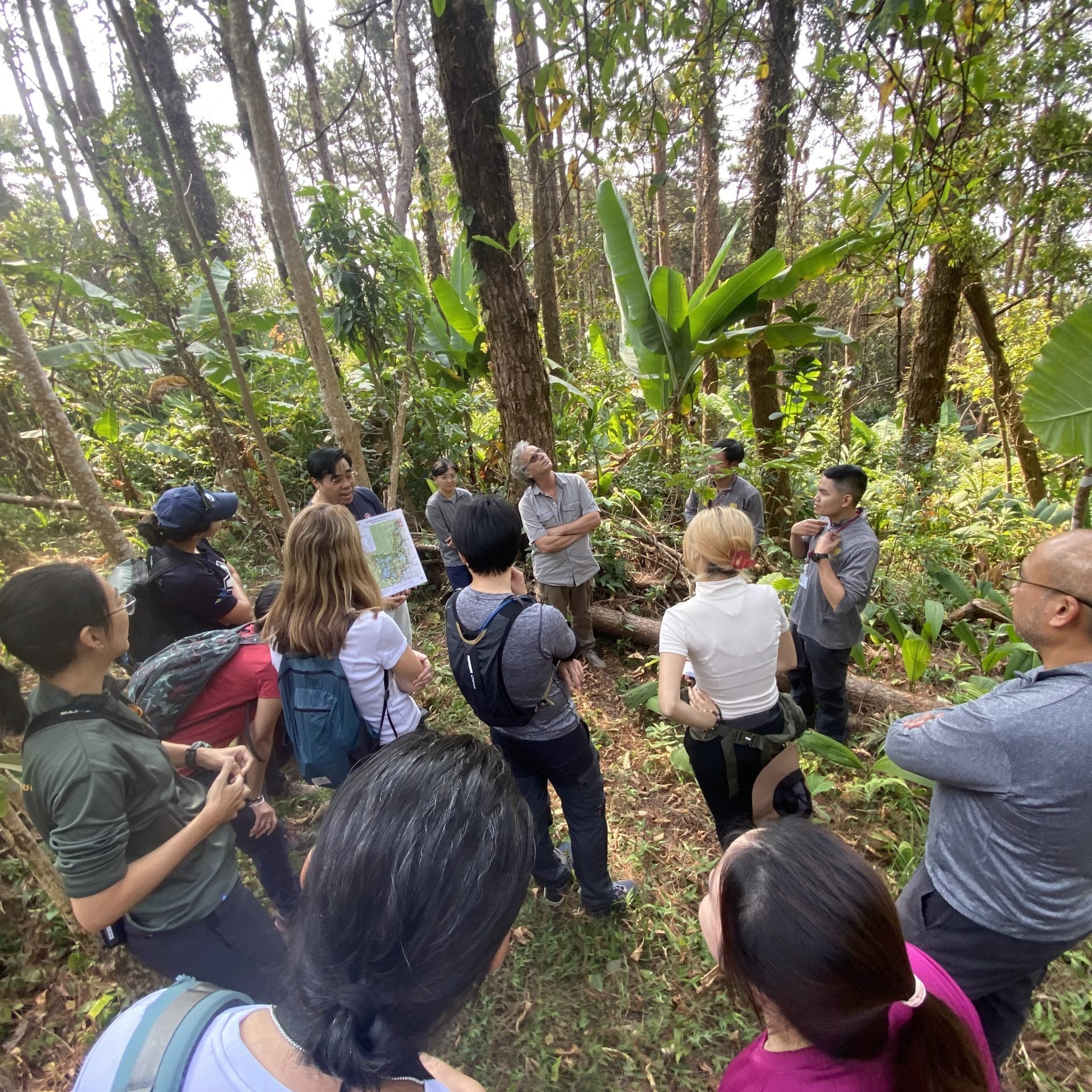
In partnership with the Mae Fah Luang Foundation in Thailand, this project advances biodiversity discovery and monitoring in reforested former opium fields, using technologies like satellite imagery, drones, bioacoustics, and eDNA sampling. The collaboration delivers more comprehensive biodiversity data, guiding effective forest ecosystem restoration in the Golden Triangle.
This regional partnership sets a benchmark for scalable, transparent monitoring and highlights the importance of cross-border collaboration for impactful climate solutions in Southeast Asia.
Carbon Estimation and Effects of Human Disturbance on Tropical Peatlands
Key Partners:
Universiti Brunei Darussalam (UBD)
Singapore-Massachusetts Institute of Technology Alliance for Research and Technology (SMART)
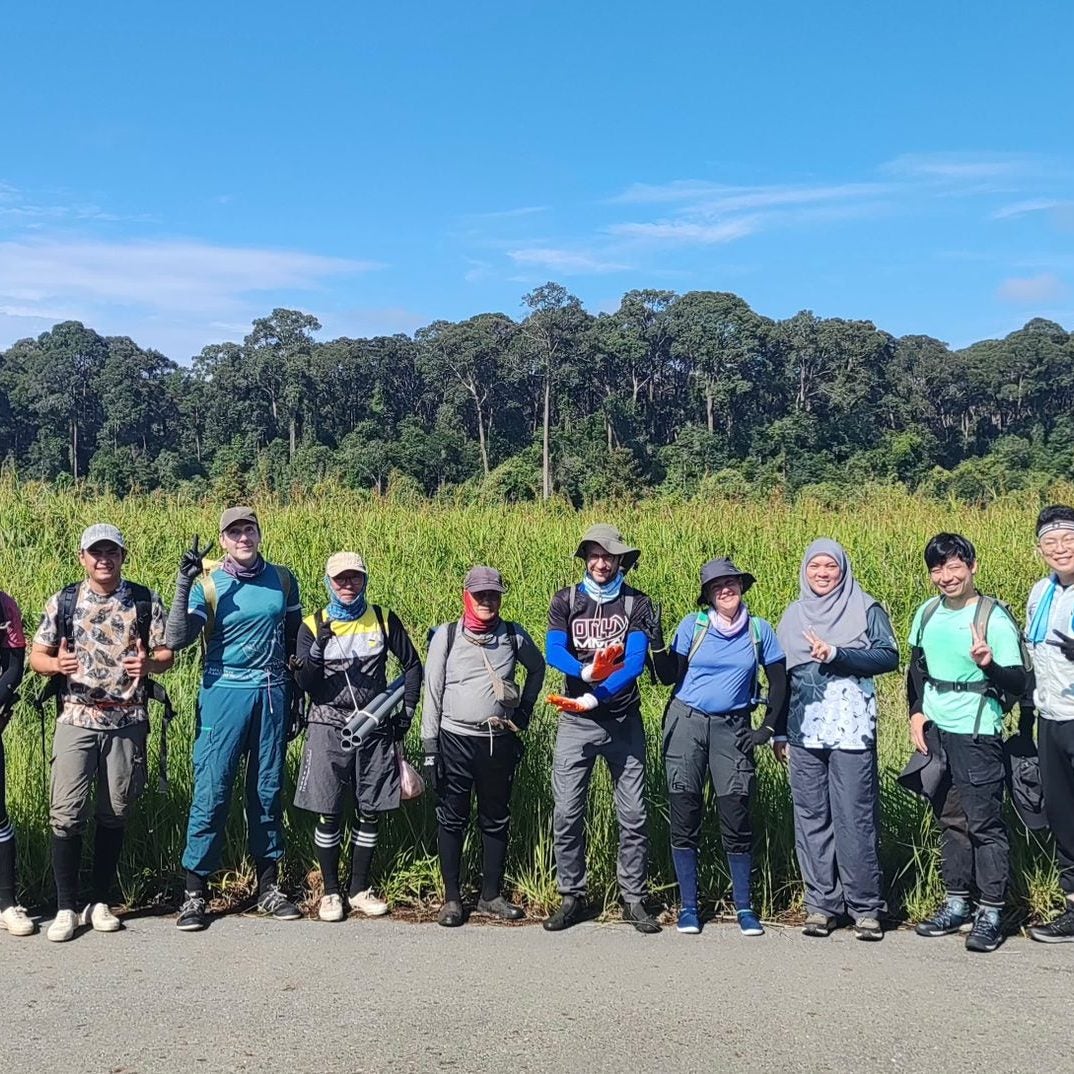
In collaboration with Nanyang Technological University (NTU), UBD and SMART, this project estimates carbon stock dynamics in a tropical peat swamp forest (PSF) using 3D remote sensing technologies. Tropical PSFs play an essential role as major carbon sinks, storing over 5.5% of the terrestrial carbon in 0.3% of the land surface area. Yet, PFSs are under threat from human activities such as agriculture and infrastructure expansion, becoming a net carbon source.
High-resolution 3D remote sensing observations, like forest structure and topography, can better estimate and track changes of above- and below-ground carbon storage in intact, disturbed and restored tropical PSFs. Collectively with digital technologies, this work will answer fundamental ecological questions that will enhance protection, conservation, and restoration strategies for tropical PSFs.
Singapore Forest Carbon Accounting
Key Partner:
HSBC
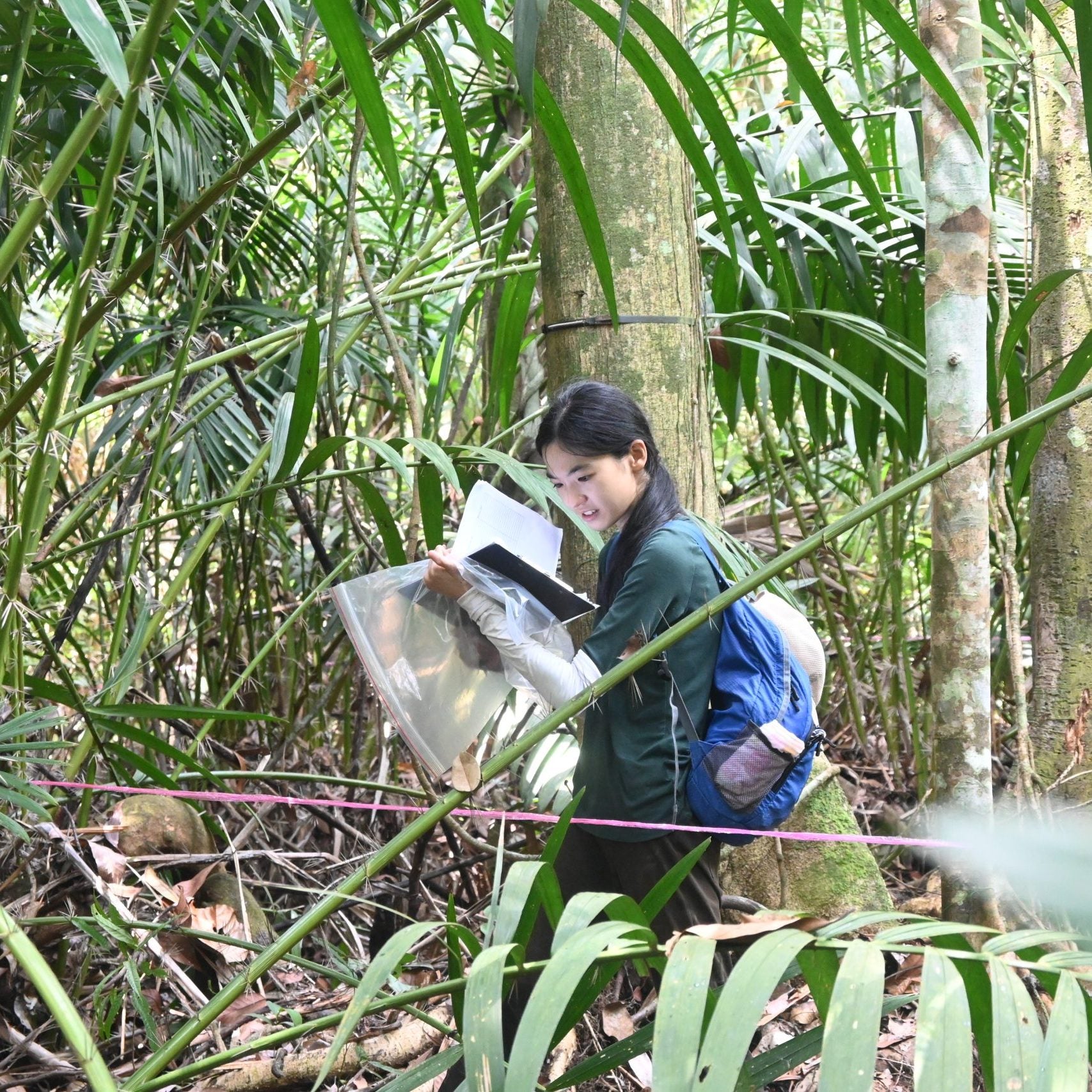
Supported by HSBC and in collaboration with NParks and SLA, this project developed advanced, technology-driven methods to improve carbon estimation and strengthen the credibility of nature-based climate solutions.
By combining field-based forest measurements with remote sensing techniques such as LiDAR, ecosystem-specific models for carbon density were created across Singapore’s primary, secondary, swamp, and mangrove forests. These models enabled the production of detailed carbon density maps tailored to different forest types. This initiative also served as a pilot for the larger Carbon Integrity Singapore (CISG) regional programme.
Understanding the effect of climate change on Singapore’s forests

Key Partner:
National Parks Board (NParks)
Funded by the National Environment Agency and in collaboration with colleagues at the National Parks Board, this project aims to understand and predict the impact of climate change and associated extreme weather events on Singapore’s forest trees and forest dynamics. The team uses a combination of seed and seedling climate change experiments, microclimate measurements, quantification of anatomical and physiological traits related to water transport, and vegetation dynamic models.
Monitoring insect diversity in Singapore’s forests
Key Partners:
Lee Kong Chian Natural History Museum (LKCNHM)
Nanyang Technological University (NTU)
National Parks Board (NParks)
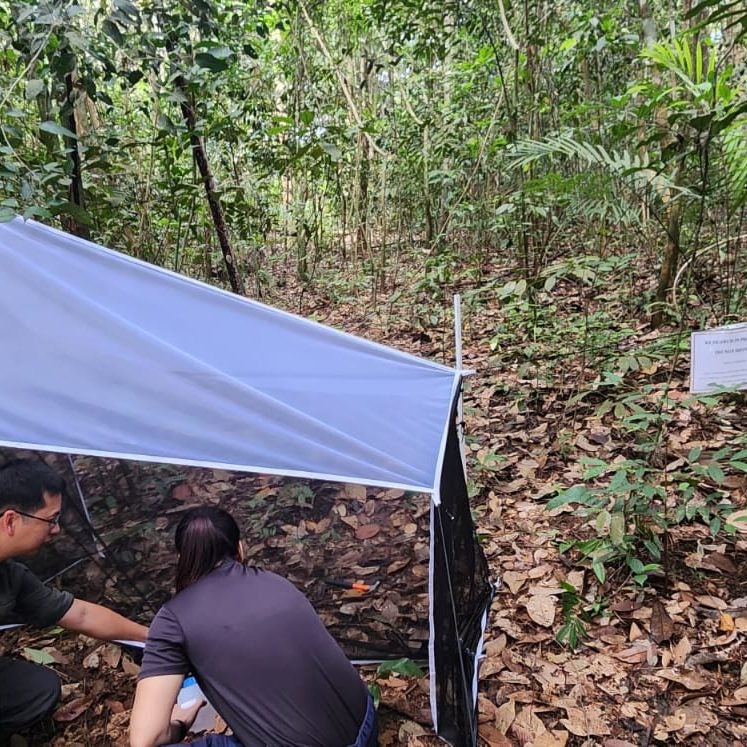
In collaboration with colleagues at LKCNHM and NTU, this project aims to quantify and characterize the insect diversity in Singapore’s forests, to better understand how they have been impacted by past land use and the site-level factors that influence it. The project uses cutting edge sequencing methods to produce rapid and accurate snapshots of insect biodiversity through time, to provide an unprecedented ecological baseline for long-term monitoring of insect populations.

Check out our ecosystem of partners here:
Partner With Us
Join our community of changemakers. Whether you’re from academia, government, business, or civil society, there’s a role for you in advancing nature-based climate solutions.
Contact our partnership team at cncs@nus.edu.sg.