
Hello! My name is Cavan, and I am a Year 4 undergraduate studying Data Science and Analytics in the Faculty of Science (FoS) at the National University of Singapore. I am also a proud resident of Residential College 4 (RC4), one of the five residential colleges under the University Town College Programme (UTCP). As part of UTCP, residents are required to complete four interdisciplinary courses in each college’s theme, where RC4’s theme focused on Systems Thinking. In Year 2 Semester 2, I was particularly drawn to UTS2717: Rethinking Ageing: Potential for Integration. Singapore is rapidly approaching “super-aged” status, where nearly one in four residents will be aged 65 and above by 2030. This course directly addressed this pressing societal challenge by providing us university students an avenue for the elders to integrate into the younger generations of society, through a rare opportunity to work alongside seniors and secondary school students in a tri-intergenerational setting. The prospect of applying RC4’s theme of systems thinking to an existing, real issue in society through direct engagement rather than simply classroom discussion compelled me to take the course.
Professor Lynette made this course truly unique, by bringing together elders from active ageing centres and Queenstown Secondary School students, creating a genuine and engaging tri-intergenerational learning environment. We learned that service learning was not about prescribing help from a position of privilege, but about listening deeply to understand the needs of stakeholders. Through multiple face-to-face interactions, we facilitated conversations between elders and youths, uncovering shared concerns and interests. These became the foundation for identifying common ground, which was crucial for building sustainable intergenerational bonds.
Going into the course, we knew that each generation carried some preconceived notions of one another. For instance, some of the youths thought that the elderly were typically rooted in their ways and thinking and are uninterested in new and modern activities, while some elders held assumptions that the youth were generally disrespectful and less empathetic. As such, the course focused heavily on practising active listening, by suspending initial assumptions and engaging with an open mind and heart to truly understand one another. Over the semester, these intentional efforts paid off. The elders were energetic, curious, and deeply engaged in every session, sharing vivid stories from their youth and participating enthusiastically in discussions. Meanwhile, the students brought an infectious energy to the group, offering spontaneous ideas, humour, and conversation starters that helped bridge generational gaps. What began as polite interactions grew into genuine friendships, as participants became more comfortable and open with one another. Through a semester of joyful, light-hearted bonding across all three generations, each tri-intergenerational group developed proposals for intergenerational activities that addressed the needs of all generations, aiming for sustainability and possible extendability to the wider community, beginning with the Health District @ Queenstown (HD@QT) estate, a multi-stakeholder (NUS, NUHS, HDB) initiative that brings together multiple partners from the public, private, and people sectors to create lasting health and social solutions with respect to the increasing ageing population.
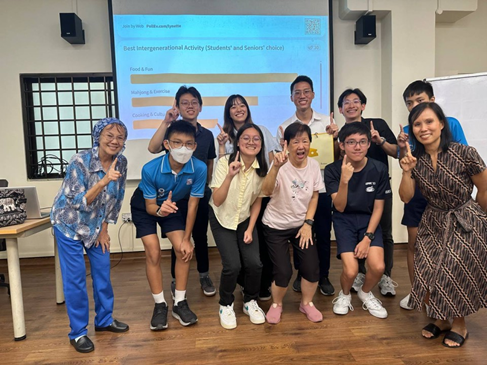
Figure 1: “Fun and Food Day” Team from UTS2717
With all these positive takeaways, I wanted to turn an idea into reality. I gathered several like-minded individuals from RC4: Jamie Toh, Tan Gian Sen and Kwok Jin Yuan, and together we sought to bring “Fun and Food Day” (also known as “FF Day”) to life. The programme’s design came directly from our interactions with the elders and the youths during UTS2717. Firstly, we found that mutual learning and simply doing an activity with one another was a need and desire across all generations. For instance, I observed several elders playing with a miniature mahjong set, and the youth were naturally curious and drawn to it. The elders taught with patience and also learnt about similar modern games such as Mario Kart on Nintendo Switch from their interactions with the youth. Thus, this became the focus of the “Fun” segment. Meanwhile for the “Food” segment, it was born through our shared love for food, something that easily crossed generational boundaries. Both the elders and the youths were especially excited when talking about the foods that were popular during their time, and these conversations often led to stories, laughter and deeper connections. I vividly remember a playful argument between all three generations about our favourite fried carrot cake place, with some of the youths not even knowing what it was! With these as our building blocks, we proceeded to work together to iron out the details to make “FF Day” a reality.
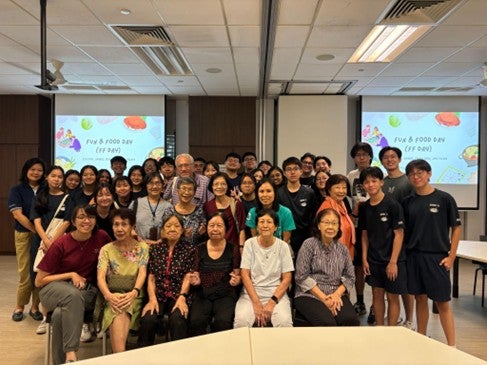
Figure 2: Group photo of all participants in FF Day
With the help of Professor Lynette, we invited all the former participants of UTS2717, both the elders and youth, so that they could partake in the activity that they hugely contributed to ideating. In addition, we also promoted our activity to RC4 and received overwhelming support with 15 residents volunteering to partake in this trigenerational bonding activity. In total, we had an overwhelming support of 40 participants and volunteers on FF day!
In the “Fun” segment, we decided to use RC4 as the hosting venue given our plethora of resources and venues, and set up many different activity booths for the participants to partake in. These activities were carefully curated to ensure it was suitable for all ages, whilst having an element of mutual learning. After everyone had their fill of physical and mental activities, we moved onto the “Food” segment. We provided catered buses to bring the participants to several hawker centres around Health District @ Queenstown, and gave each participant a $10 budget to subsidise their expenditure, to allow them to eat to their heart’s content. Throughout the day, our volunteers captured the precious moments of interactions occurring between the generations, and personally helped design posters for each group to commemorate this special day.
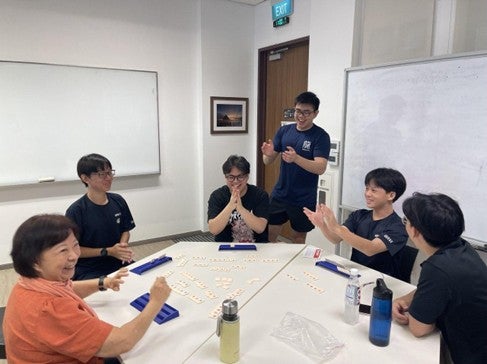
Figure 3: “Fun” segment with participants playing Rummikub
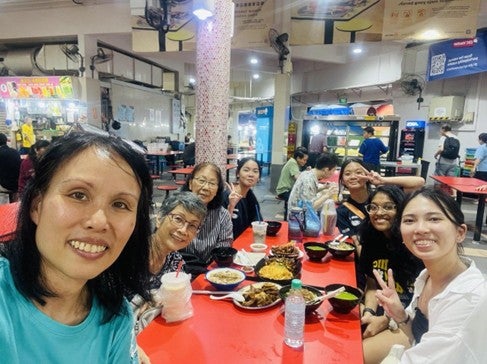
Figure 4: “Food” segment with participants and their spread of local food
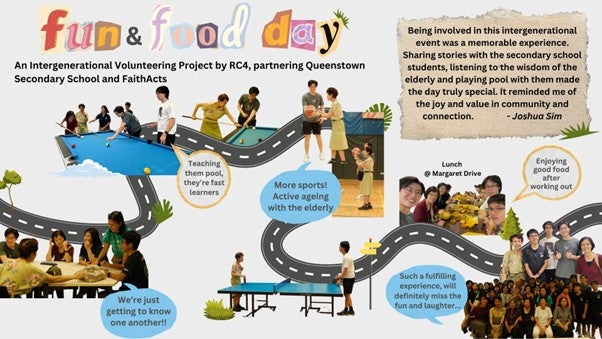
Figure 5: FF Day Poster done by RC4 volunteer Joshua
When “FF Day” finally came to an end, I found myself reflecting on the journey that began with UTS2717. More than just an event, it was a learning process that reshaped how I understood service learning, not as offering help from above, but as listening, learning, and building alongside others. Through my interactions with both the elders and the youths, I learnt that ageing actively and meaningfully is very much possible. Seeing our collective efforts come to life was deeply fulfilling. Watching people from different generations laugh, share stories, and spend time together in such a natural and comfortable way reminded me that meaningful connection does not require complexity, just the right spaces and intentions. This experience strengthened my belief that multigenerational bonding can happen beyond small-scale projects, and that with thoughtful design and genuine engagement, it can take root at a wider societal level. I am incredibly grateful to everyone who contributed to “FF Day”, and I see this project not as an endpoint, but as a small yet meaningful step towards a more inclusive and connected future. For my future juniors thinking about taking UTS2717, I firmly believe that it is a truly eye-opening course that not only allowed me to learn about a real societal issue, but also put myself in the shoes of both the elders and the youth, to ultimately discover an idea collaboratively that made a tangible contribution. Taking this course allows you to practise authentic service learning by engaging directly with real community needs. It broadens your perspective on Singapore’s ageing population and highlights the importance of intergenerational bonding, while developing empathy and practical problem-solving skills.
21 Lower Kent Ridge Road
Singapore 119077
+65 6516 6666