
IGAC-MANGO Workshop on Nano-Sized Particles: Advancing Air Quality, 26 – 27 November 2025 at NUS
We were honoured to host the International Global Atmospheric Chemistry– Monsoon Asian and Oceania Networking Group (IGAC-MANGO) Workshop on Nano-Sized Particles: Advancing Air Quality, jointly organised by the NUS Environmental Research Institute (NERI), the NUS Department of Civil and Environmental Engineering (CEE), and IGAC-MANGO (https://igac-mango.org/about/), on 26–27 November 2025 at the National University of Singapore.
The workshop brought together leading scientists and policymakers/analysts from 12 countries across the MANGO region (East, South, and Southeast Asia) to deepen understanding of nano-sized particles (NSPs, also known as sub-micron aerosols or PM₁). NSPs can contribute to over 70% of PM₂.₅ particle counts, and ultrafine particles (UFPs, <100 nm) pose heightened health risks—areas drawing increasing regulatory attention from the World Health Organization and the European Commission.
We were privileged to feature invited talks by:
- Professor Ta-Chih Hsiao, Graduate Institute of Environmental Engineering, National Taiwan University
Presentation: Urban Ultrafine Particles: Source Characterization and Health-Relevant Metrics
- Joseph Deng, Head of Business Development, Asia Pacific Air Quality Group (APAQ) (part of ENVEA Group), and Joonas Vanhanen, R&D Director and co-founder, Airmodus Ltd (part of ENVEA Group)
Presentation: Advancing Regional Atmospheric Research Campaigns – Lessons from the Net4Cities
Beyond plenary and technical discussions, the programme included equipment demonstrations and dedicated sessions on updates and emerging instruments for air quality studies—giving participants a practical view of current and next-generation measurement capabilities.
From NERI’s perspective, advancing air quality requires collaboration across disciplines and borders, comparability through aligned methods, and applicability that delivers outputs communities and decision-makers can use. Together, these principles make our collective work more powerful and actionable.
We were especially pleased that the workshop created meaningful opportunities for early-career researchers—through discussion and information sharing, equipment demos, and networking with senior scientists, industry partners, and policymakers.
Our sincere thanks to our sponsors for their generous support:
- Gold Sponsor: APAQ Group
- Bronze Sponsor: Thermo Fisher Scientific
We are grateful to Assoc. Prof. Liya Yu in leading the organisation and planning of this Workshop, IGAC-MANGO Co-Chairs: Dr. Hiroshi Tanimoto and Dr. Manish Naja, IGAC Director: Langley DeWitt, our co-organisers, speakers, demonstrators, and all participants for contributing to a productive exchange of ideas and for forging collaborations that will strengthen regional air quality science and action.


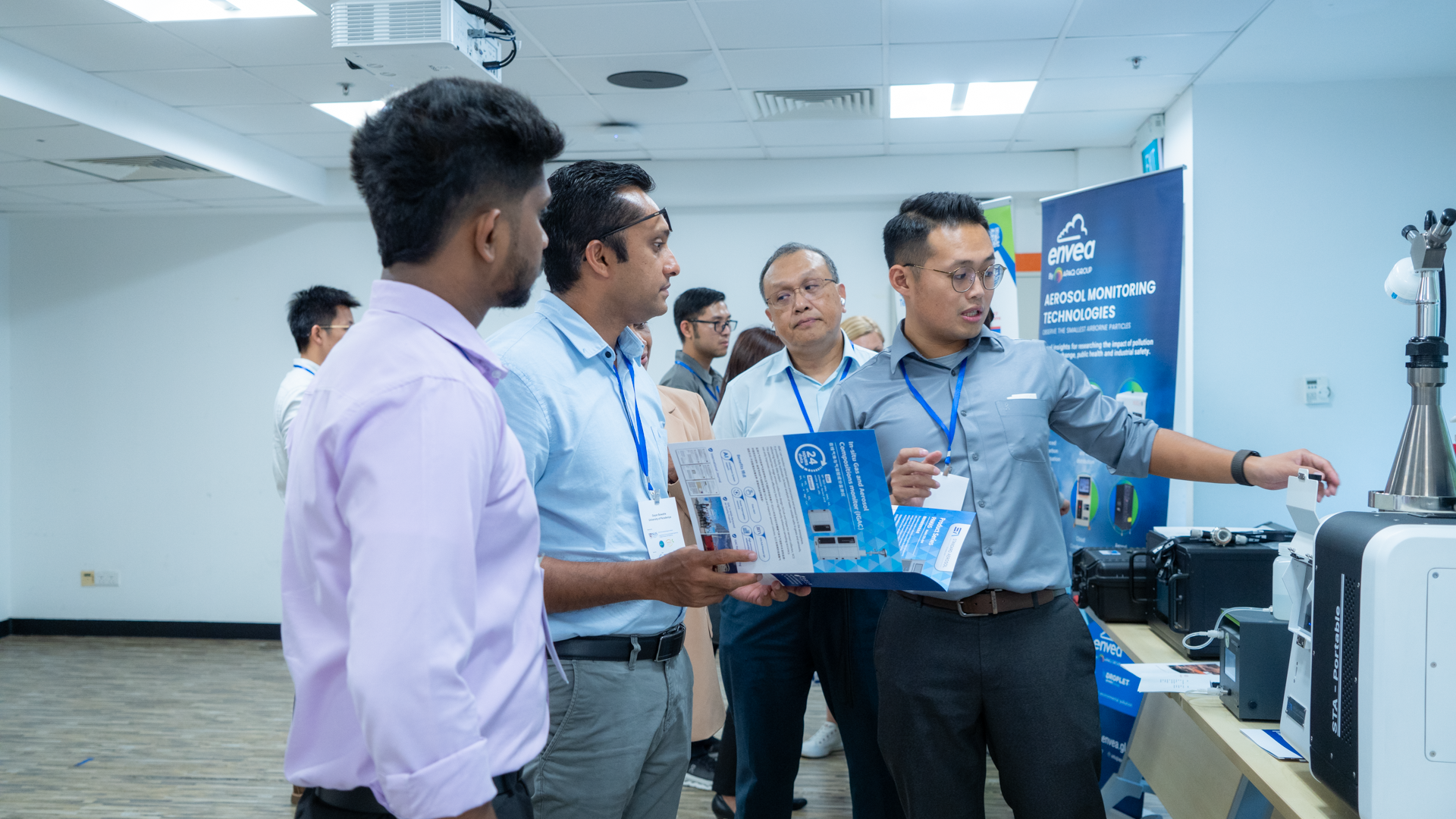

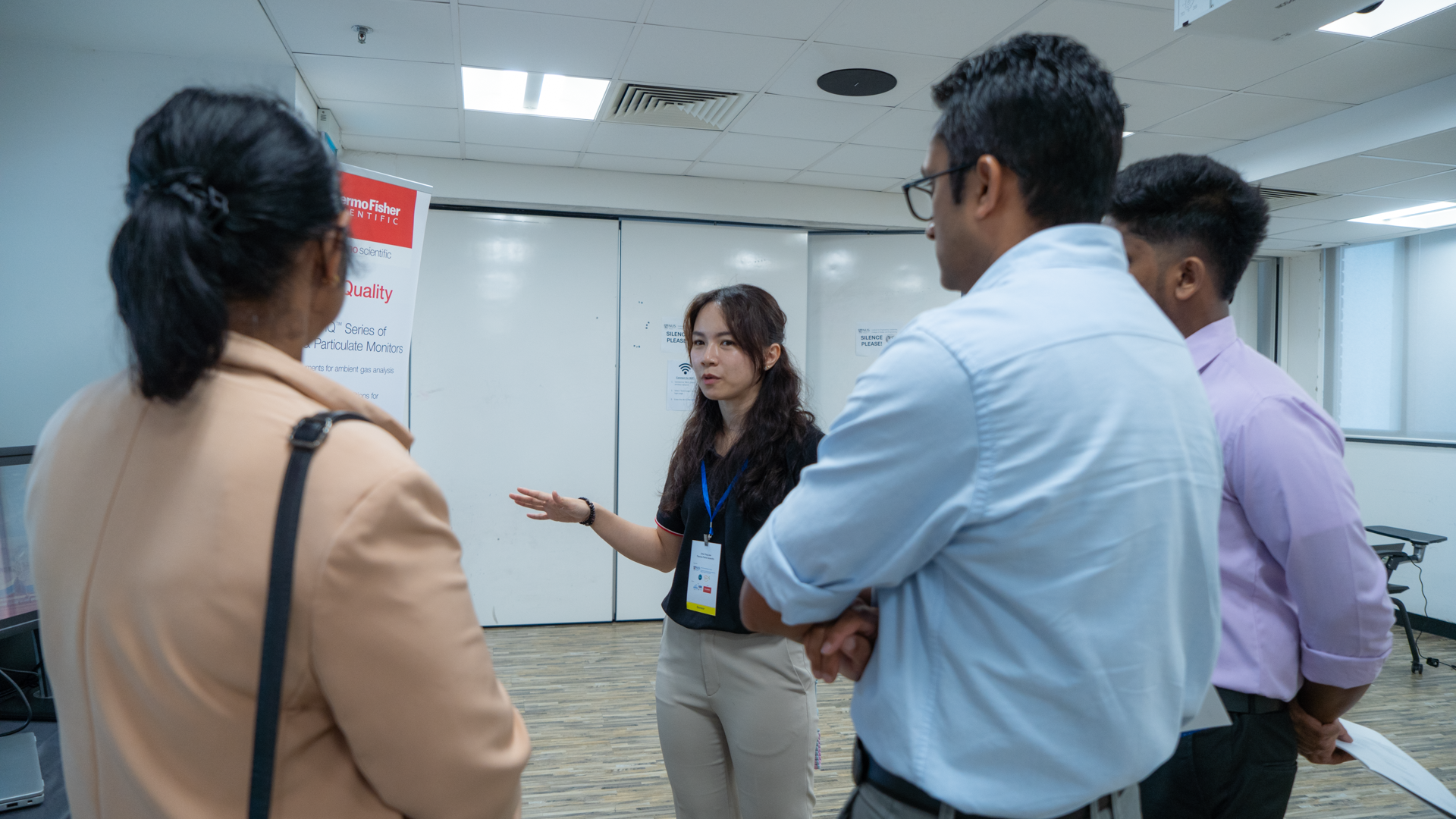

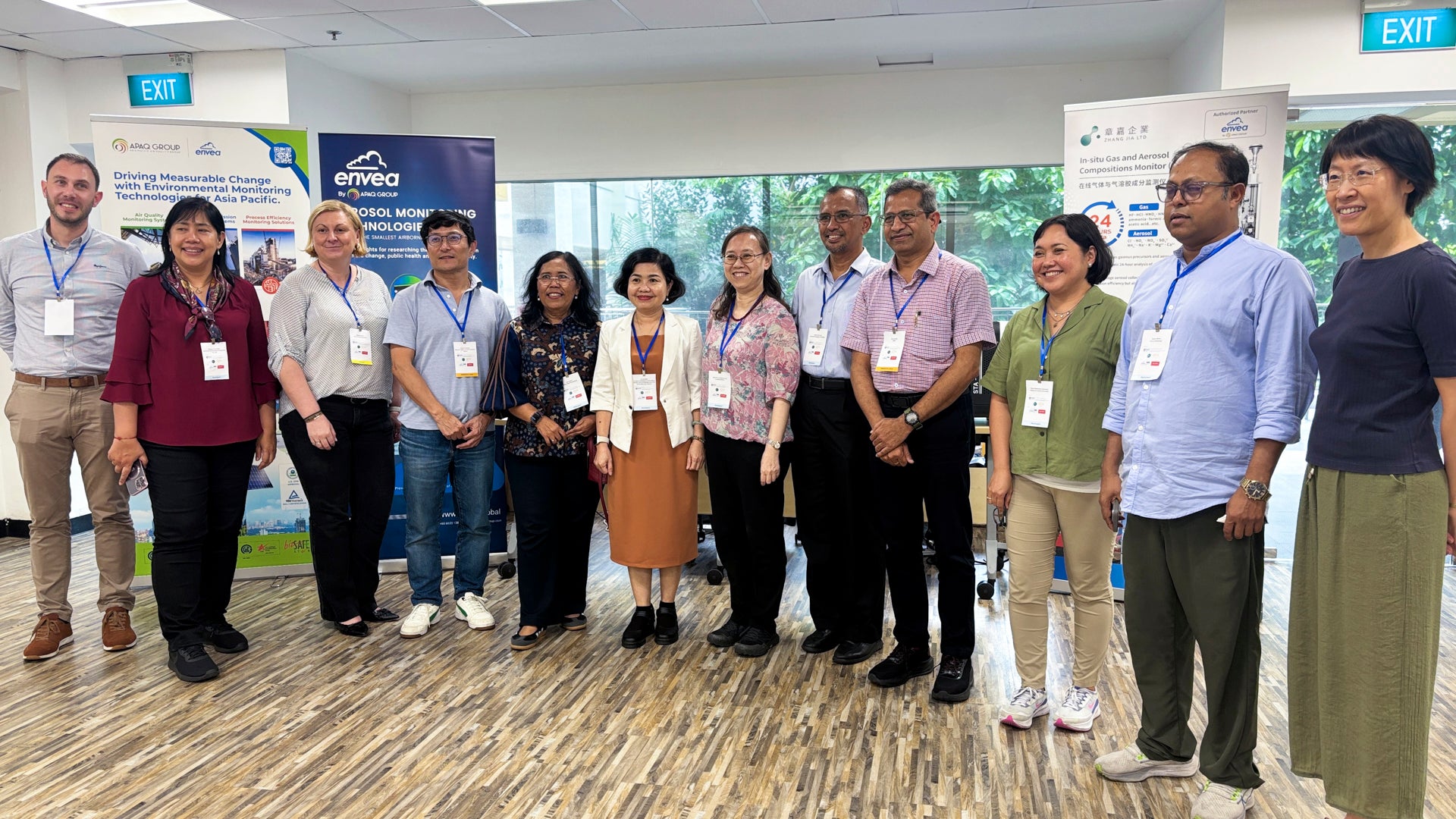
The workshop brought together leading scientists and policymakers/analysts from 12 countries across the MANGO region
(East, South, and Southeast Asia) to deepen understanding of nano-sized particles.